Mzungu Zanzibar guide
Pole Pole: How to Get Around Zanzibar
Dala dalas, the Zanzibus shuttle, drivers on WhatsApp, tuk-tuks, scooters, bikes, wooden boats and the ferry to Dar — every way around the island, and how to use it.
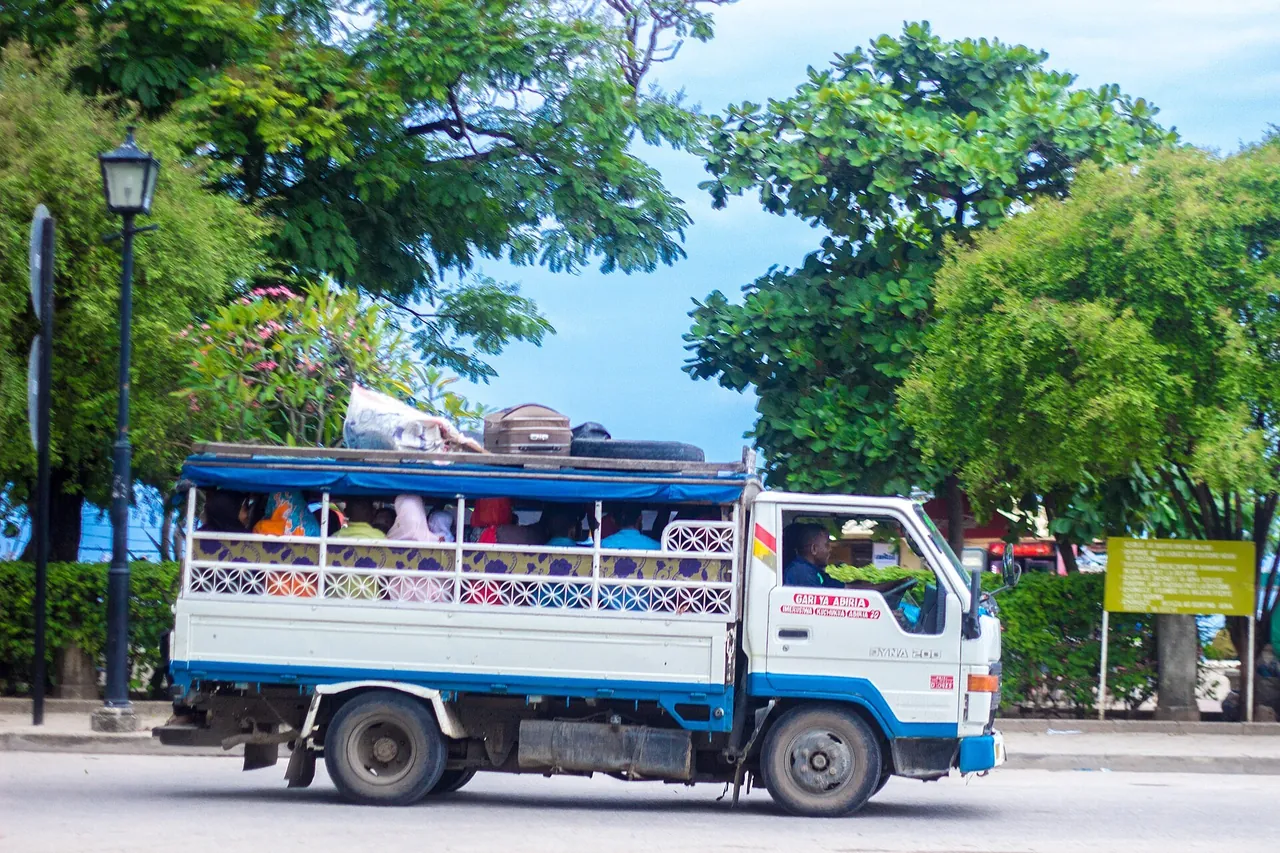
A blue-and-white truck-bodied dala dala with open sides, bench seating and luggage on the roof, in Zanzibar in January 2018. Photo: Kelvin Mwanasoko / Wikimedia Commons, CC BY-SA 4.0
Last reviewed by our editors on 24 October 2026
How do you want to travel?
Pick a kind of transport, or tap Near me to see what's closest to you.
Zanzibar is small — about an hour and a half from end to end — but getting around it is half the adventure.
There are no meters, no rail and barely any street addresses. Instead there are dala dalas that leave when they're full, a shuttle that links the airport with the beaches, drivers you book on WhatsApp, tuk-tuks, scooters, bikes, wooden boats and, at low tide, beaches you can walk from one village to the next. Off the island, fast ferries and small planes leave for the mainland, Pemba and the safari parks all day.
This guide covers every way of getting about — how each works, what it suits, how to book and pay, and what to watch out for — with the taxis and drivers in our community directory at the end.
Join Mzungu Zanzibar to recommend drivers, review them in the directory and ask locals for advice. The guide itself is free to read.
How to read this guide
- Checked practicalities
- Routes, timetables and rules were checked against operators' own sites and booking systems, government notices, the UK government's travel advice and recent reporting on the date shown on each entry. Where sources disagree, or we couldn't confirm something, the entry says so. Nothing here is a first-hand account.
- Price bands, never prices
- $ is a local fare or a cheap rental, $$ a shared shuttle or short private ride, $$$ a private cross-island trip, a car or a ferry, and $$$$ a flight. Fares change, so check before you travel.
About the photographs. They come from Wikimedia Commons and Flickr photographers, from the Zanzibar Airports Authority, and from operators' own websites, each credited beneath the picture and linked to where it came from. Pictures we couldn't tie to the exact service — a scooter that may or may not be a boda boda, say — are marked UNVERIFIED. If one is yours and you'd like it removed or credited differently, we'll gladly do it — contact Mzungu Zanzibar.
Find your spot
Groupings are suggestions to help you choose, not a ranking — the entries are listed by type: flying in and out, buses and shuttles, taxis and rides, under your own steam, and boats and ferries.
Just landed
From the plane to your bed without the haggling.
- Arriving at Zanzibar airport · Kisauni, south of Stone Town
- The Zanzibus shuttle and taxis · Stone Town, the airport, Paje & Jambiani, Nungwi & Kendwa
- Taxis and private drivers · Everywhere
On a shoestring
The cheapest ways about.
- Dala dalas · Darajani, Stone Town
- The Zanzibus shuttle and taxis · Stone Town, the airport, Paje & Jambiani, Nungwi & Kendwa
- Bajaji (tuk-tuks) · Stone Town, Nungwi & Paje
- Bicycles · Paje, Jambiani & Stone Town
- On foot · Stone Town, Nungwi–Kendwa and the east-coast beaches
With children and luggage
Room for bags, buckets and sleepy passengers.
- Taxis and private drivers · Everywhere
- The Zanzibus shuttle and taxis · Stone Town, the airport, Paje & Jambiani, Nungwi & Kendwa
- Hiring a car and driving yourself · Delivered to the airport, port or hotel
- Boats to the islands · Stone Town beach, Mbweni & the coast
Your own wheels
Stop wherever you like.
- Hiring a car and driving yourself · Delivered to the airport, port or hotel
- Scooter and motorbike hire · Paje, Jambiani & Stone Town
- Bicycles · Paje, Jambiani & Stone Town
Around Stone Town
Lanes, the waterfront and the islands offshore.
- On foot · Stone Town, Nungwi–Kendwa and the east-coast beaches
- Bajaji (tuk-tuks) · Stone Town, Nungwi & Paje
- Bolt and other ride-hailing apps · Stone Town
- Boats to the islands · Stone Town beach, Mbweni & the coast
- The Stone Town ferry terminal · Malindi, Stone Town
Off the island
To Dar, Pemba and the safari parks.
- The fast ferry to Dar es Salaam · Malindi port, Stone Town
- Flights to the mainland, the parks and Pemba · Zanzibar airport
- The ferry to Pemba · Malindi port, Stone Town
- The Stone Town ferry terminal · Malindi, Stone Town
Take extra care
Where most of the accidents happen — read these before you go.
- Boda boda (motorbike taxis) · Stone Town and the main roads
- Scooter and motorbike hire · Paje, Jambiani & Stone Town
- Hiring a car and driving yourself · Delivered to the airport, port or hotel
- Boats to the islands · Stone Town beach, Mbweni & the coast
Every way around
Sixteen ways to get about, by type: flying in and out, buses and shuttles, taxis and rides, under your own steam, and boats and ferries. Tap any photo to see them all.
- 1. Arriving at Zanzibar airport · Getting around
- 2. Flights to the mainland, the parks and Pemba · Getting around
- 3. The Zanzibus shuttle and taxis · Getting around
- 4. Dala dalas · Getting around
- 5. Taxis and private drivers · Getting around
- 6. Bolt and other ride-hailing apps · Getting around
- 7. Bajaji (tuk-tuks) · Getting around
- 8. Boda boda (motorbike taxis) · Getting around
- 9. Hiring a car and driving yourself · Getting around
- 10. Scooter and motorbike hire · Getting around
- 11. Bicycles · Getting around
- 12. On foot · Getting around
- 13. The fast ferry to Dar es Salaam · Getting around
- 14. The Stone Town ferry terminal · Getting around
- 15. The ferry to Pemba · Getting around
- 16. Boats to the islands · Getting around
1. Kisauni, south of Stone Town · West coast
Arriving at Zanzibar airport
Abeid Amani Karume International: twenty minutes from Stone Town, about an hour from the beaches.


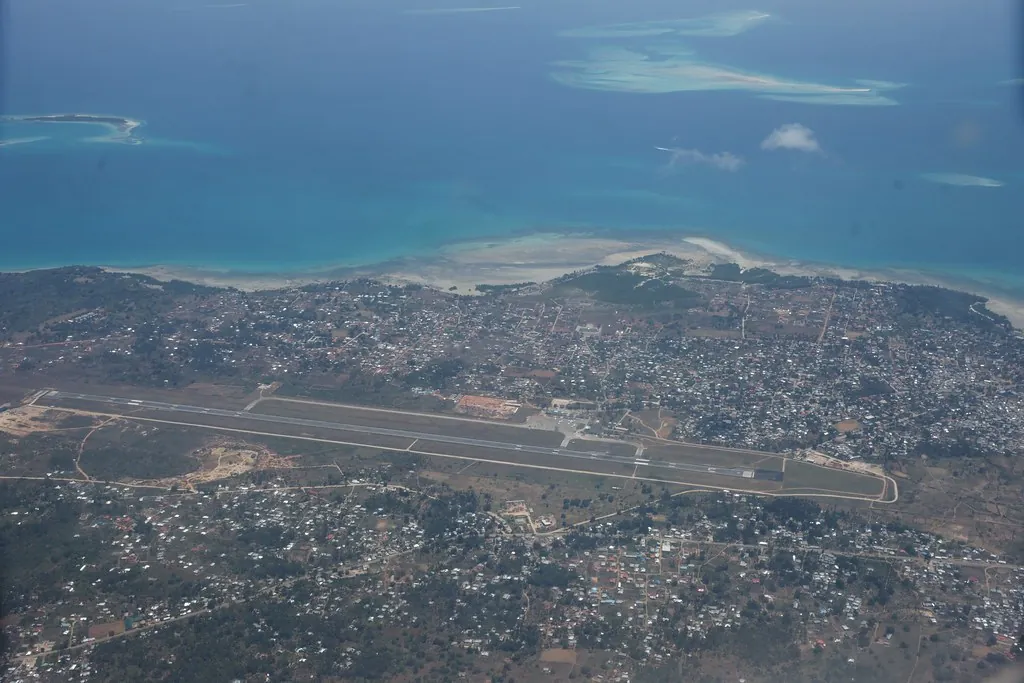
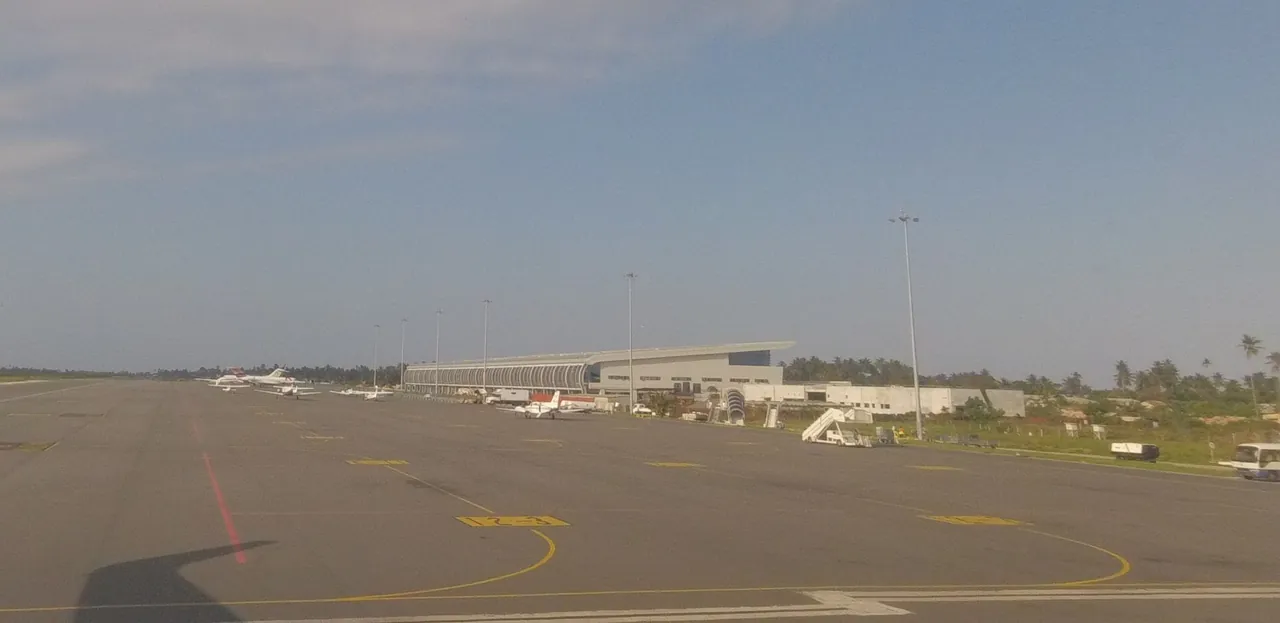
International flights use Terminal 3, the modern building opened in 2021; domestic and some regional flights use Terminal 2 next door, which is being rebuilt, with a walkway between the two due in December 2026. If you're connecting from an international flight to a small plane, expect to collect your bags, walk across and check in again.
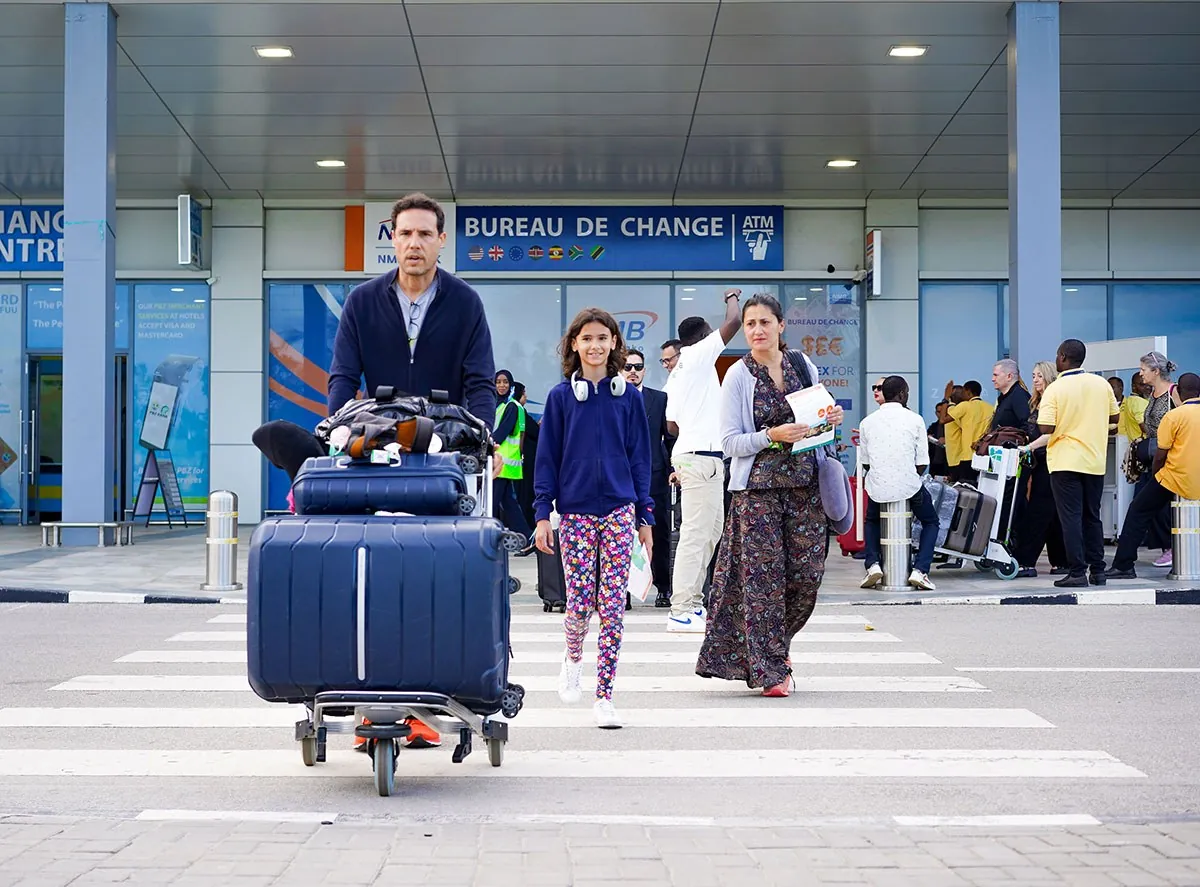
After immigration and customs you come out into the arrivals area, where hotel and transfer drivers wait with name signs and taxi drivers offer rides. There's no meter and no official fare list, so agree a price first, or arrange your transfer before you fly. Since August 2026 a new electric bus has also run between the airport and Malindi, by the port in Stone Town, paid by smart card.
Zanzibar requires every foreign visitor to have its own inbound travel insurance, bought online before you arrive. Since October 2026 mainland Tanzania has its own scheme too: you buy the one for wherever you land first, and it covers both.
Why use it
Most visitors arrive here, and the first hour sets the tone — sorting the transfer, cash and a SIM before you land makes it painless.
When
Queues at immigration can take over an hour in July–August and December–January. Arriving at night means fewer drivers and dark roads to the coast, so pre-book.
How it works
Buy the Zanzibar inbound insurance on the official site (inbound.visitzanzibar.go.tz) before you fly and keep the certificate. Arrange a hotel transfer, a driver from our directory or a Zanzibus shuttle or taxi in advance. There are ATMs and a bureau de change at the Terminal 3 exit, and SIM-card kiosks nearby — registering a SIM needs your passport.
Safety and scams
Don't go with someone who leads you to a car parked away from the main area. Agree the fare and currency before getting in. Buy insurance only from the official site — there are look-alikes. At ATMs, decline the offer to convert to your home currency.
Worth knowing
- We couldn't confirm whether the new Terminal 2 building has opened.
- Where exactly the electric bus stops at the airport, and how often it runs, wasn't published.
- Exchange rates and SIM prices at the airport are usually worse than in town.
2. Zanzibar airport · West coast
Flights to the mainland, the parks and Pemba
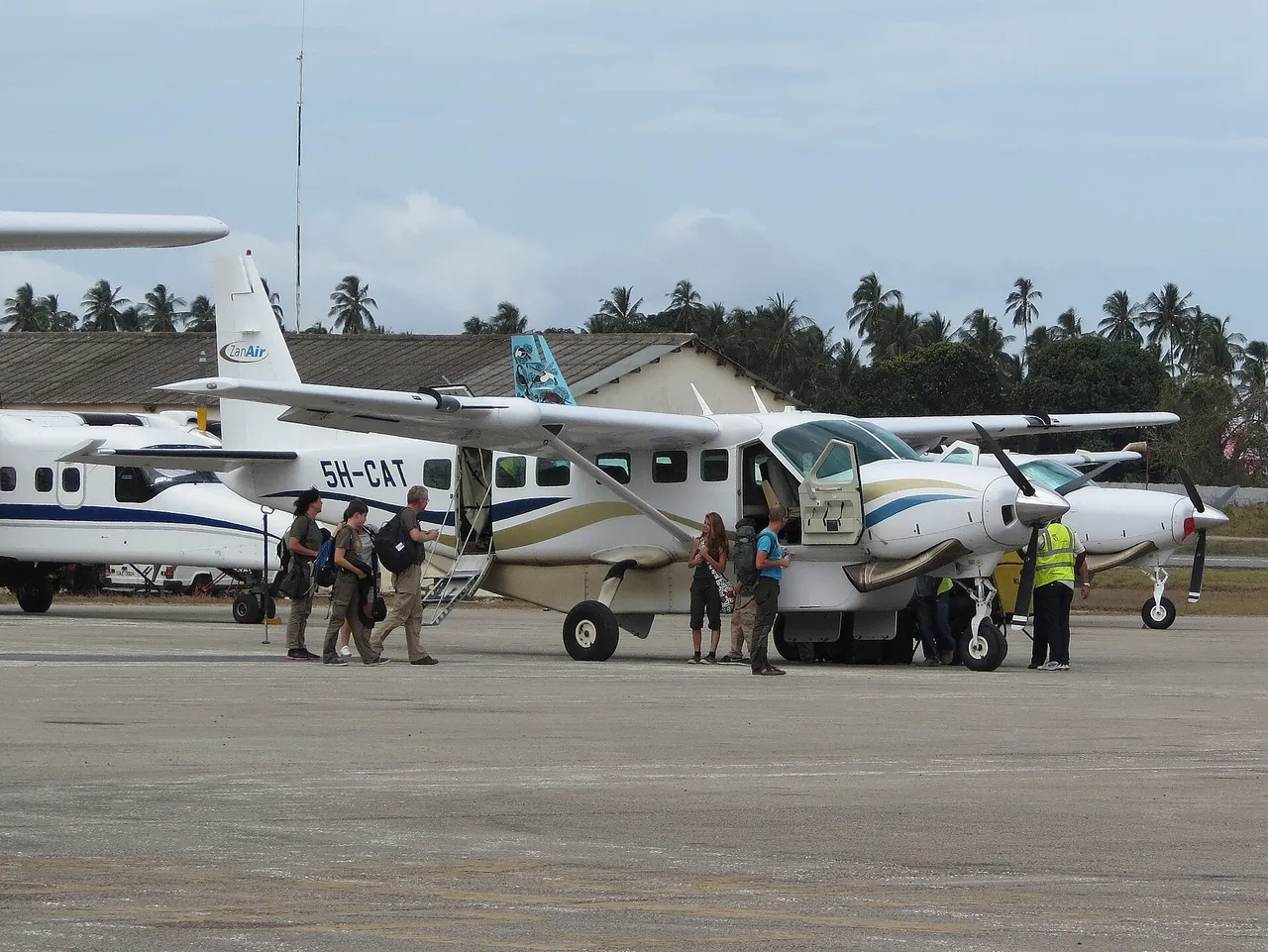
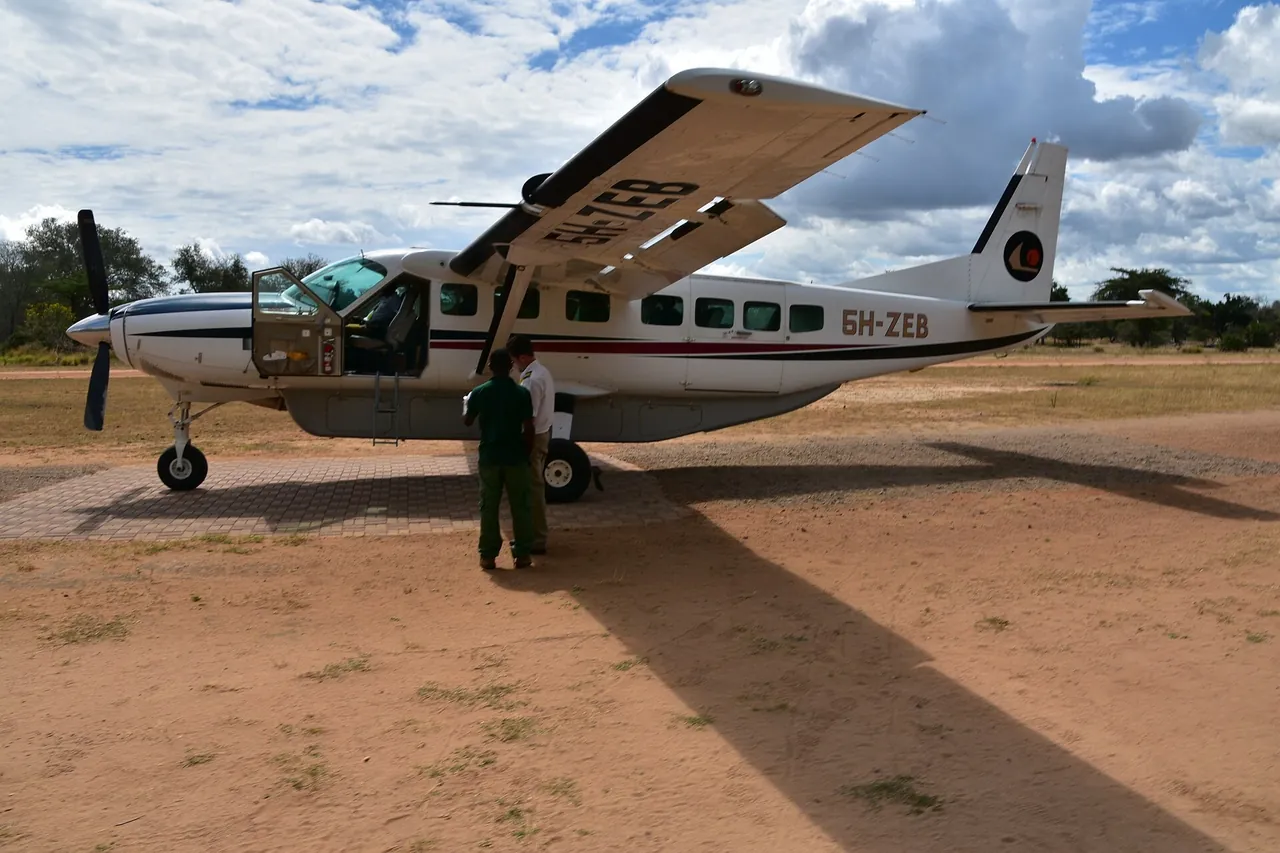
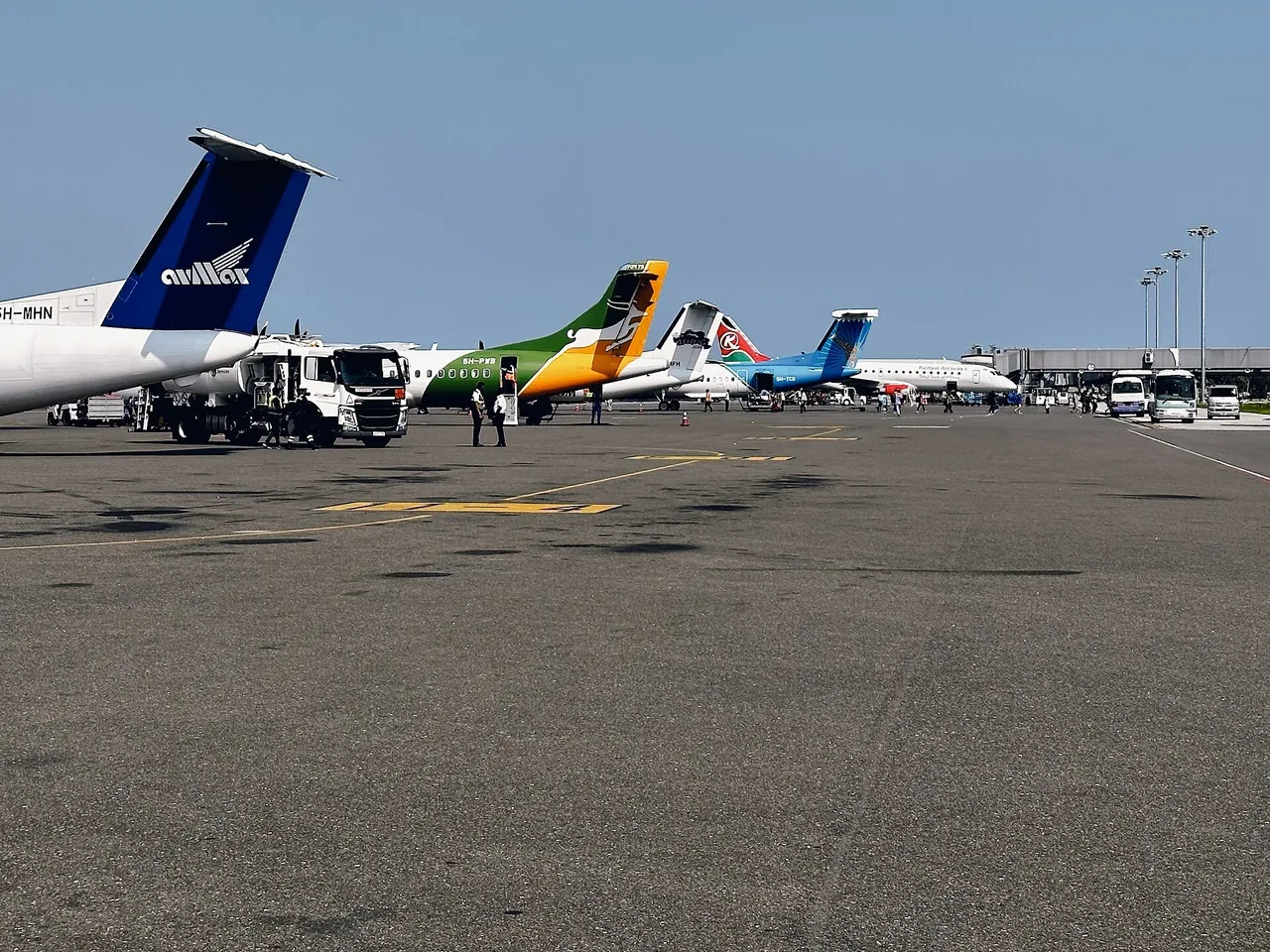
Twenty minutes to Dar, half an hour to Pemba, and straight onto a safari airstrip.


Tap any photo to see all 6.
Small airlines fly from Zanzibar all day. Coastal Aviation, Flightlink and Auric Air between them run many flights a day to Dar es Salaam, about twenty minutes away. Coastal flies daily to Pemba, as do smaller operators. Flightlink and Coastal fly to Arusha, and Flightlink to Kilimanjaro.
For a safari, Coastal flies daily via Arusha to the Serengeti's airstrips, with a direct flight in July to September; Auric flies to the Serengeti too, and both fly to Nyerere (Selous), Coastal via Dar. Nairobi is served by Air Tanzania, Kenya Airways, Flightlink, Precision Air and Safarilink, and Mombasa by Jambojet and Safarilink.
Why use it
The quickest way off the island: a safari can start the same morning you leave the beach.
When
All year, but Coastal suspends some bush routes, including Nyerere, from mid-March to the end of May in the long rains. Bush flights stop at other strips on the way, so times are approximate.
How it works
Book on the airline's own website or through your safari operator, and check which terminal your flight uses. Allow time to transfer from Terminal 3 to Terminal 2 if you're connecting.
Safety and scams
Small planes have strict luggage limits: Coastal and ZanAir allow 15 kg, and Auric and Flightlink 20 kg. Soft bags are strongly preferred and Flightlink doesn't take wheeled carry-ons. On a safari itinerary the lowest limit applies, so pack to about 15 kg in a soft bag; Coastal will store extra luggage at its Dar office.
Worth knowing
- We read Coastal's and Flightlink's current timetables; the other airlines' routes come from their route lists and flight trackers, so check before you book.
- Wikipedia lists Flightlink to Pemba, but its current timetable doesn't.
- Air Tanzania's and Precision Air's luggage rules weren't checked.
3. Stone Town, the airport, Paje & Jambiani, Nungwi & Kendwa · Island-wide
The Zanzibus shuttle and taxis
A shared shuttle between the airport, Stone Town and the main beaches, booked and paid online.

Tap any photo to see all 6.
The Zanzibus runs shared shuttles and private taxis around the island. It is part of Hostel Hoppa, which runs tourist shuttles elsewhere in Africa. The shuttles link three hubs — Stone Town and the airport, Paje and Jambiani, and Nungwi and Kendwa — in both directions, with stops at the Matemwe and Kiwengwa junctions on the way north. Its home page also lists Bwejuu.
Each route runs once a day. The published timetable has shuttles leaving Stone Town and the airport for the beaches at 10:00, leaving the beaches for Stone Town and the airport at 16:00, and running beach to beach around midday (the timetable says 12:30; the live booking calendar showed 12:00). The ride takes about an hour and a quarter to an hour and a half between Stone Town and either coast, and nearer two hours between Paje and Nungwi.
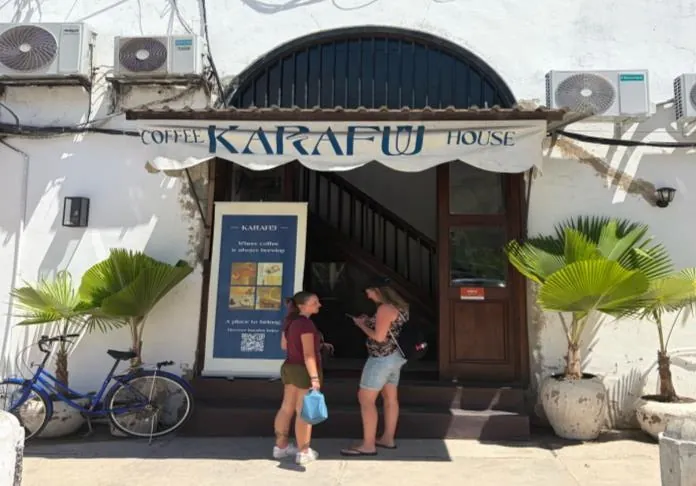
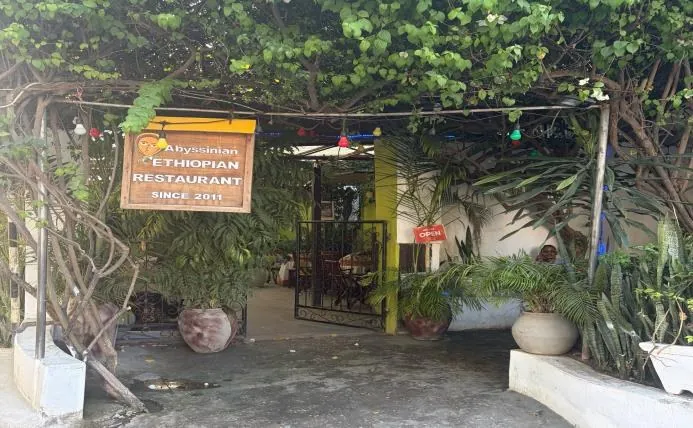
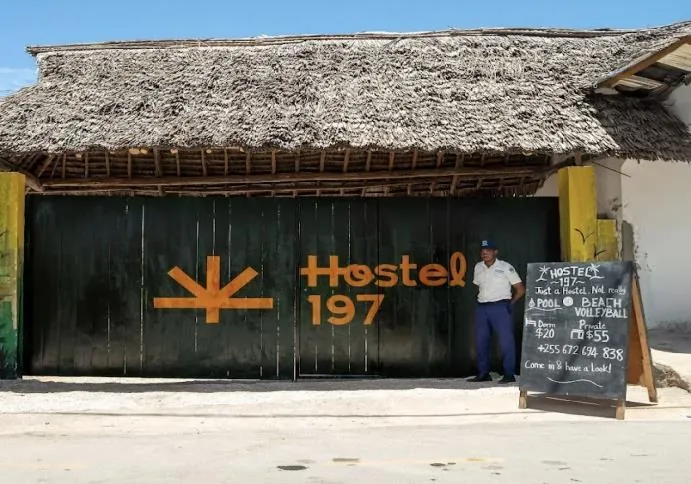
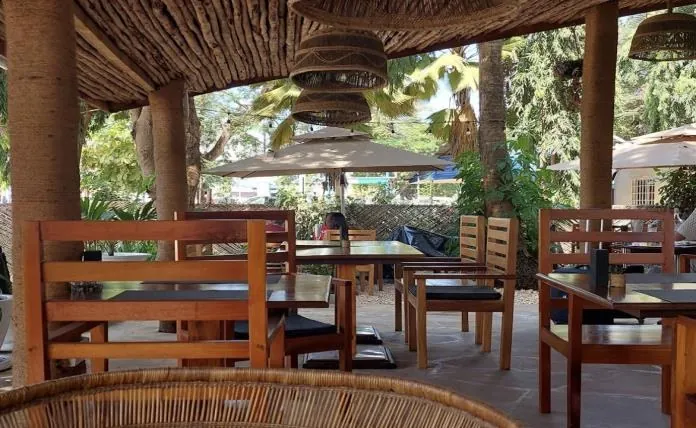
You meet the shuttle at named spots rather than at your hotel: Safari Café at the airport; Mercury's, Abyssinian Maritim or Karafuu Coffee House in Stone Town; cafés and lodges along the road in Paje and Jambiani; and places such as Hostel 197, Hanoi House, Passion & Thyme and Organzibar in Nungwi and Kendwa. Its site publishes a PDF with a photo of every stop. The private taxis go anywhere on the island at any time, and the driver meets you with a sign at arrivals.
Why use it
The simplest way to get between the airport, Stone Town and the beaches without haggling or paying for a whole car — the fare is fixed and paid before you travel.
When
Plan around the timetable: the morning shuttle suits a flight landing before about 09:00, and the 16:00 shuttle from the beaches is tight for an evening flight. Book at least a day ahead; same-day seats didn't show as available when we checked. Taxis need at least two hours' notice, ideally a day.
How it works
Book online at thezanzibus.com and pay by card (it uses Stripe or PayPal); changes and questions go by WhatsApp. Private taxis are booked online too but paid in cash — US dollars or shillings — to the driver. Each shuttle seat includes one large and one small bag; ask on WhatsApp before bringing more.
Safety and scams
Confirm your pickup by WhatsApp the day before, especially for an airport collection — the reviews are mostly good, but at least one recent one describes a driver who never came. Keep the operator's number and a back-up plan for a tight flight connection.
Worth knowing
- Its own pages disagree in places: one says shuttles collect you from your accommodation, but the timetable and stop maps use fixed meeting points; its day-trip page suggests a morning bus into Stone Town, but the timetable only runs that way at 16:00. Check with the operator before you plan around either.
- Cancellation terms are strict: a partial refund more than a day ahead, nothing in the last 24 hours, and one free change of date.
- There's a night surcharge on taxis that start before 08:00 or after 20:00.
- Its claim to be the island's only shuttle service is its own.
4. Darajani, Stone Town · Island-wide
Dala dalas
The island's own buses: converted trucks and minibuses that leave when they're full.
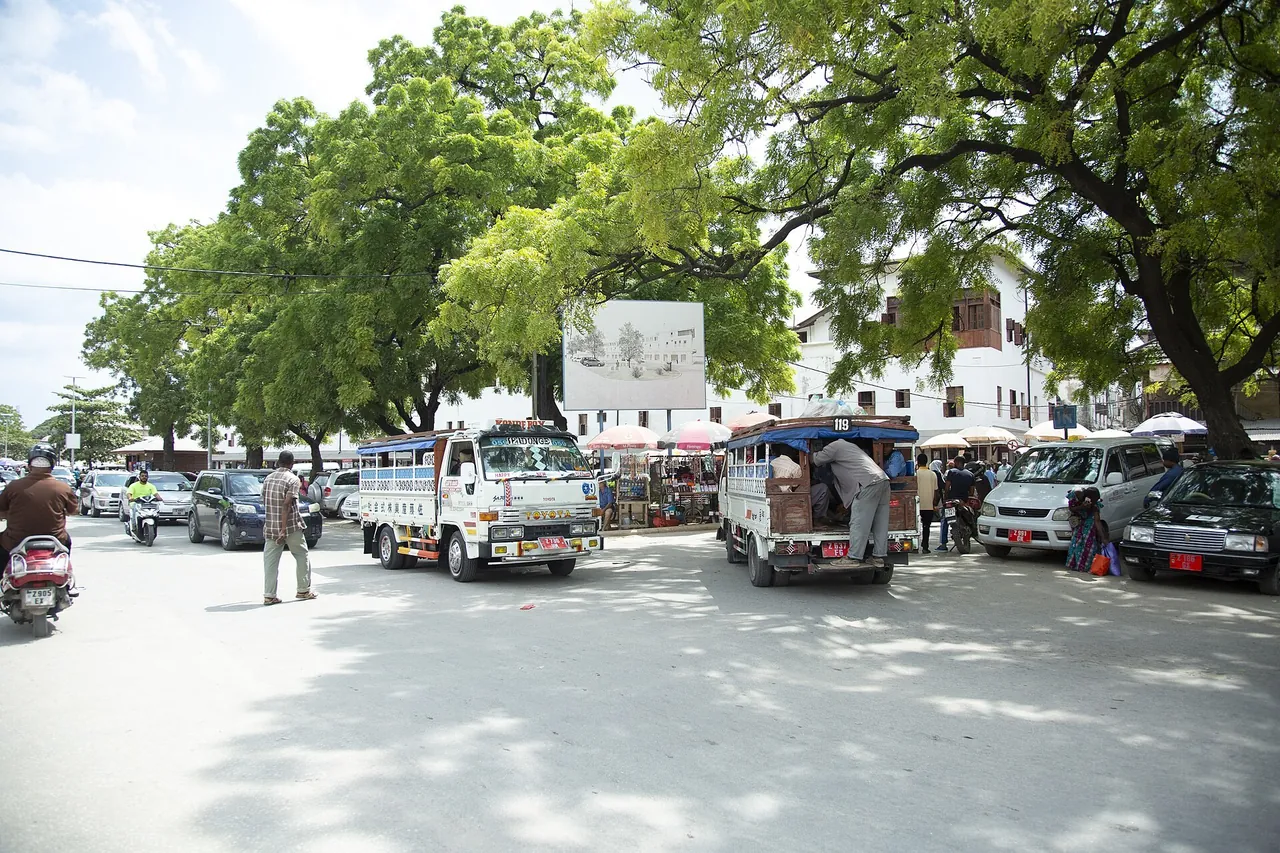

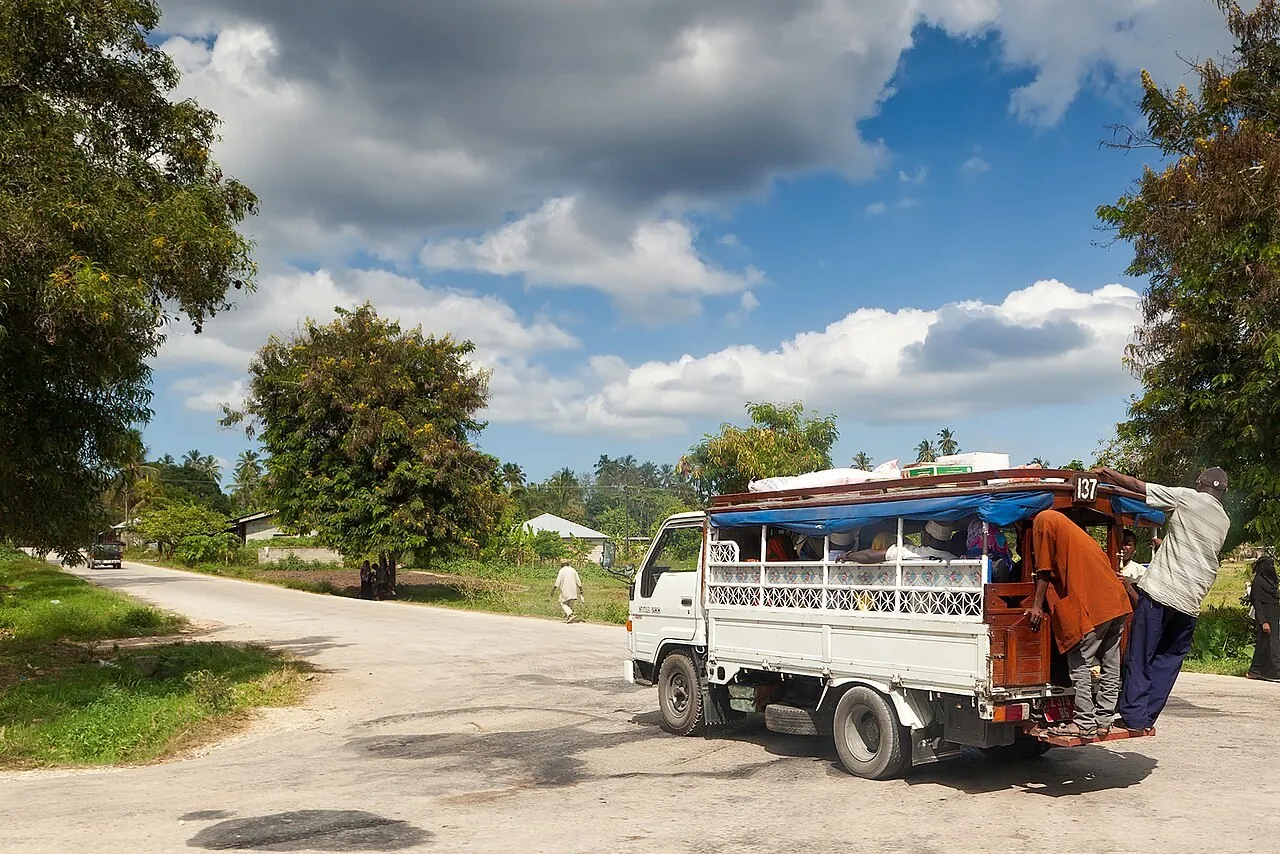

Tap any photo to see all 6.
Dala dalas are privately owned minibuses and light trucks fitted with benches, and for most Zanzibaris they are how you get anywhere. There's no timetable: they leave when full and stop wherever someone waves or wants to get off. The main terminal is at Darajani, on Creek Road beside the market in Stone Town; some guides say east-coast routes leave from Mwanakwerekwe instead, a few kilometres east, so ask.
Routes are known by number, shown on the front, and the numbers travel guides give are 116 for Nungwi (and the Kendwa junction), 117 Kiwengwa, 118 Matemwe, 214 Uroa, 309 Jambiani, 324 Bwejuu via Paje, and 326 Kizimkazi. These come from guides rather than an official list, so check the sign and ask the conductor. The trip from Stone Town to Nungwi or Paje takes about an hour and a half.
The government raised dala dala fares from August 2026 and ordered every vehicle to display its fare chart. From the same month, new electric buses replaced dala dalas between Stone Town and the airport, and between Stone Town and Chukwani.
Why use it
The cheapest way across the island by far, and the most local — you'll share a bench with schoolchildren, market traders and their shopping.
When
Daytime. Guides say most routes thin out by about eight in the evening (the Nungwi route runs later), and services are scarce after sunset during Ramadan. Avoid the commuter rush, roughly 07:00–09:00 and 17:00–19:00, if you're carrying bags.
How it works
Stand by the road and wave one down, or find your route's line at Darajani. Pay the conductor — he rides on the back step — in cash once you're moving, and keep small notes. To get off, tell him or tap the roof. Bags go on your lap, up front or on the roof, sometimes for an extra fare.
Safety and scams
At Darajani, ignore helpful strangers who insist yours is a "private bus" with a higher fare; pay only the conductor, and only once the vehicle is moving. Keep your phone and wallet on you — it gets crowded.
Worth knowing
- No room for big suitcases; this is for day bags and light travel.
- Driving can be fast and the trucks are open-sided — there are roll-down blinds for the rain.
- Route numbers and terminals come from travel guides, not an official map, and can change.
- The big passenger trucks were long nicknamed "chai maharage" (tea and beans); officially they're now gari za shamba, country vehicles.
5. Everywhere · Island-wide
Taxis and private drivers
No meters: agree the fare first, or better, find a driver you trust and keep his number.
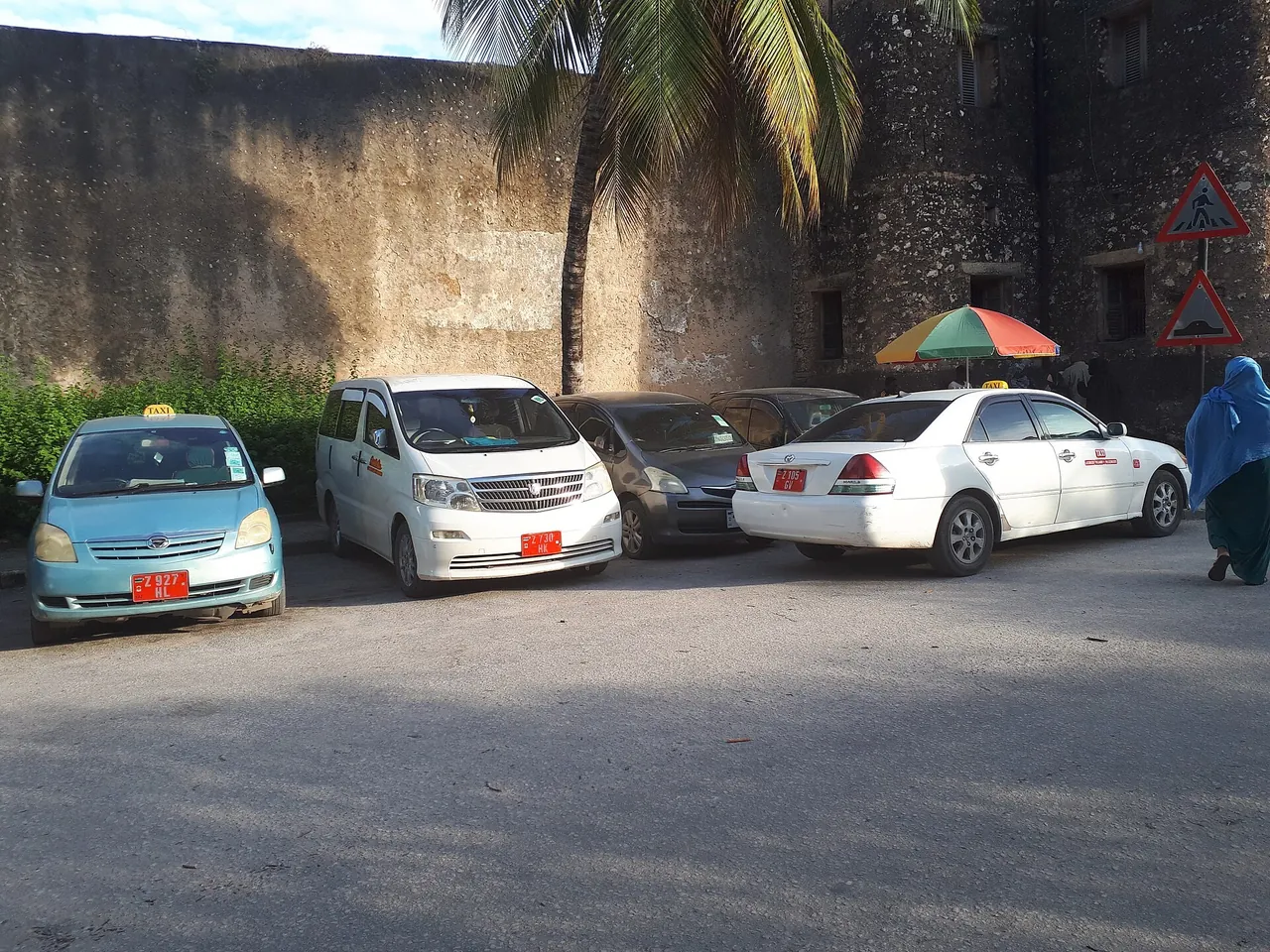
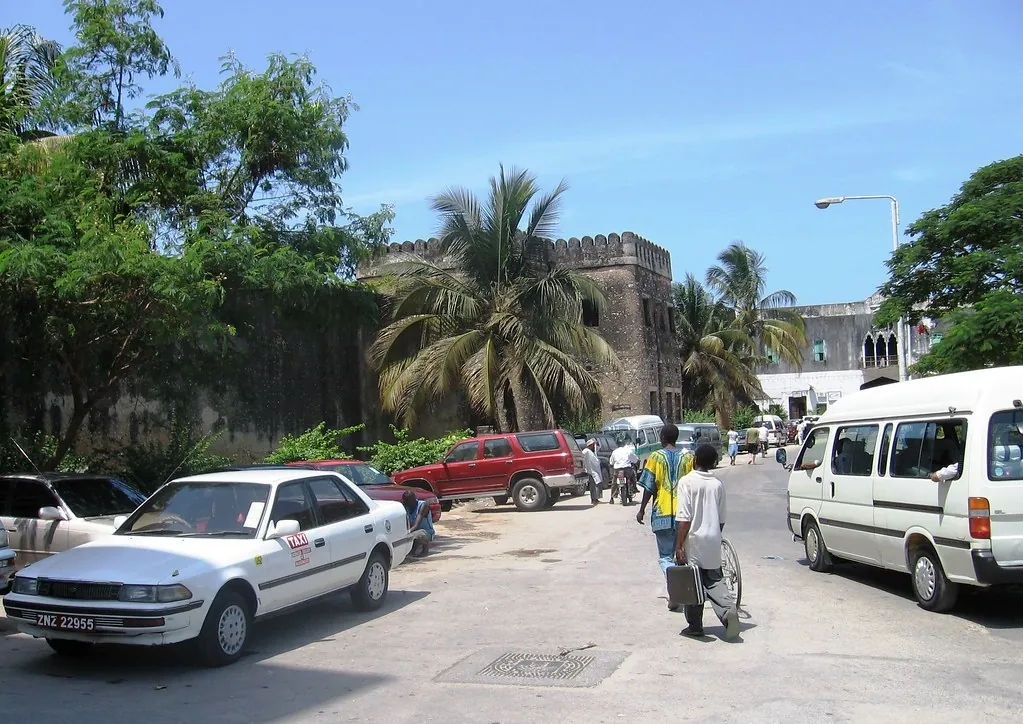
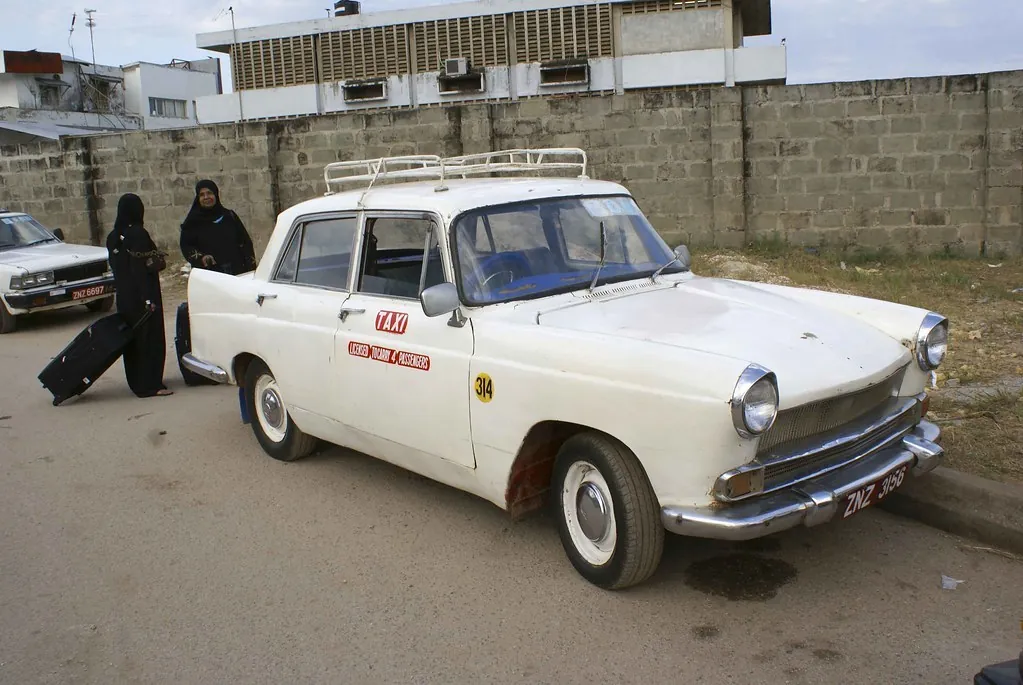
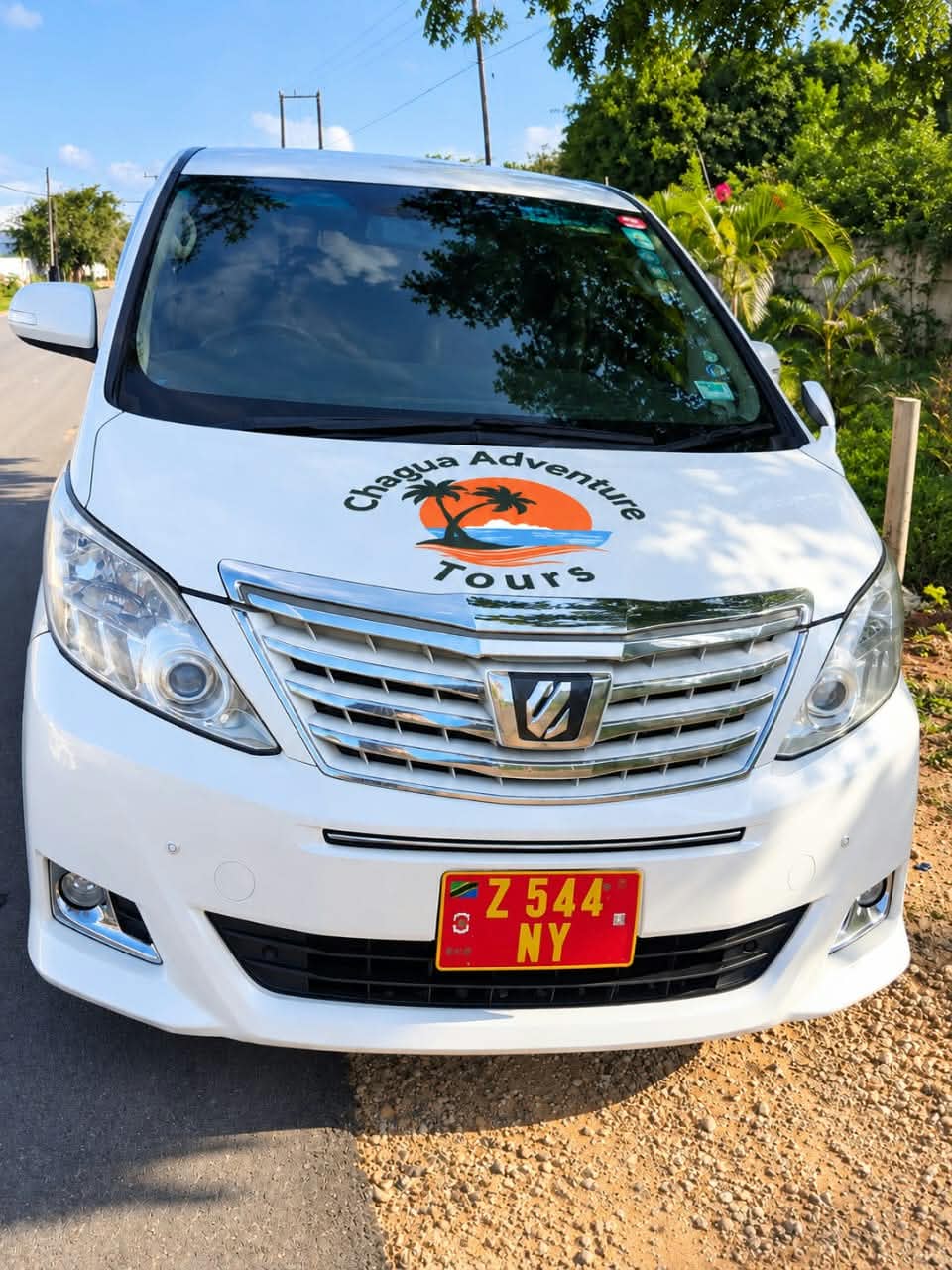
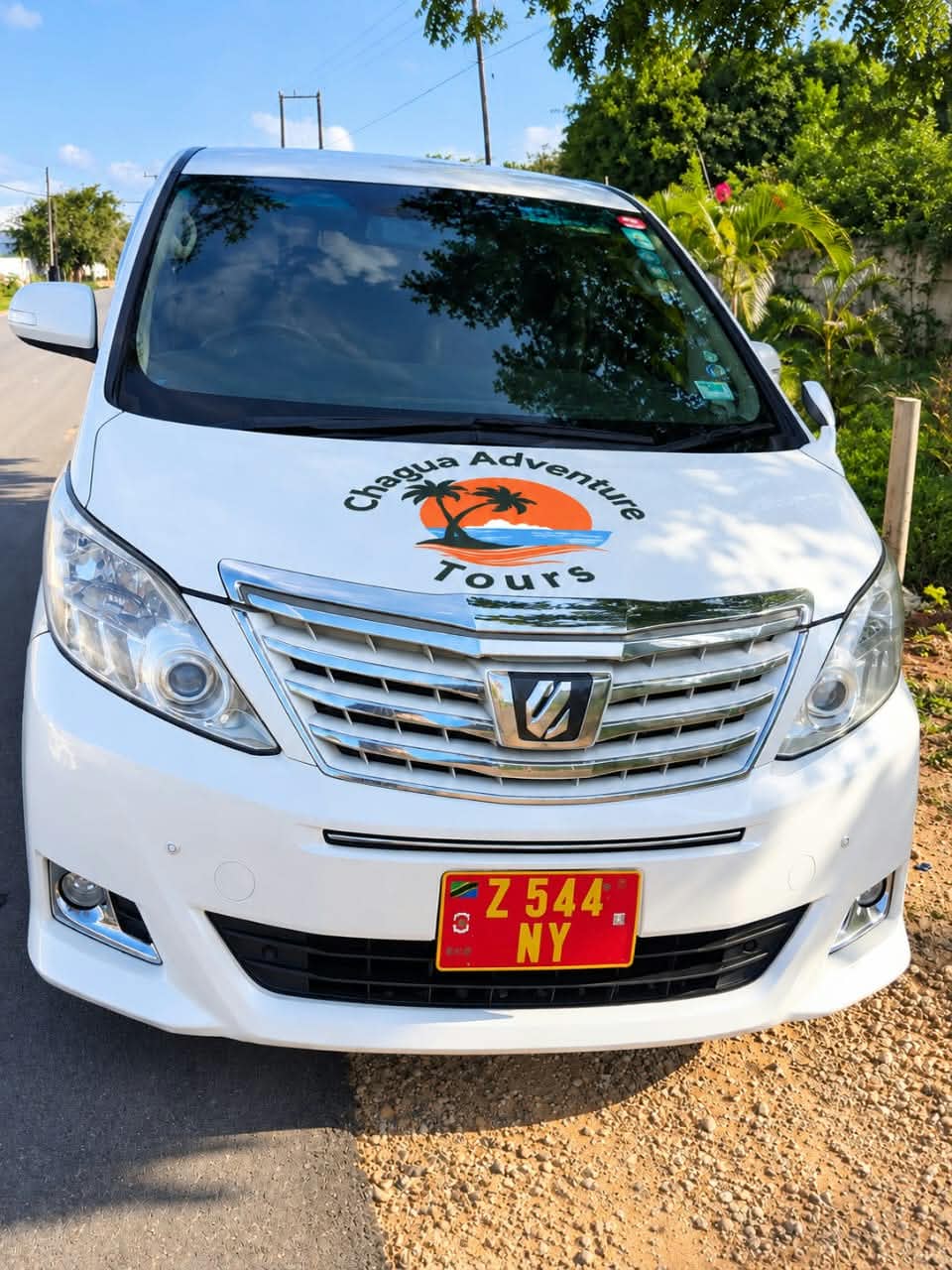
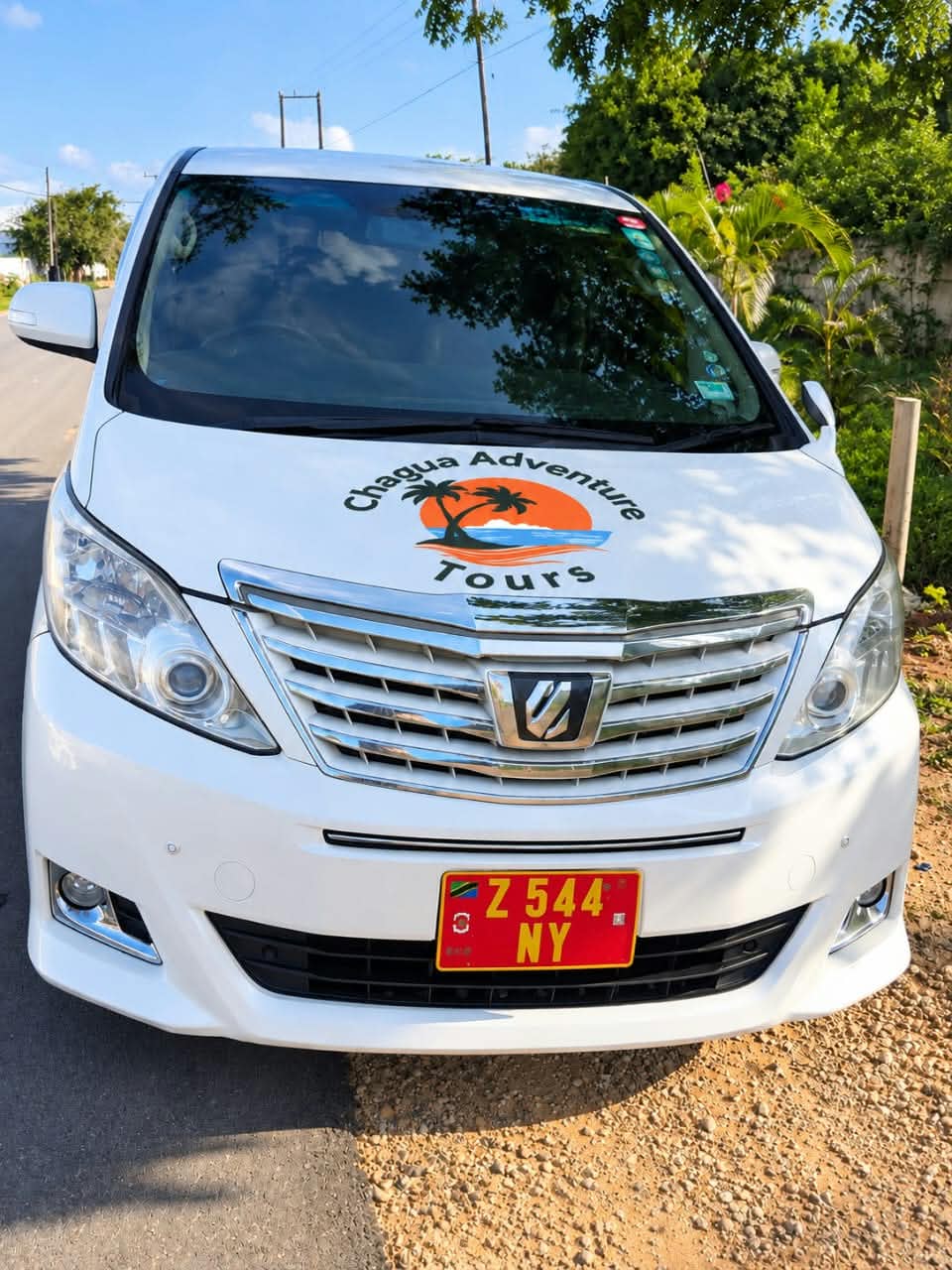
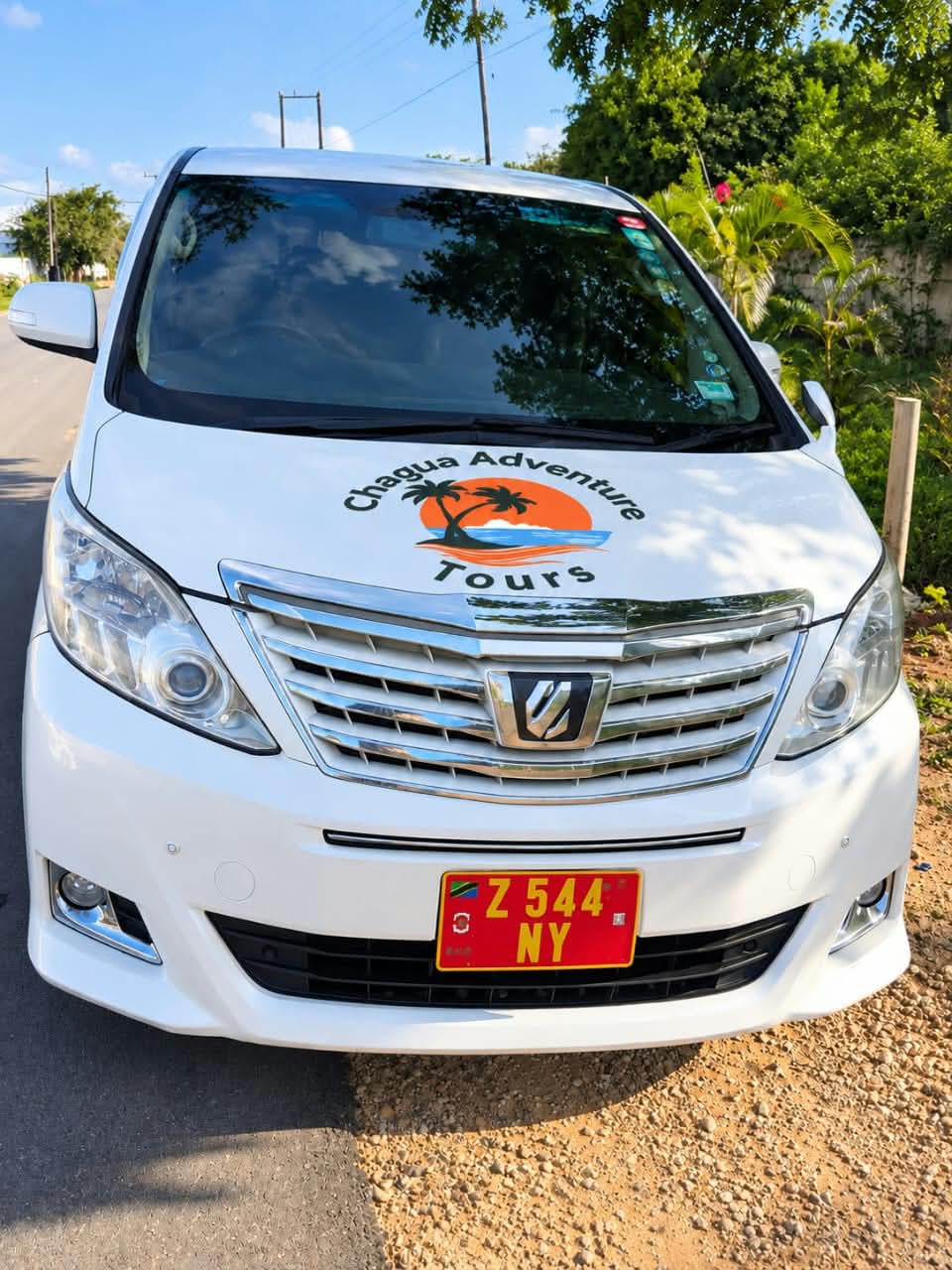
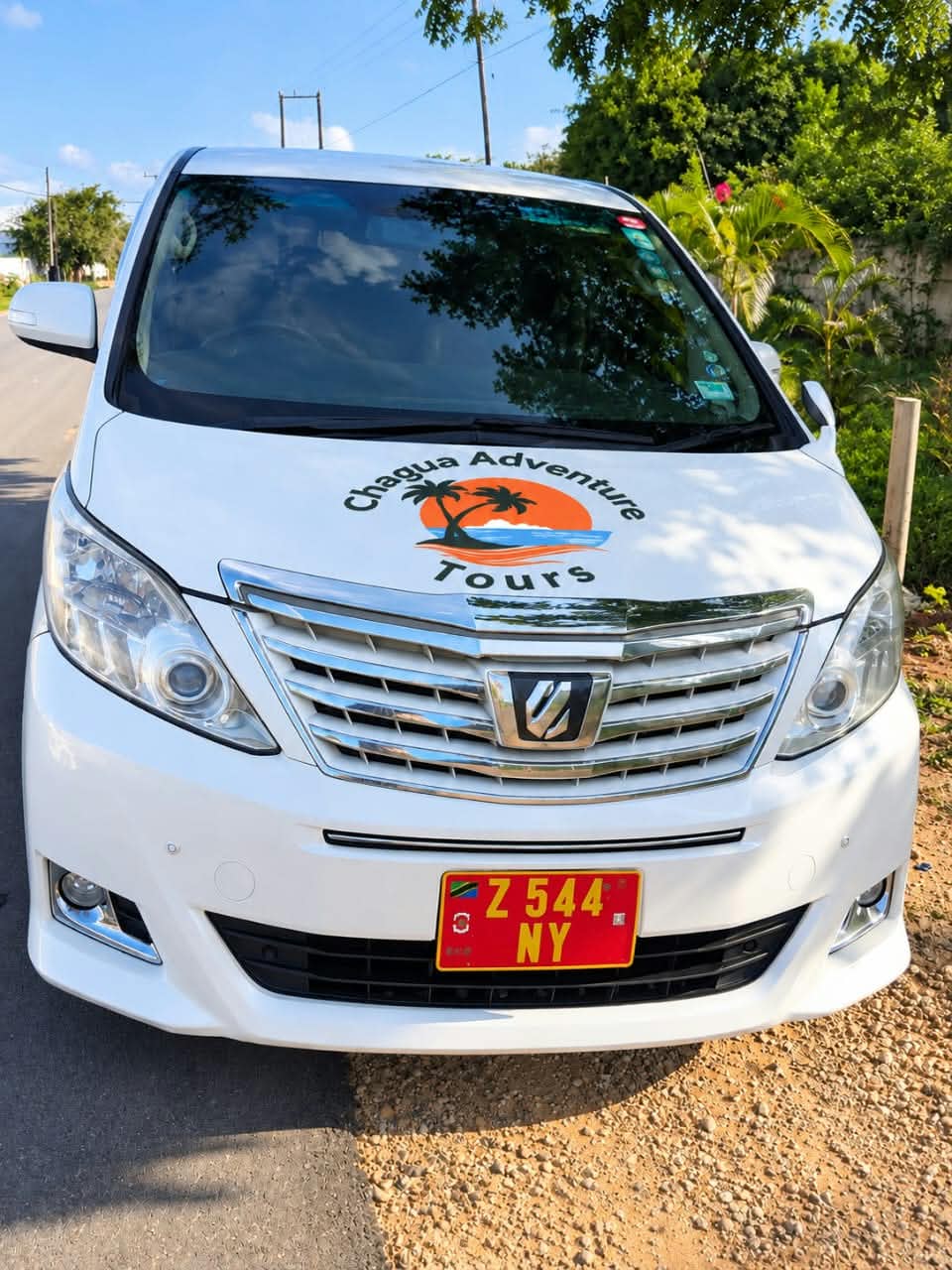
Taxis on Zanzibar have no meters. You agree the price, and the currency, before you get in, and pay in cash at the end. They wait at the airport, outside the ferry terminal and along the Old Fort in Stone Town, and hotels everywhere will call one for you. Taxis and other licensed passenger vehicles generally carry red number plates; a car with a white private plate offering you a ride isn't a licensed taxi.
Most visitors end up with a private driver: someone recommended by their hotel, a friend or the community, who is booked on WhatsApp and does the airport run, a day out to Jozani or Stone Town, and the late dinner back. Hotel-arranged drivers usually cost more than one flagged in the street, but you know who you're getting. The drivers listed in our community directory are at the bottom of this guide, with members' reviews.
Why use it
Door to door at any hour, with room for luggage, children and surfboards — and the only sensible way back from dinner after dark.
When
Any time. After dark, use a driver your hotel or the community knows rather than the first car you find, and book late-night and early-morning airport runs the day before.
How it works
Ask your hotel, or message a driver from our directory on WhatsApp with where, when and how many people; most reply quickly and quote a price. For a day out, agree the stops and the waiting time with the price. Pay cash at the end — dollars or shillings — and tip if you're happy, at your discretion.
Safety and scams
Agree whether the price is per car or per person, and in which currency, before you set off. Walk-up quotes at the airport and the port are often far higher than pre-booked ones. There are no child seats; bring your own if you need one.
Worth knowing
- There's no official fare list, rank map or day rate — prices are whatever you agree.
- The red-plate rule is widely repeated but we couldn't find it in a current government source.
- Drivers' licences and insurance can't be checked by visitors; a recommendation is the best protection.
6. Stone Town · West coast
Bolt and other ride-hailing apps
Bolt works in and around Stone Town; at the beaches, don't count on it. Uber has left Tanzania.
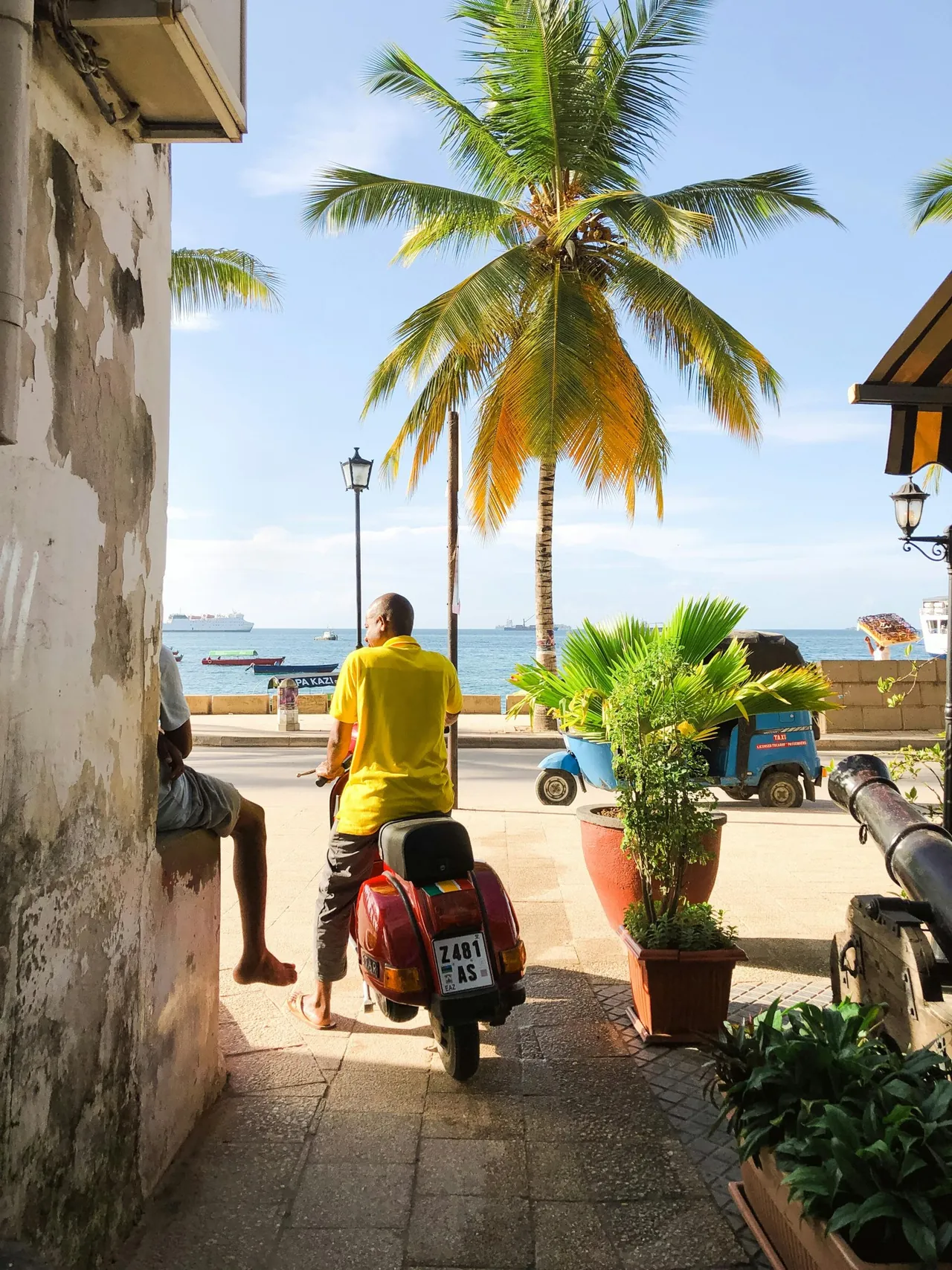
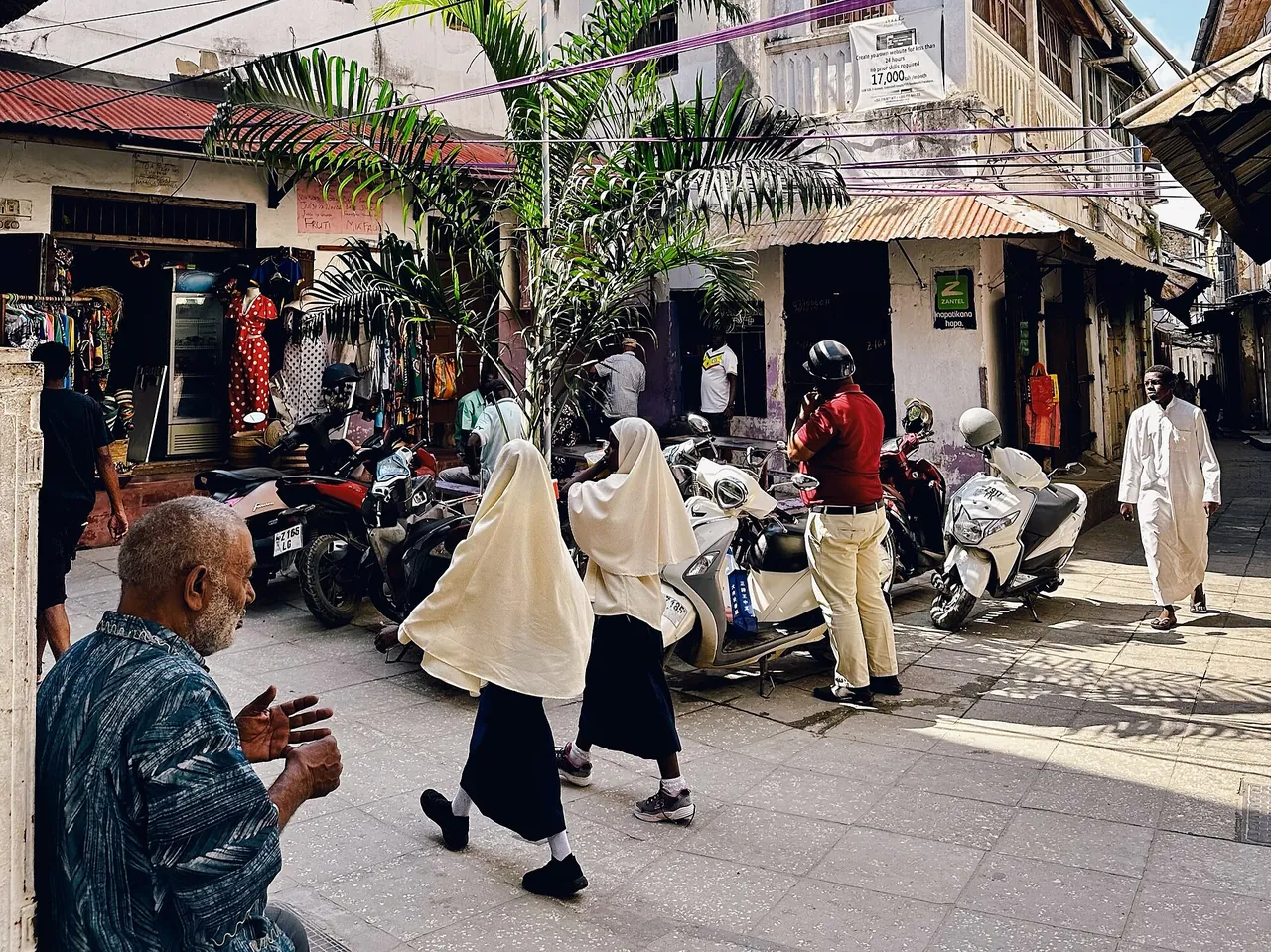
Bolt is the only ride-hailing app licensed on Zanzibar. The island's transport authority approved it in August 2025, and it has a Zanzibar city page. In and around Stone Town, reports from 2026 describe waits of a few minutes to a quarter of an hour; at Nungwi, Kendwa, Paje and Jambiani there are often no drivers at all, and late at night it thins out everywhere.
What you get varies: Bolt's own page lists cars, while recent reports say the app mostly offers bajaji and motorbikes on the island. Uber stopped operating in Tanzania, Zanzibar included, at the end of January 2026, and we found no evidence that inDrive or any other app works here.
Why use it
An upfront price with no haggling for short trips around Stone Town, the port and the airport road.
When
Daytime in and around Stone Town. Don't rely on it at the beaches, late at night or for a flight — reports disagree on whether drivers wait at the airport.
How it works
Install Bolt and set up payment before you arrive; you'll need mobile data. Check the plate in the app matches the vehicle before getting in. Pay in the app where you can.
Safety and scams
If a driver says Bolt hasn't paid them and asks for cash on top, decline — the price in the app is the price. A motorbike booked through the app carries the same risks as any boda boda; see that entry.
Worth knowing
- Coverage outside Stone Town is patchy at best.
- Uber is not available in Tanzania.
- Which vehicle types appear in the app on Zanzibar isn't consistent between Bolt's page and travellers' reports.
7. Stone Town, Nungwi & Paje · Island-wide
Bajaji (tuk-tuks)
Three wheels for short hops: into town, to dinner, along the beach road.
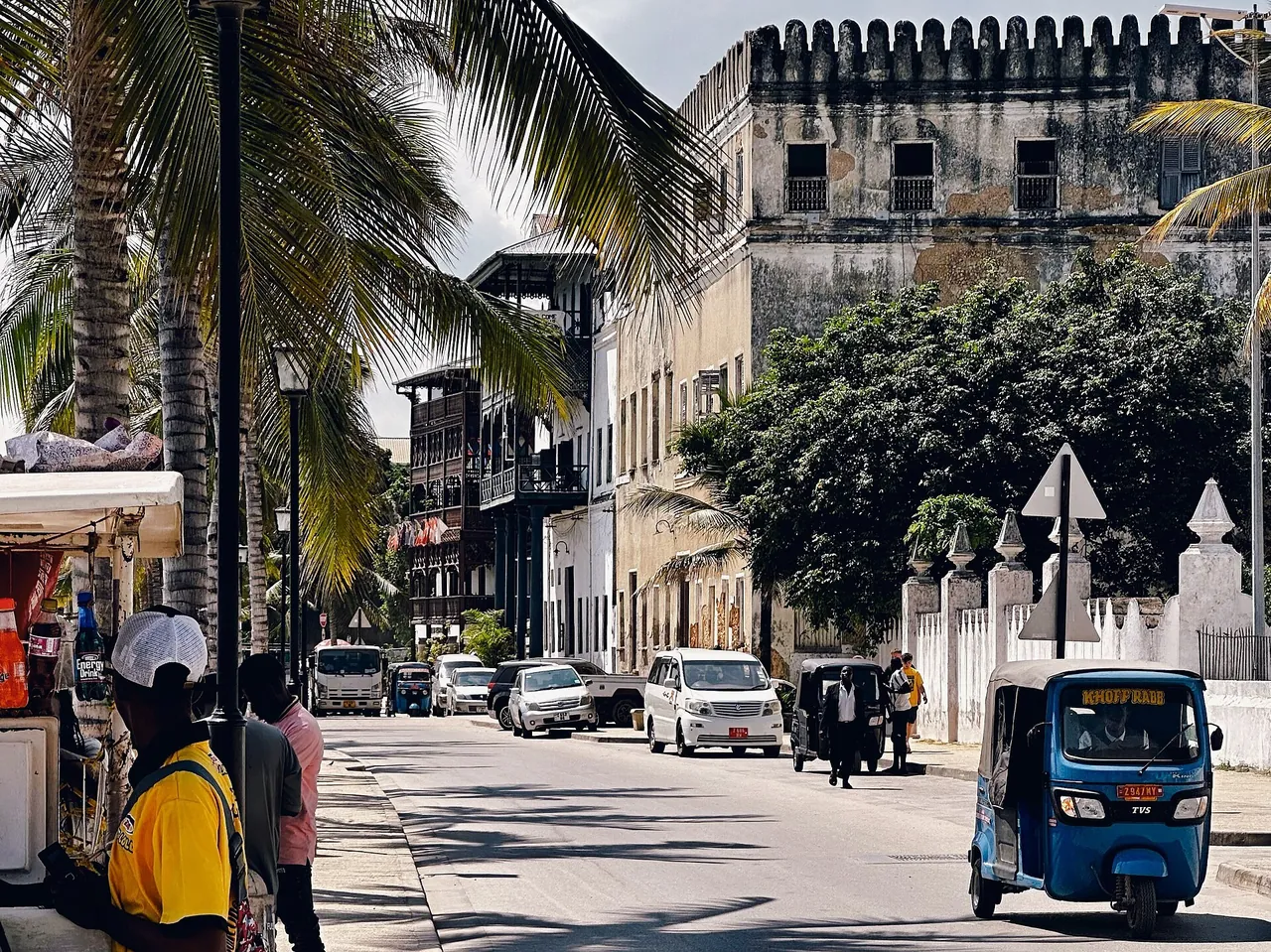
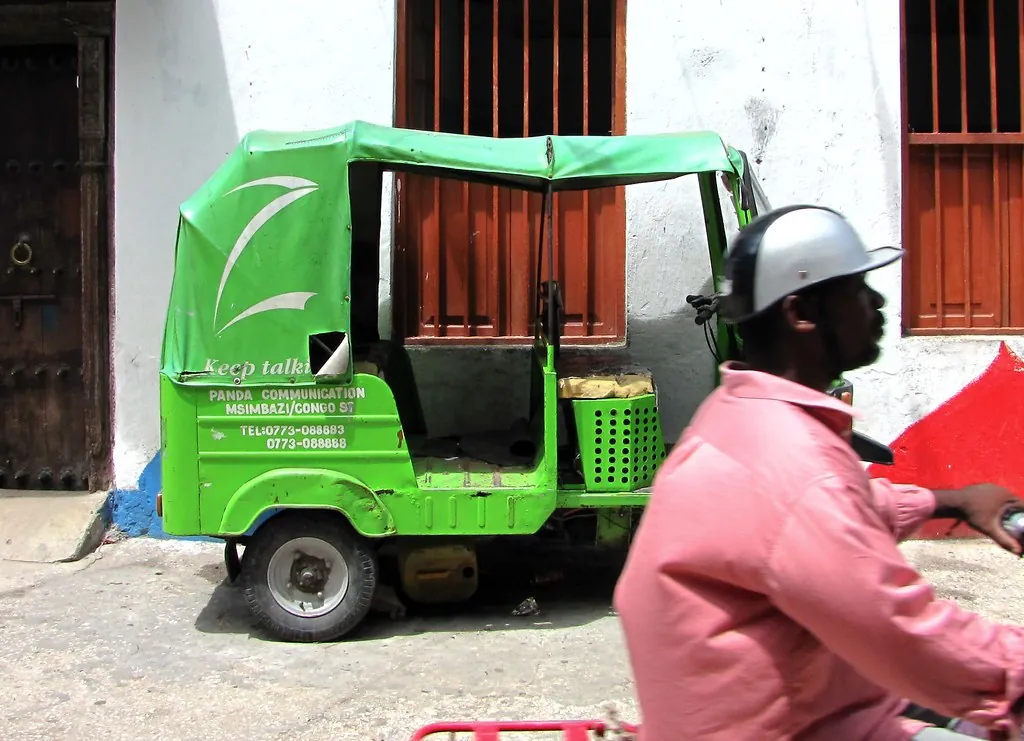
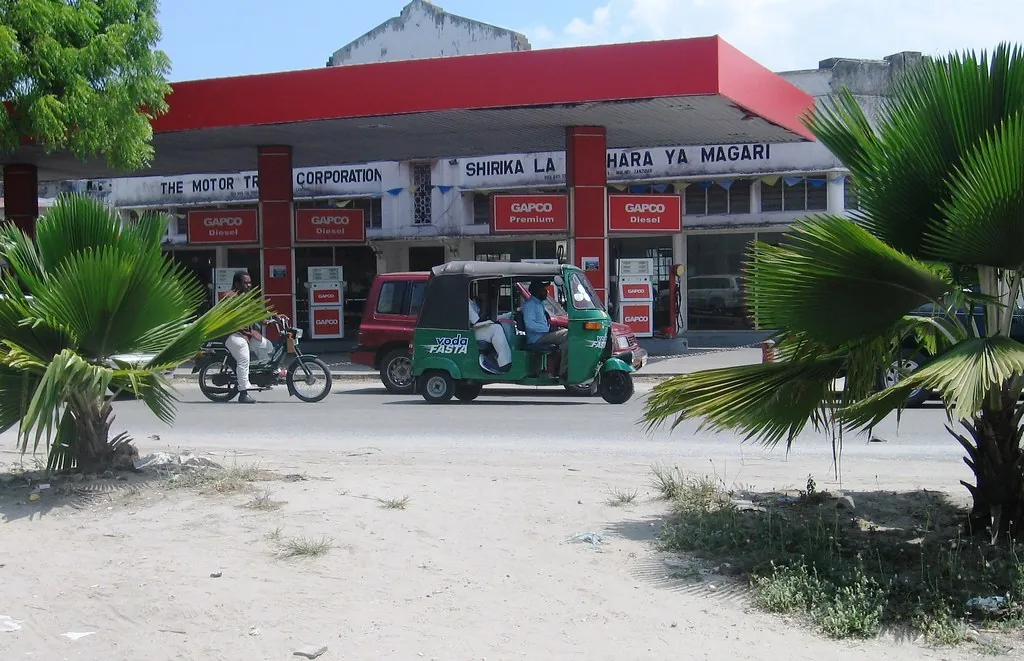
Bajaji — three-wheeled auto-rickshaws — buzz around Stone Town and, increasingly, the beach villages such as Nungwi and Paje. Most take up to three passengers. They're made for short trips within a town or village: from your guesthouse to the market, from Kendwa to Nungwi, or along the Paje road to dinner.
They aren't built for the airport run or a cross-island journey — they're light, open and slow on the main roads — and Stone Town's narrowest lanes are too tight even for them.
Why use it
Cheaper than a taxi for a short ride, easy to find, and breezy in the heat.
When
Daytime and early evening. After dark, a taxi from a driver you know is the safer choice.
How it works
Flag one down or ask where they wait — there's usually a cluster near the main junction or the market. Agree the fare before you get in, and pay cash. Bolt reportedly offers bajaji in and around Stone Town.
Safety and scams
They're light open vehicles and some drivers are fast, so hold on and keep bags inside. Agree the fare for the whole group, not per person, before setting off.
Worth knowing
- No fixed fares or licensing rules that we could find.
- Not suitable for luggage beyond a day bag.
8. Stone Town and the main roads · Island-wide
Boda boda (motorbike taxis)
Fast and everywhere — and the riskiest way to travel on the island.
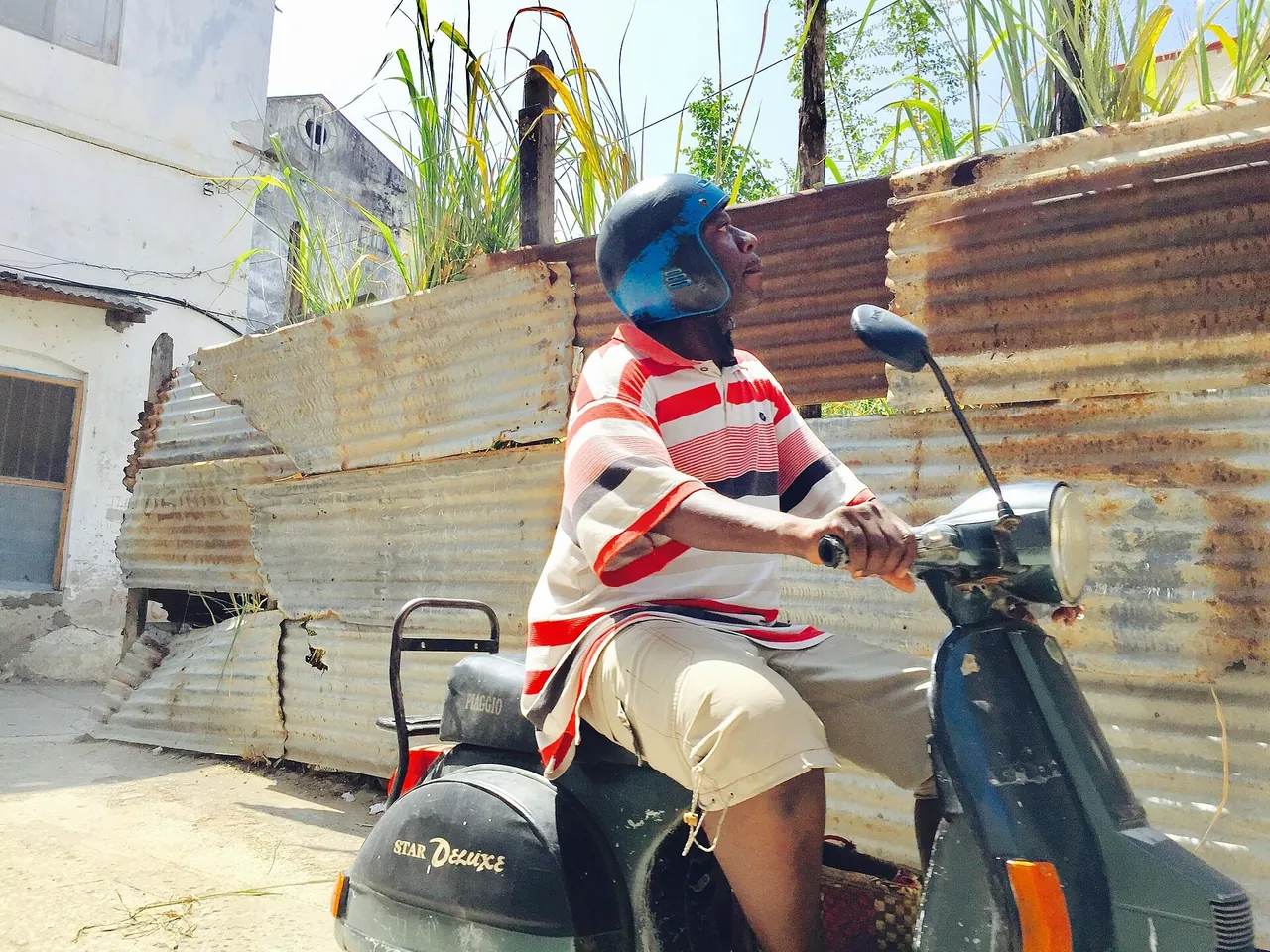
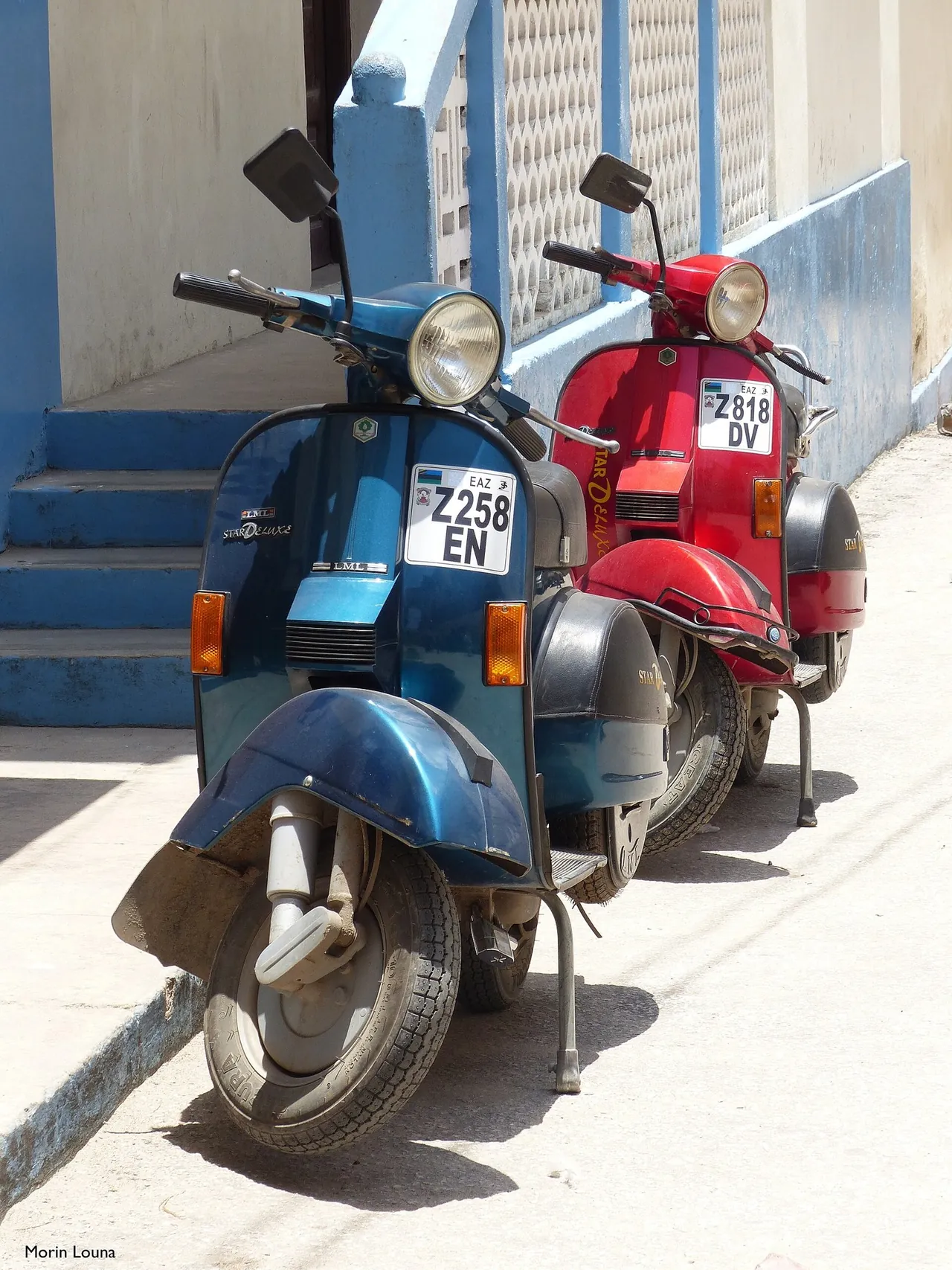
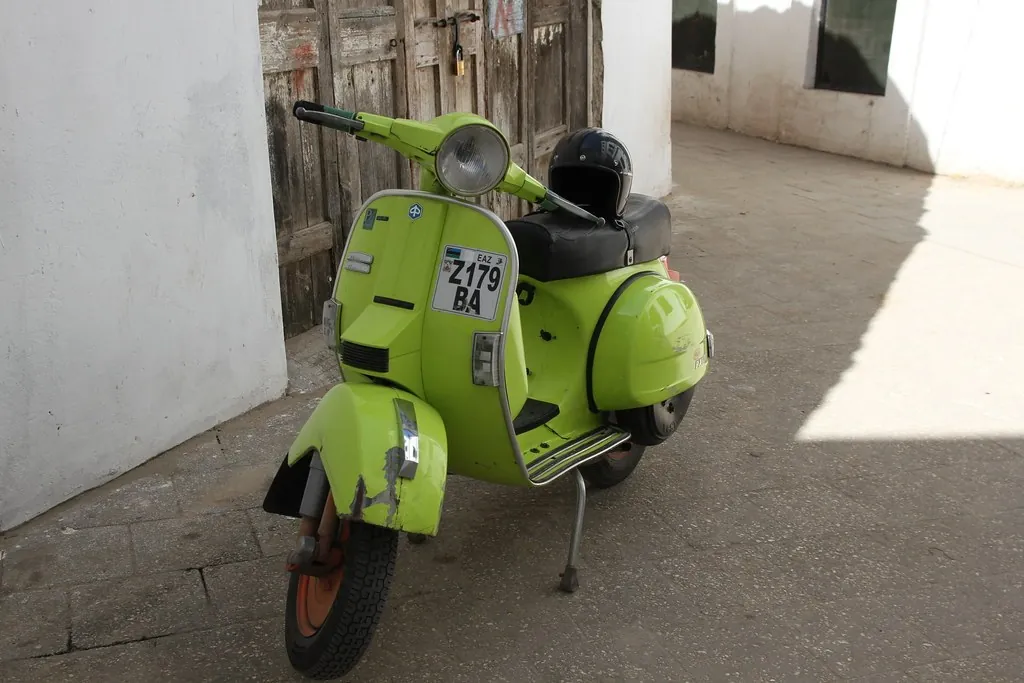
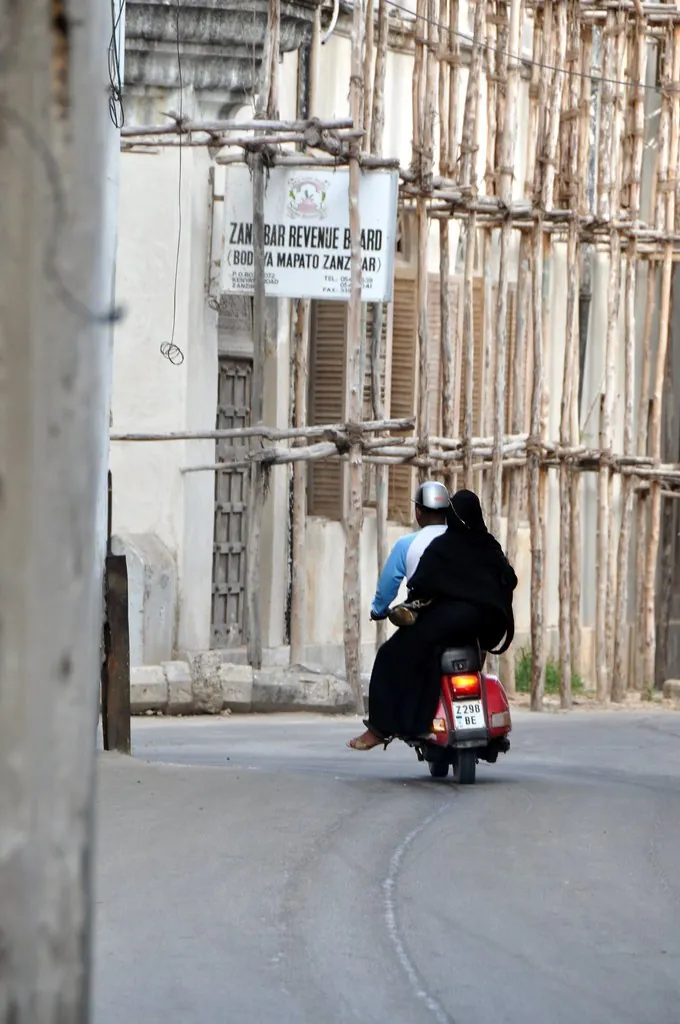
Boda boda, or piki piki — motorbikes and scooters carrying a paying passenger — are everywhere in Stone Town and on the main roads. They're quick and cheap and will take you down tracks no car can manage.
They're also where most of the danger is. Zanzibar's government has been working to regulate riders since 2022 and announced in 2025 that official fares were coming; in January 2026 the transport minister said road crashes had risen 40% in December 2025 alone, largely blamed on young boda riders, and ordered new screening.
Why use it
When you need a short ride right now and nothing else is about — but think twice.
When
Daylight and dry roads only. Avoid them in the rains, when the roads are slippery, and after dark.
How it works
Riders wait at junctions and markets, or wave one down. Agree the fare first, insist on a helmet and wear it, and carry nothing that will unbalance the bike. Bolt also books motorbike rides in Stone Town.
Safety and scams
Check your travel insurance before you ride: many policies only cover a motorbike passenger who wears a helmet and whose rider is properly licensed, and visitors can't check the licence. Helmets often aren't offered unless you ask.
Worth knowing
- Mainland Tanzania's rules (two helmets, one passenger, no young children) don't automatically apply on Zanzibar, which regulates its own transport; we couldn't find Zanzibar's own rules on helmets or passengers.
- We couldn't confirm whether the official boda fares announced in 2025 are in use.
9. Delivered to the airport, port or hotel · Island-wide
Hiring a car and driving yourself
Freedom to explore — on the left, with a Zanzibar permit, slowly through the villages and never at night.
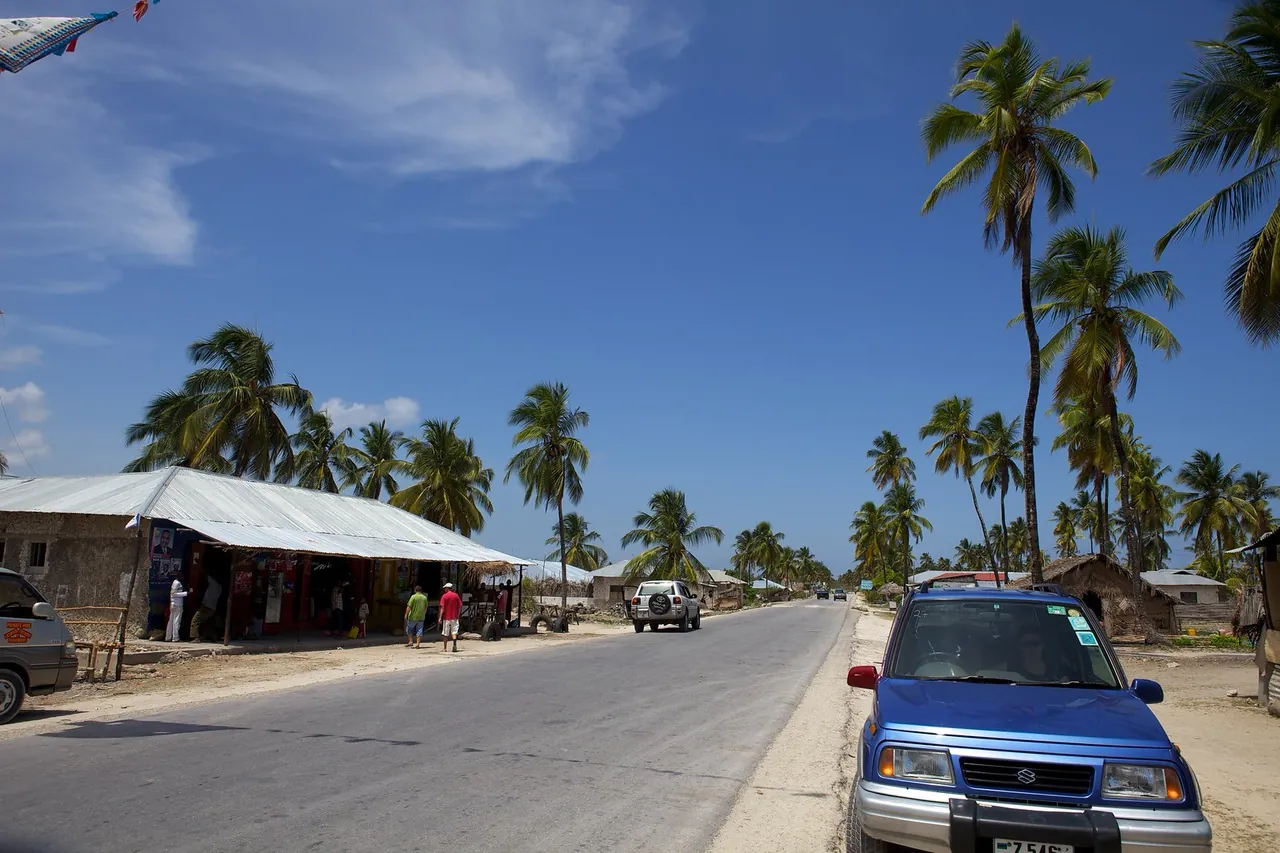
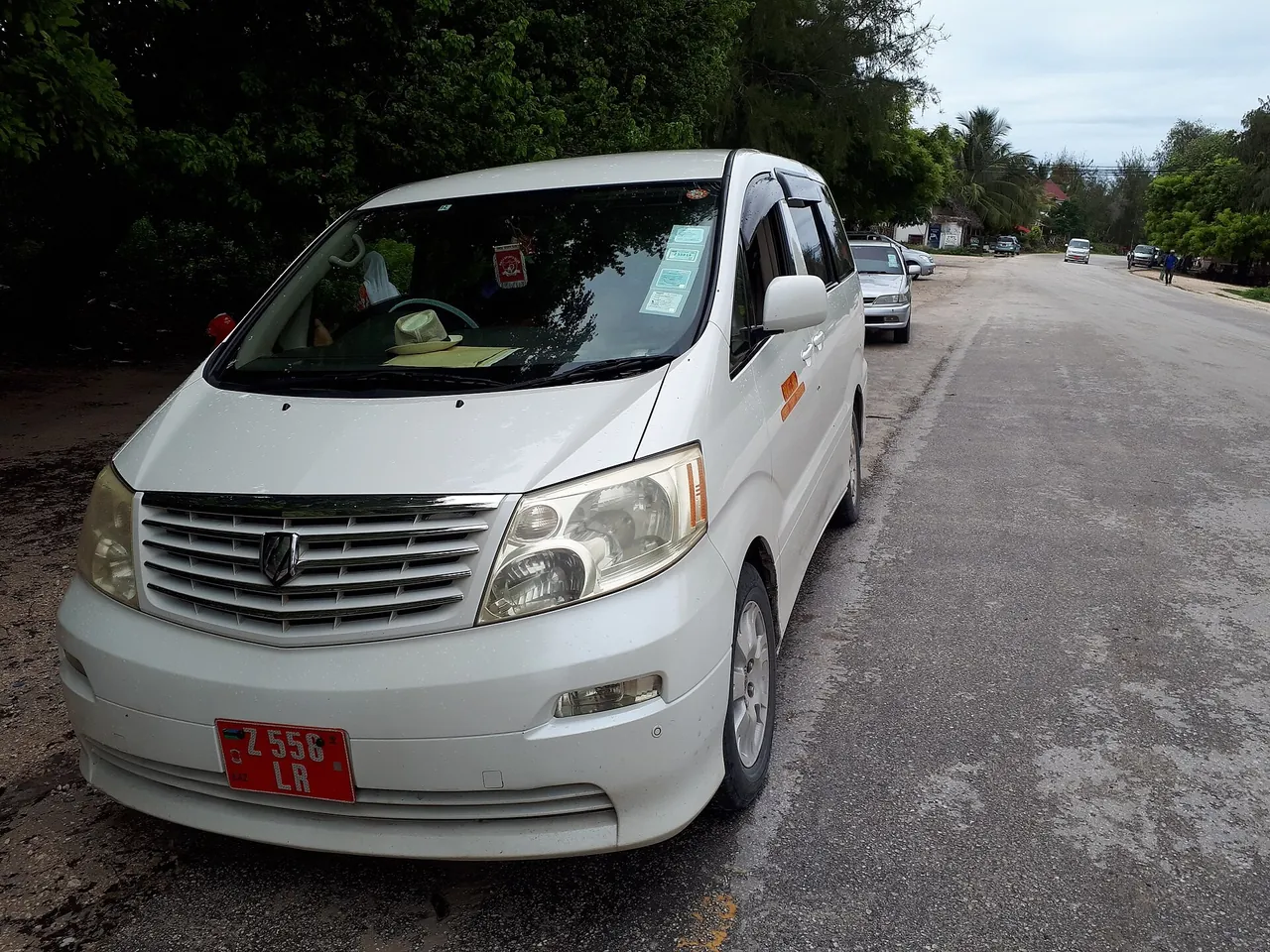

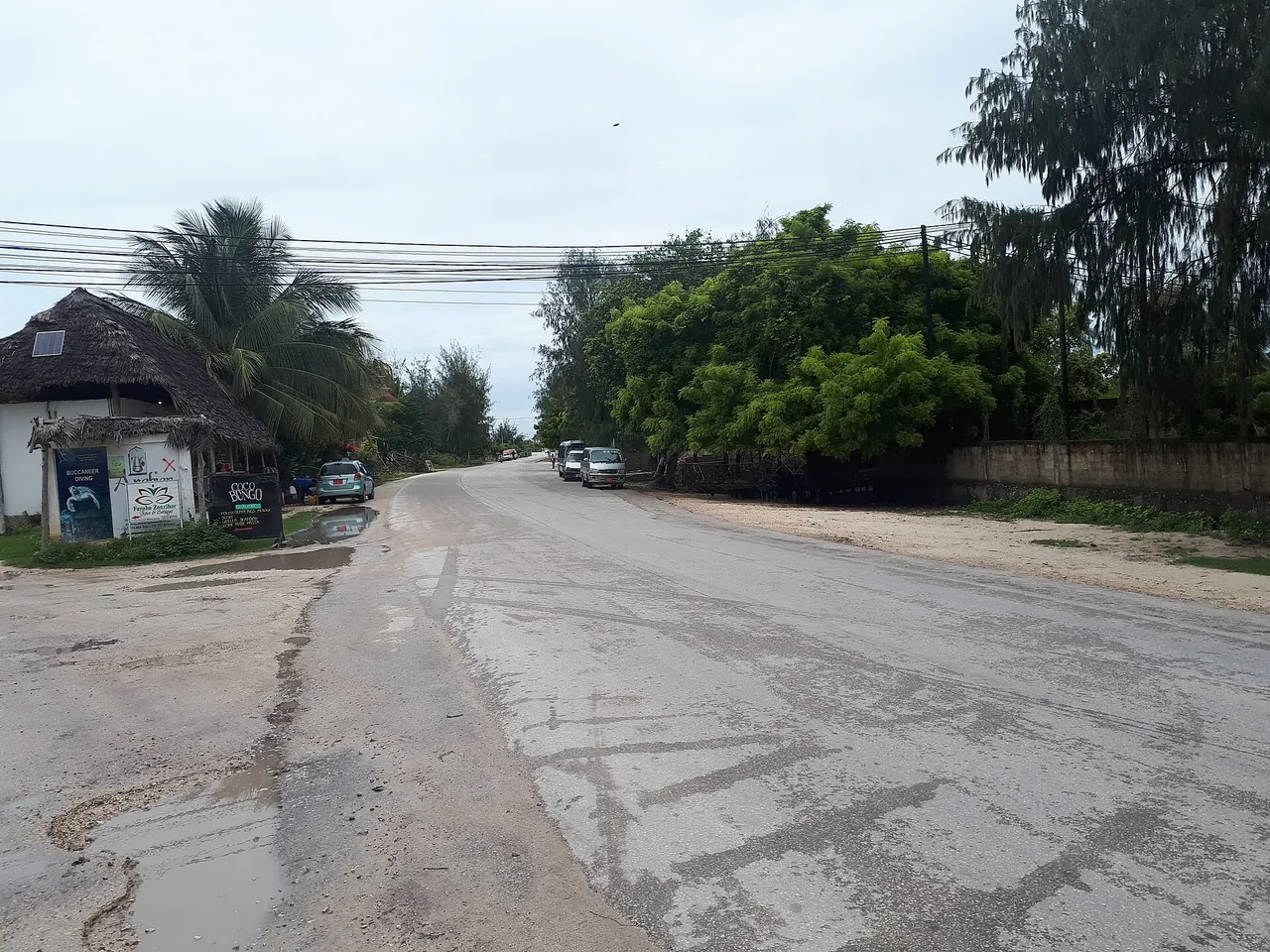
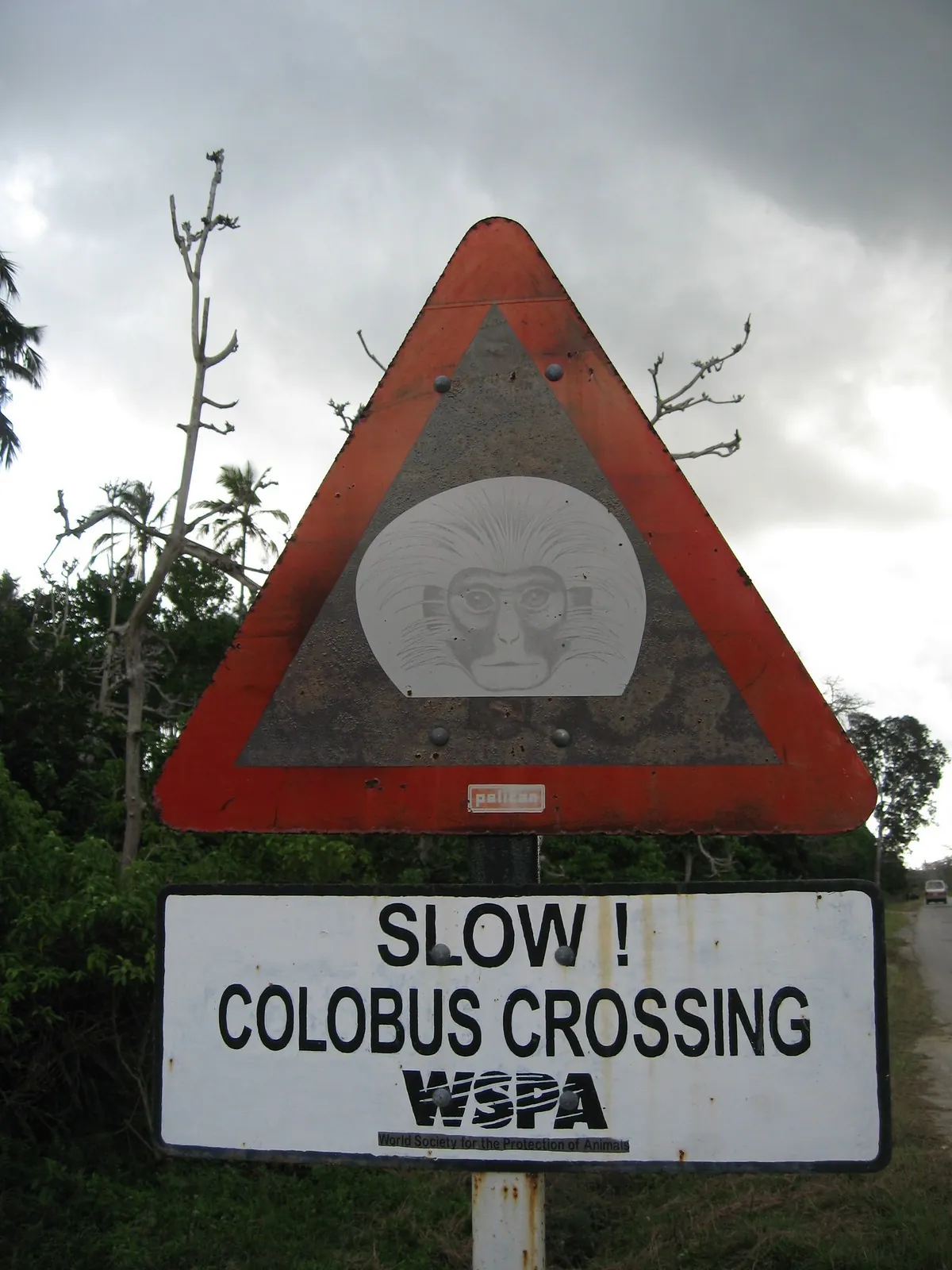
Zanzibar is easy to drive in daylight: the main roads from Stone Town to Nungwi and to Paje are tarmac, and the distances are short. There are no international chains; local firms deliver the car to the airport, the port or your hotel and arrange the paperwork. Traffic drives on the left and most rental cars are automatics.
You need your home licence plus a Zanzibar driving permit, which the rental company arranges — usually from a photo of your licence sent on WhatsApp before you arrive, with the permit handed over with the car. Sources disagree on whether you also need an International Driving Permit: some firms and some travel insurers want one, so check both. The permit is valid for up to three months by most accounts.
Firms with their own websites include Zanzibar Car Hire, Zanzibar Car Rentals, Zanzibar Cars, Zanzibar Rentals and ZanDrive — listed alphabetically, not ranked, and not checked by us beyond their own sites.
Why use it
The only way to stop wherever you like — a beach café, Jozani, a village market — and to move between coasts on your own schedule.
When
Daylight only. Every source, including the UK government, advises against driving outside towns after dark: no street lights, people and animals on the road, and unlit vehicles. In the long rains (roughly mid-March to May) dirt roads flood and some east-coast sand stretches need a 4×4.
How it works
Book directly with a firm by WhatsApp or its website, send your licence for the permit, and arrange delivery. Photograph the car from every side at handover, get the insurance excess in writing, and fill up in Stone Town, Nungwi or Paje — stations are scarce in the south-east and mostly take cash. Don't try to drive into Stone Town's old town; park near the seafront and walk.
Safety and scams
Police checkpoints are frequent on the main roads; carry your licence, the permit and the rental papers. The UK government says police should not take on-the-spot payments — a fine comes with a government control number to pay — so ask for the officer's ID and phone the rental company if anything seems wrong. Slow right down in villages: speed bumps are often unmarked and the limits are enforced.
Worth knowing
- Insurance ranges from third-party only to full cover; ask exactly what's included.
- There are no roadside breakdown services; the rental company is your rescue.
- Speed limits are low in villages, but sources disagree on the exact figures and we found no official table.
- Rental cars can't be taken off the island.
10. Paje, Jambiani & Stone Town · South-east coast
Scooter and motorbike hire
The east coast's favourite way to get about — for experienced riders, with a helmet, in daylight.
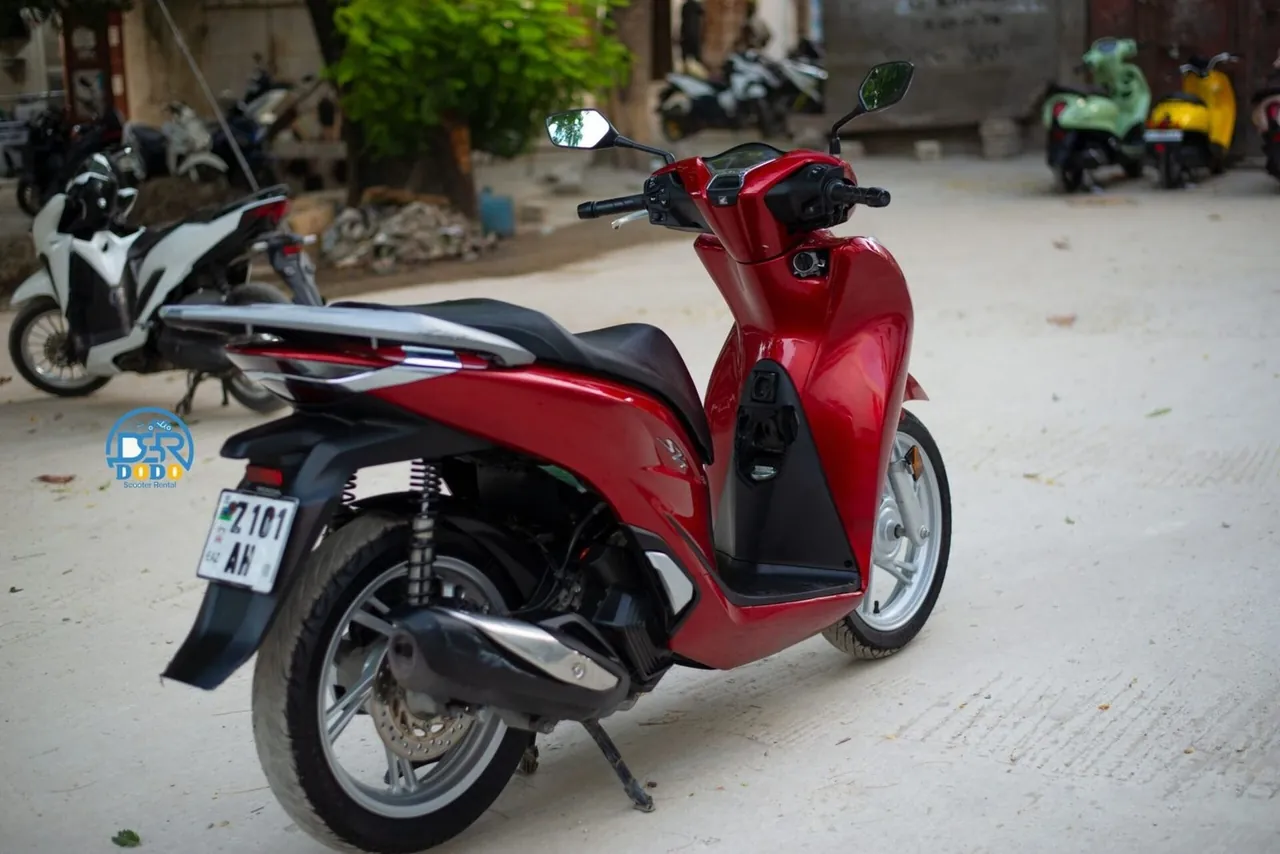
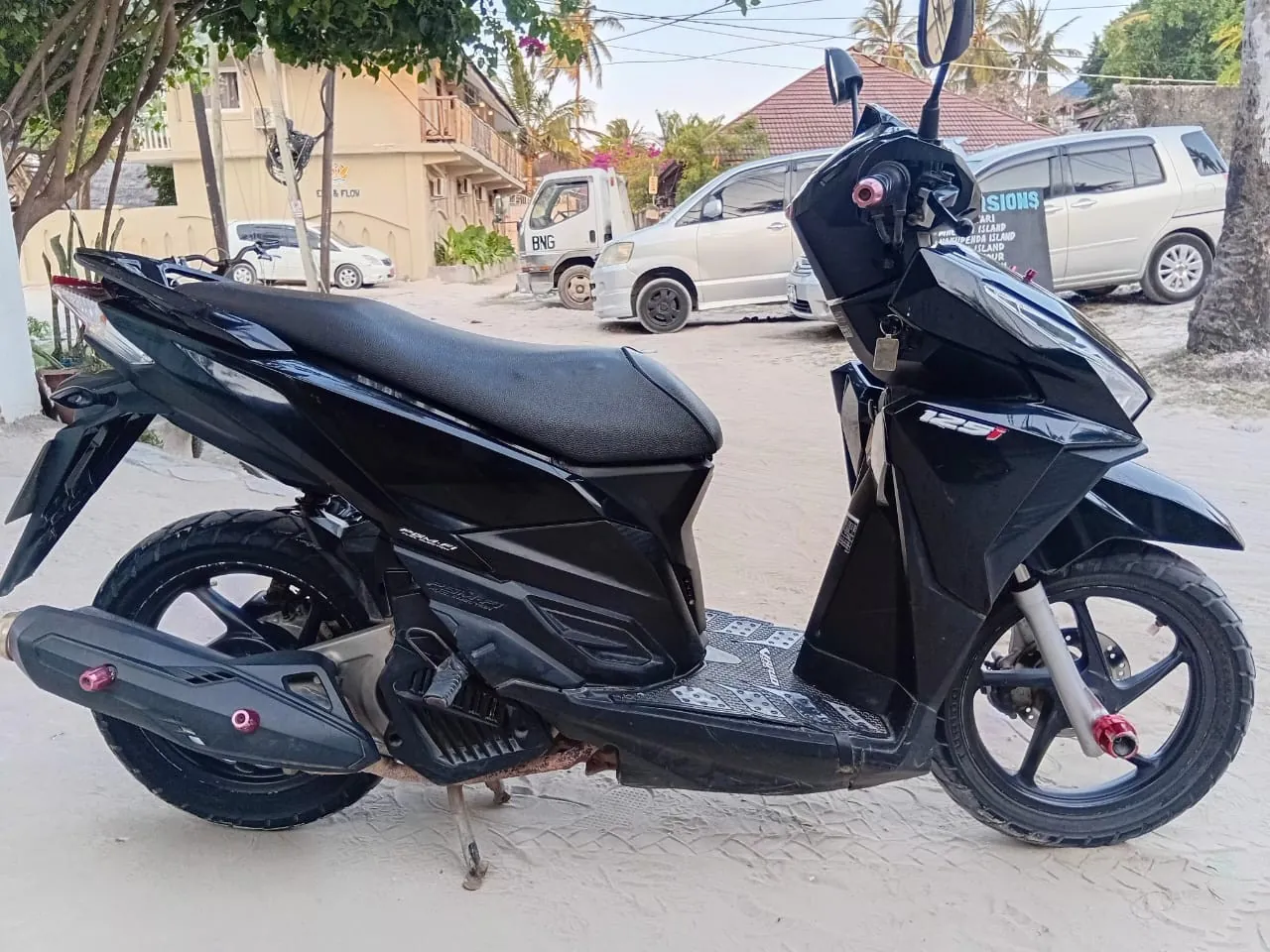
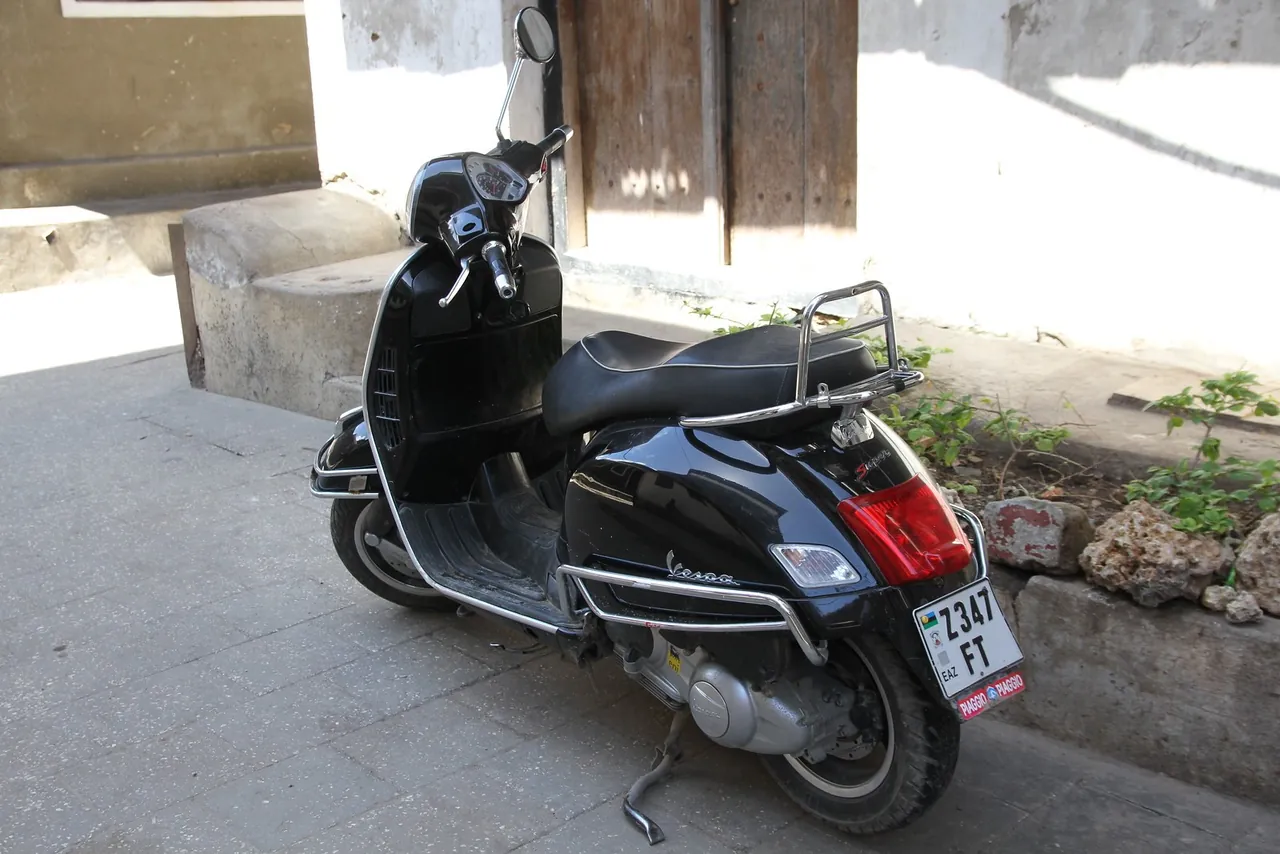
Tap any photo to see all 6.
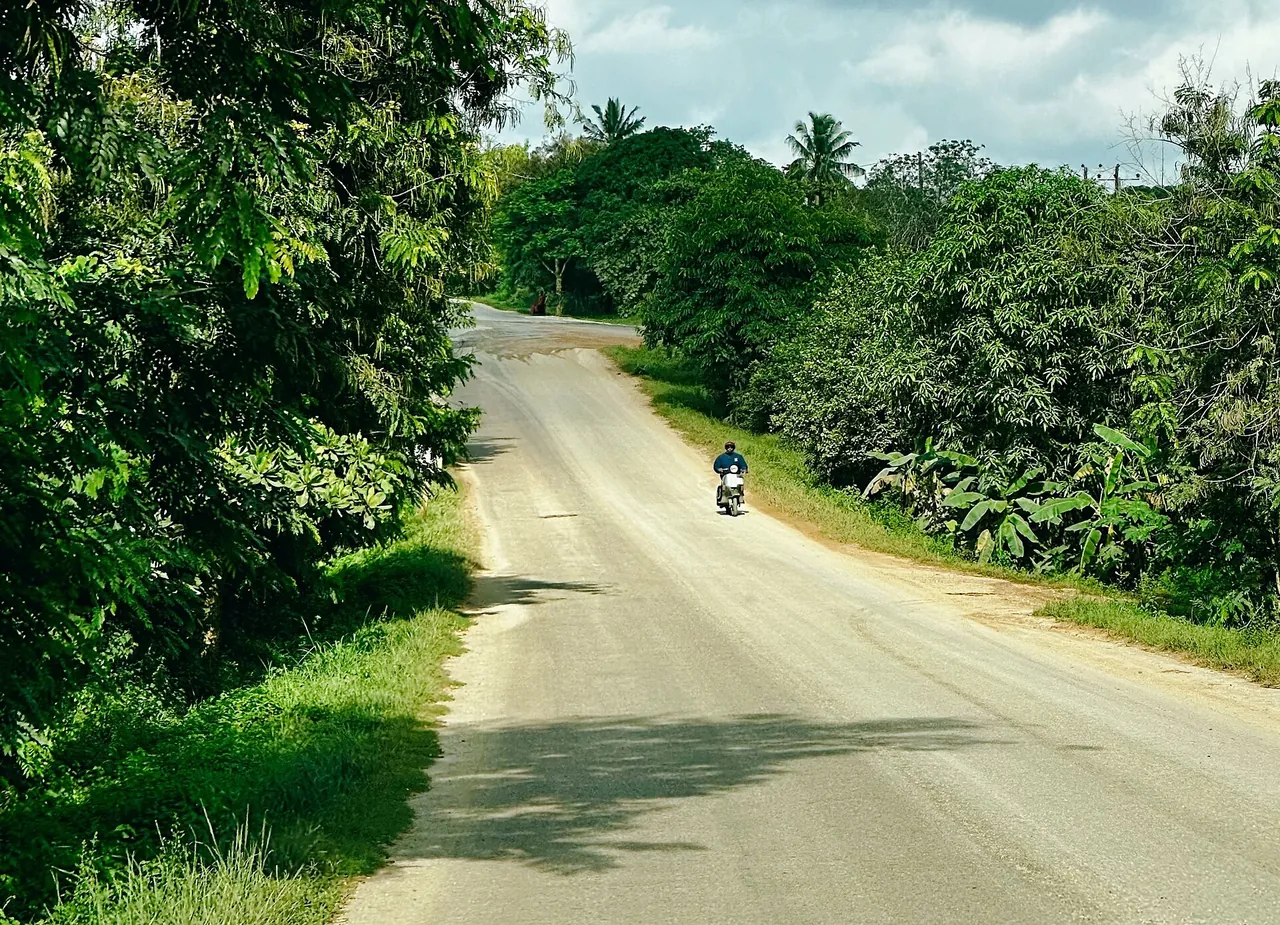
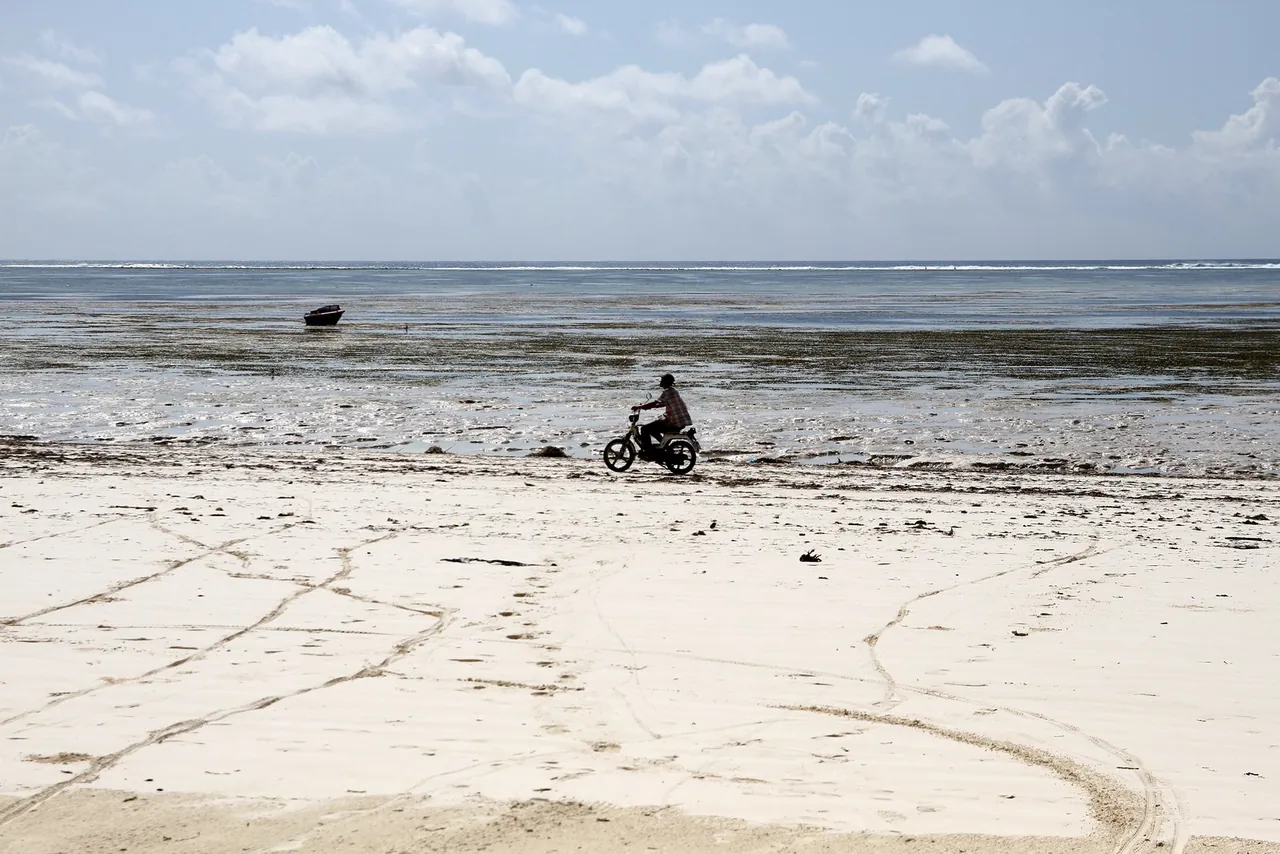
Paje is the island's scooter hub, and the flat east-coast road from Jambiani to Michamvi is the classic ride. Rental scooters are mostly 125–155cc automatics such as Honda Clicks, Varios and PCXs; firms deliver to hotels and supply helmets. Kapengaro in Paje delivers along the east coast, Dodo Scooter Rental delivers to the airport, port and hotels, and Zan Ocean rents in Jambiani.
The same Zanzibar driving permit as for cars applies, and the rental firm arranges it. A long-time resident hotelier who writes about the island says scooters are involved in most of the road accidents involving visitors, and advises against hiring one if you haven't ridden regularly in the past two years.
Why use it
Cheap, easy to park and perfect for hopping between beach cafés, kite spots and villages on the east coast.
When
Daylight and dry weather. Ride early or late in the day out of the heat, and be off the road by dusk.
How it works
Book by WhatsApp with a firm that has a proper base and delivers to you. Test the brakes and tyres, start with a full tank, get the breakdown arrangement in writing and keep the permit yourself rather than leaving it with the firm. Don't hand over your passport as a deposit.
Safety and scams
Check your travel insurance first: most policies exclude scooters unless you hold the right motorbike licence at home and wear a helmet, and many car licences don't cover anything over 50cc. Rental insurance is limited or non-existent. Watch for sand on the east-coast tracks, potholes and close-passing minibuses.
Worth knowing
- We couldn't confirm whether a car licence plus the Zanzibar permit is legally enough for a 125cc scooter.
- Police check riders often, especially on the north road and the east-coast main road; carry your licence and permit.
- We found no scooter firm with its own website in Nungwi or Kendwa; ask your hotel.
11. Paje, Jambiani & Stone Town · South-east coast
Bicycles
Flat lanes, a coast road and, at low tide, a beach as wide as a motorway.
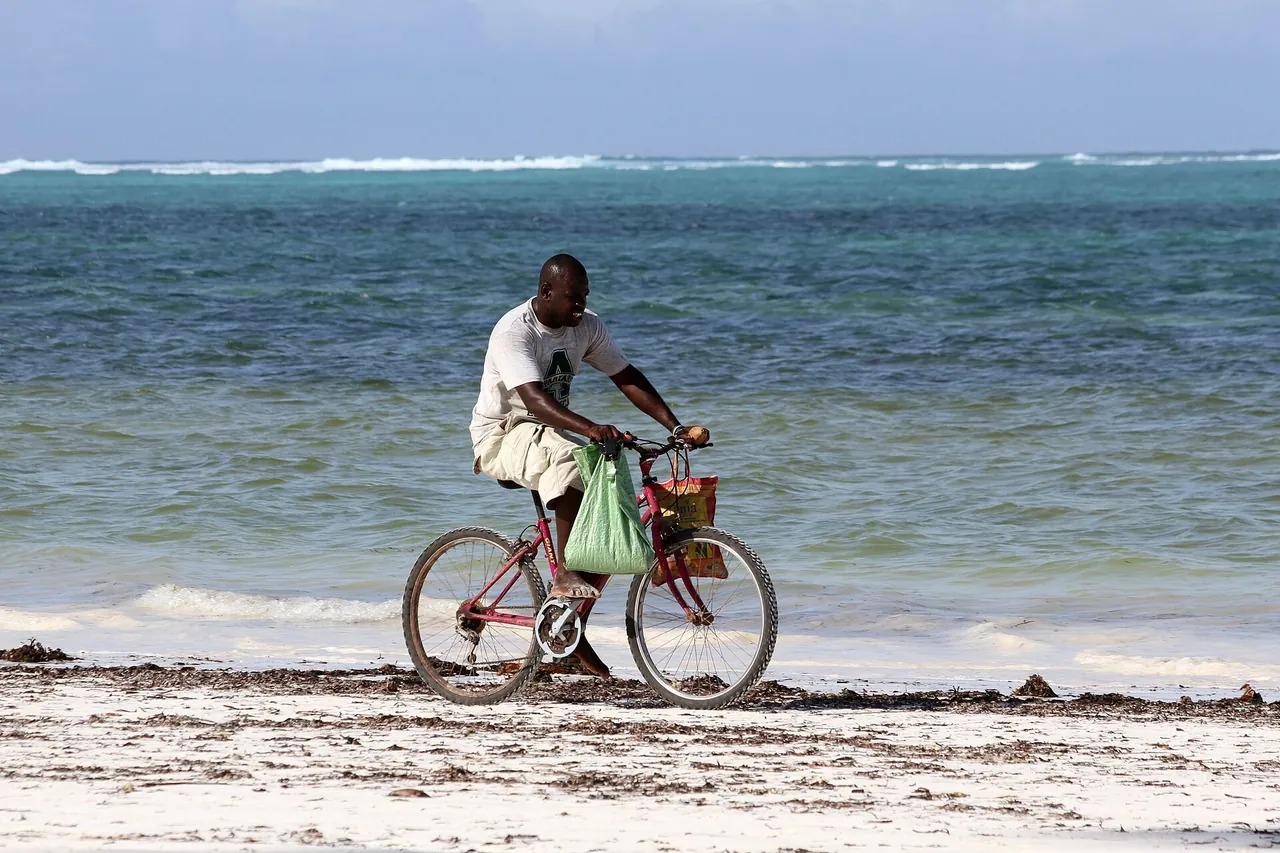
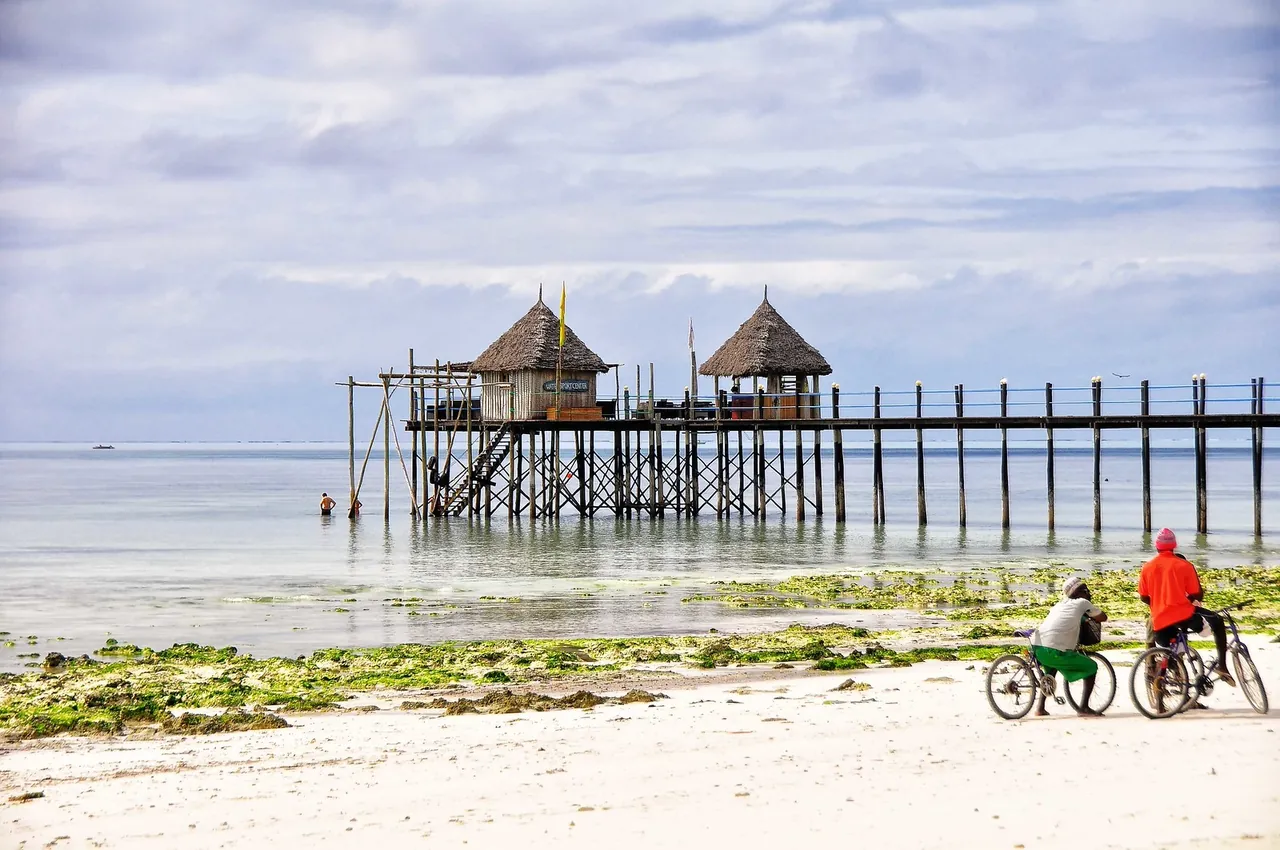
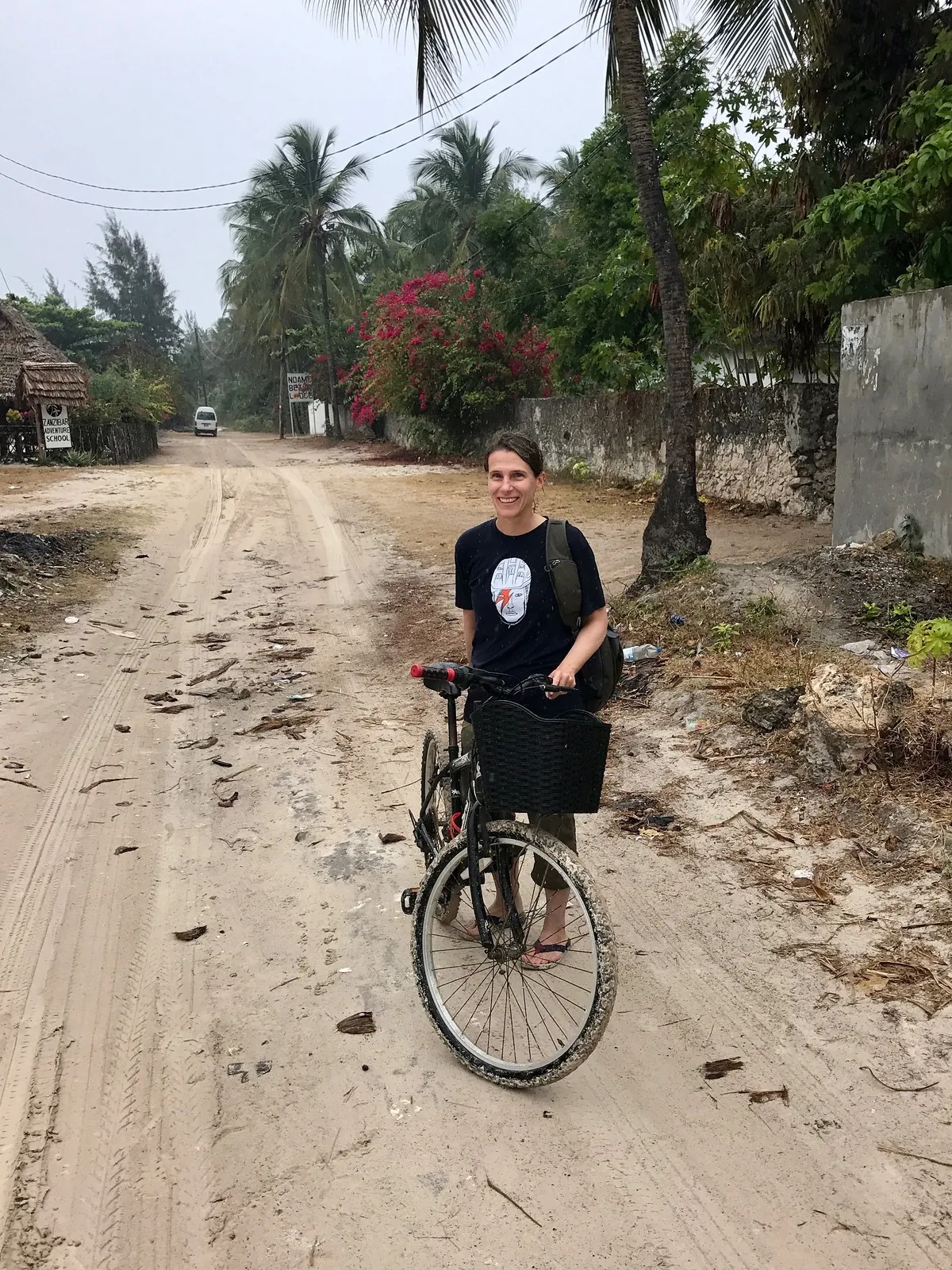
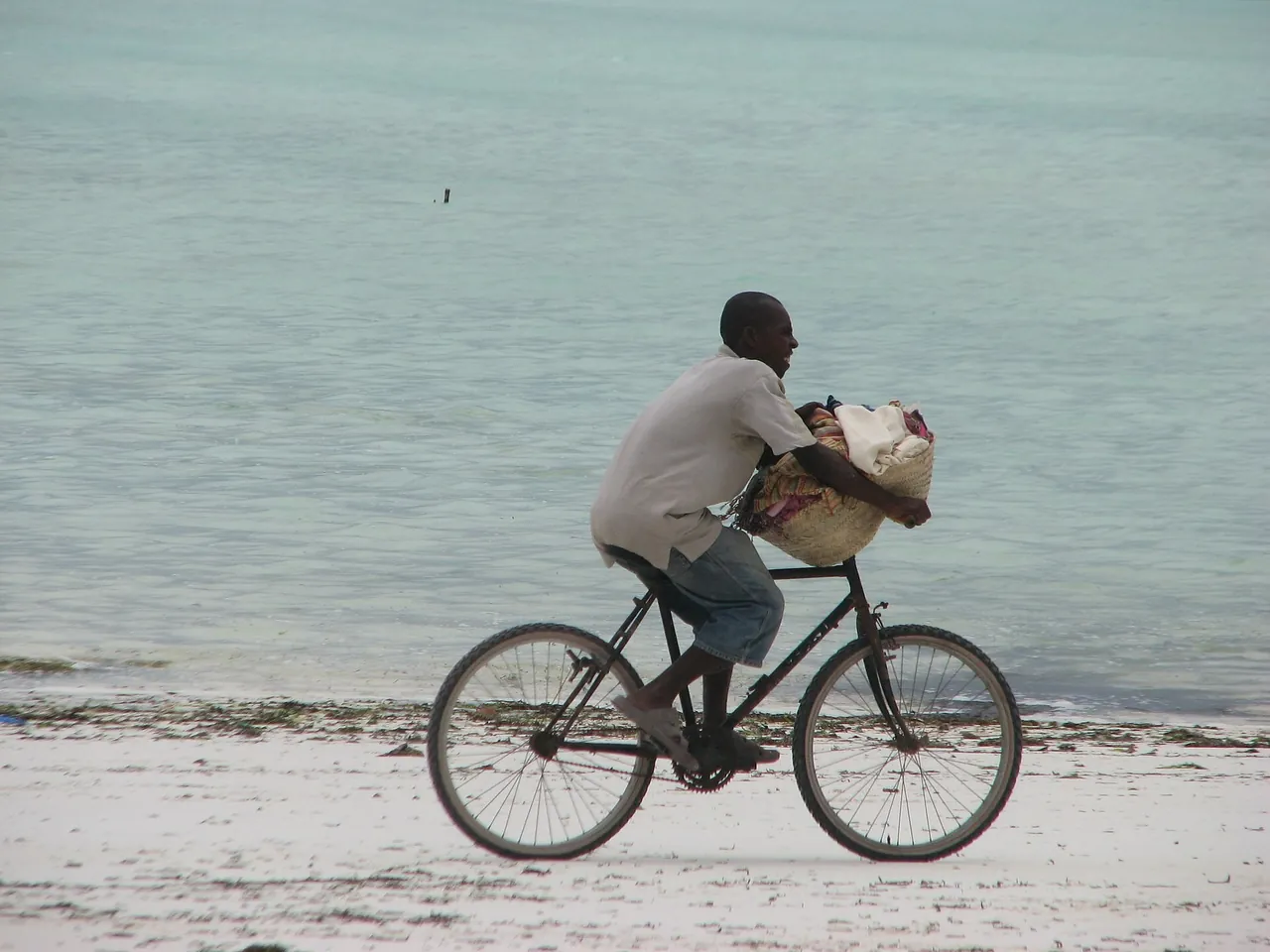
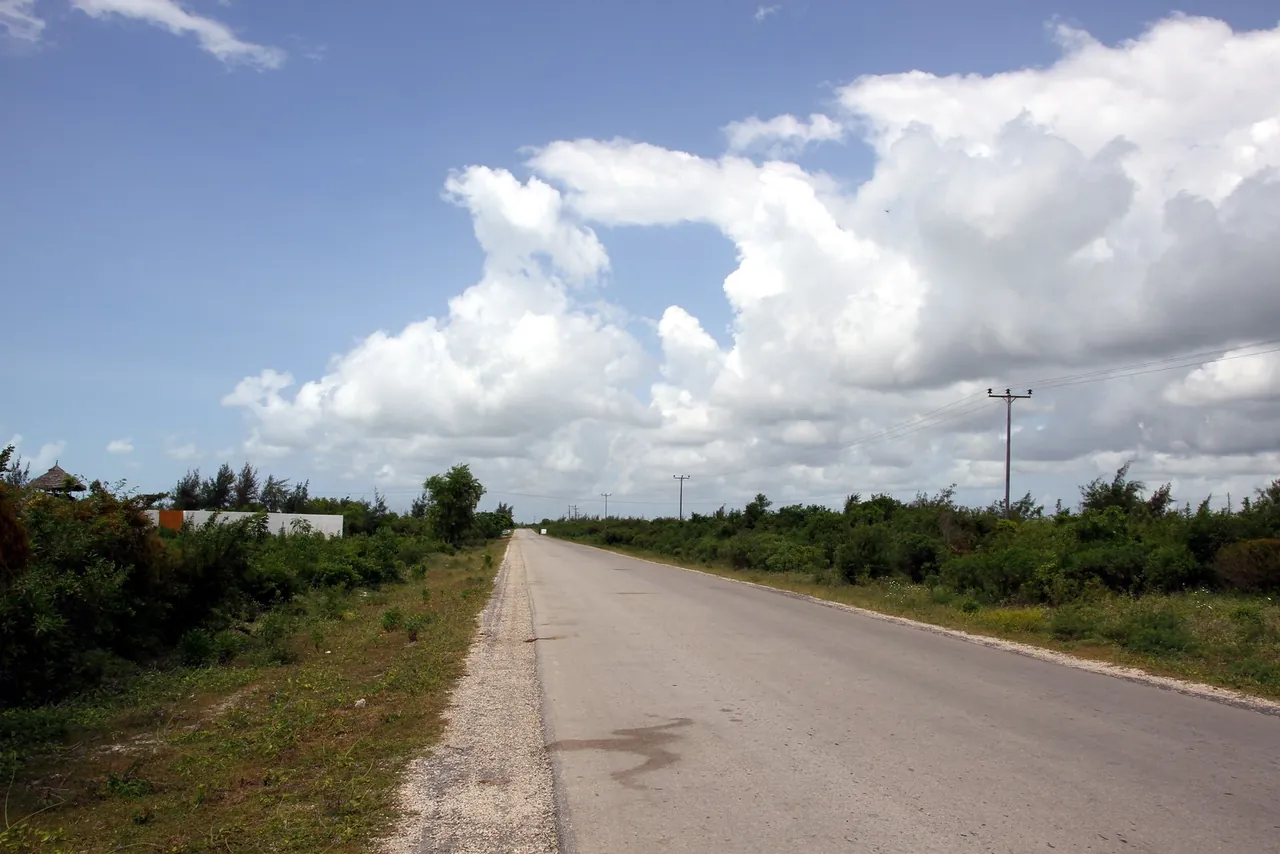
Tap any photo to see all 6.
The east and north of the island are flat or gently rolling, and the south-east is the place to cycle: the road from Paje south through Jambiani towards Kizimkazi is quiet past Jambiani, and at low tide the firm sand between Paje and Bwejuu becomes a road for bikes and mopeds.
On The Go rents app-unlocked bikes from stations in Paje, Jambiani, Pingwe, Makunduchi and Stone Town, with a helmet included; Zan Ocean rents and delivers bikes in Jambiani, and basic bikes can be hired near Forodhani in Stone Town. We found no e-bike hire and no bike-hire business in Nungwi beyond hotels' own bikes.
Why use it
The quietest way to see village life, cheap, and no permit needed.
When
Before about 11:00, before the heat. Ride the beach on a falling tide and leave it before the water comes back. Never at night — there are no street lights. The long rains turn interior dirt tracks to slippery mud.
Tide: On the east coast the sea goes out a very long way at low tide and the times shift by about 50 minutes each day; ask your hotel for a tide table before riding on the beach.
How it works
Book an On The Go bike online and unlock it with your phone (your first booking needs ID), or ask your hotel or Zan Ocean. Take at least two litres of water, sun cream, a lock and an offline map. Lock the bike and walk once you reach Stone Town's lanes.
Safety and scams
Check the brakes and tyres before you set off. Avoid the main road between Stone Town and Nungwi, where minibuses pass close and fast. Ring your bell coming into villages and slow down by schools and markets.
Worth knowing
- Shops in Stone Town don't always provide helmets.
- Cover shoulders and knees when you ride through villages.
12. Stone Town, Nungwi–Kendwa and the east-coast beaches · Island-wide
On foot
Stone Town's lanes, and low-tide walks from one beach village to the next.
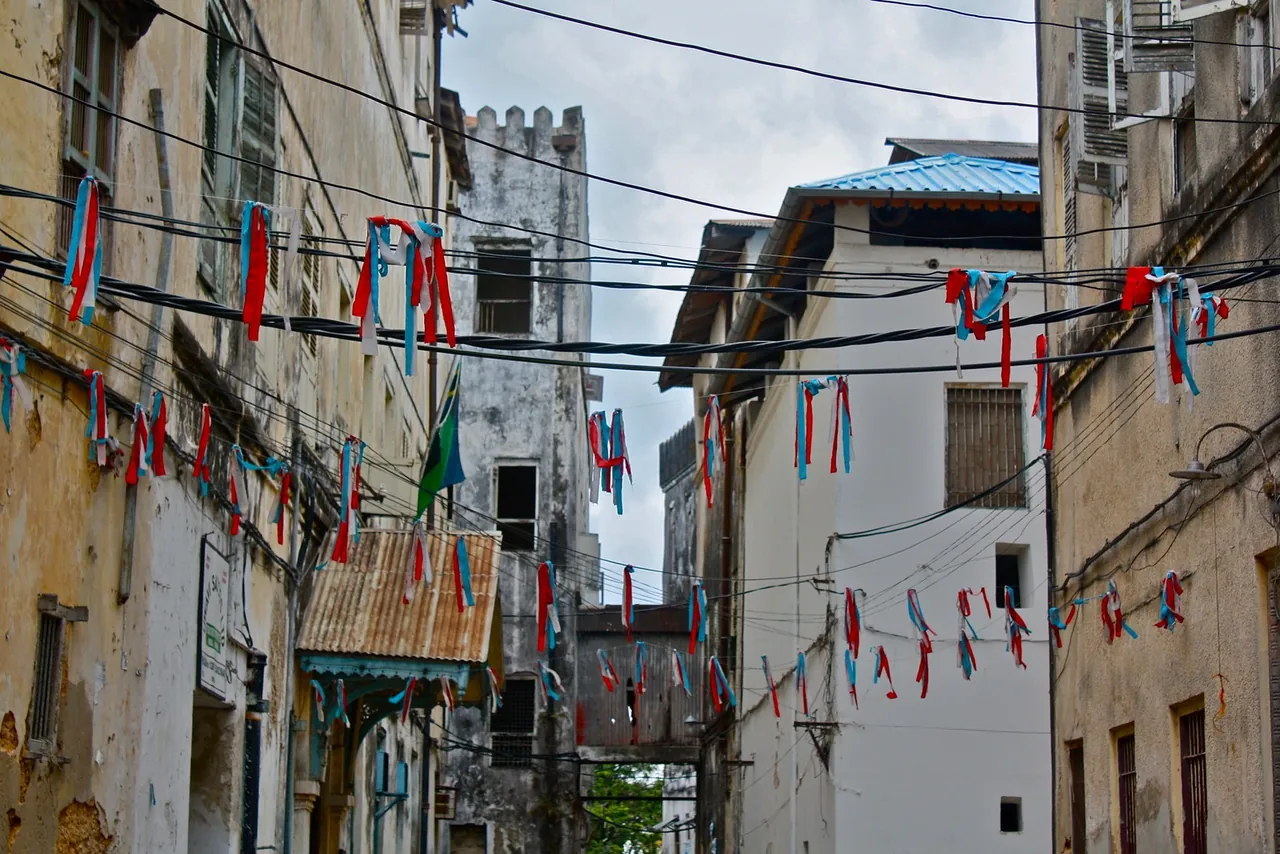
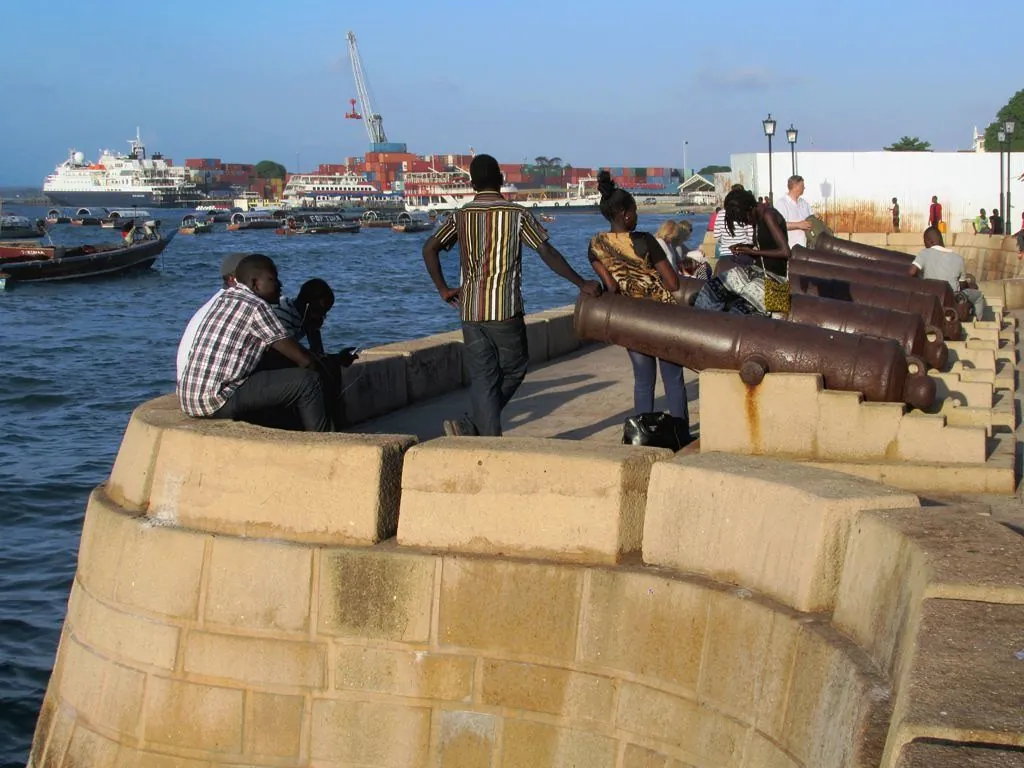
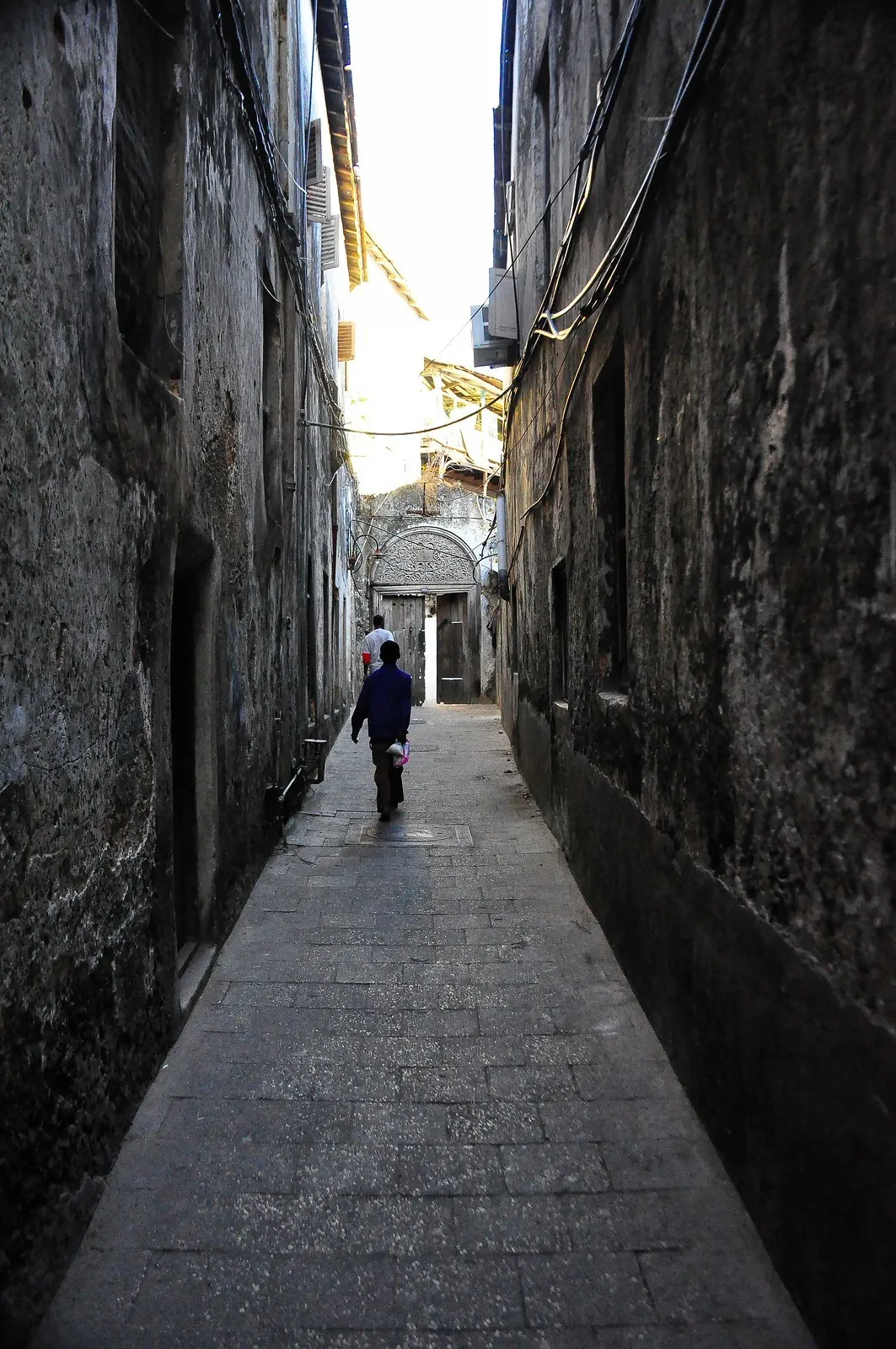
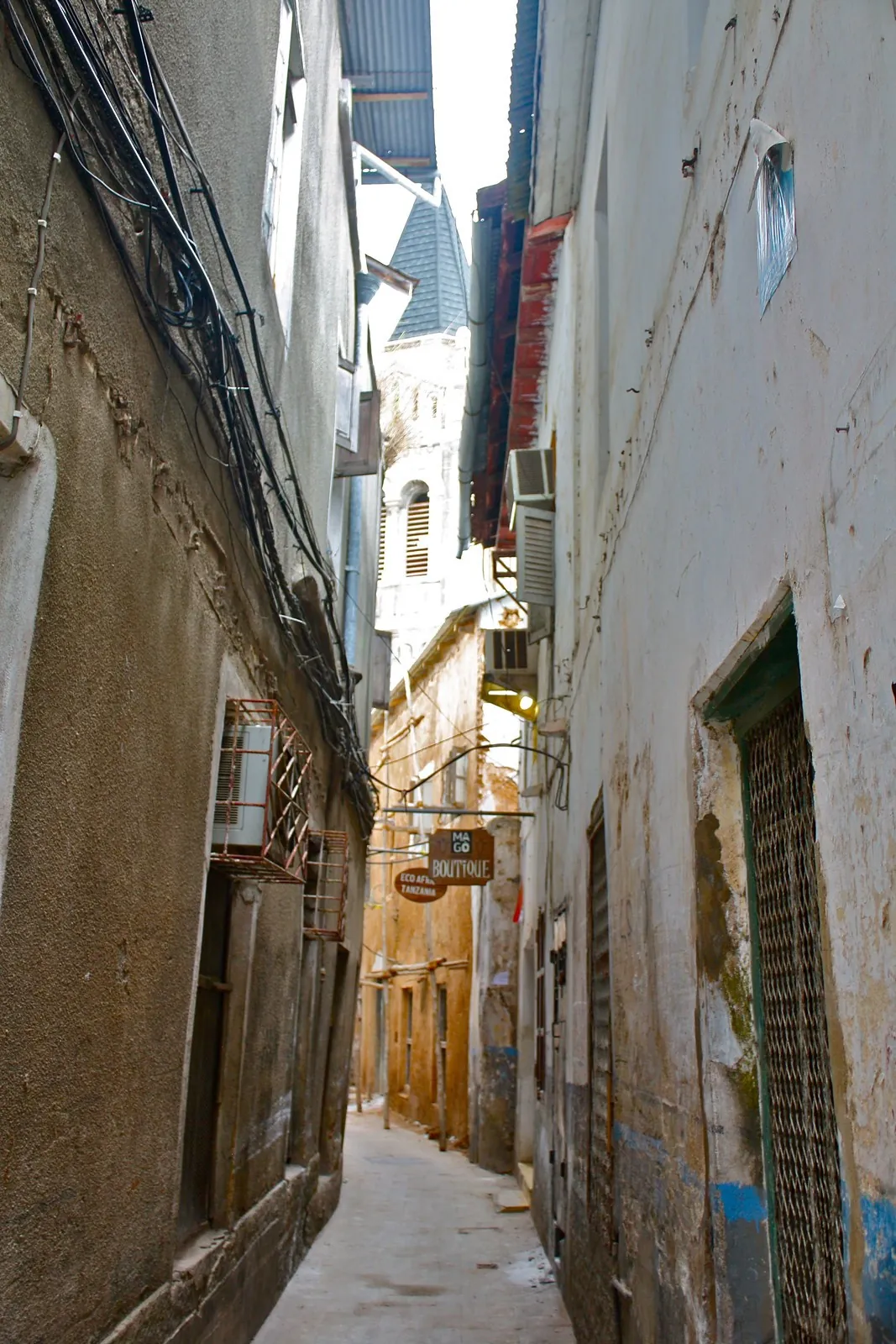
Tap any photo to see all 6.
Stone Town has to be walked: most of its lanes are too narrow for cars, and getting a little lost is part of it. It's about a square kilometre — hit the sea and you've gone west, hit the main road and you've gone east. The Forodhani waterfront, in front of the Old Fort, comes alive with its food market every evening after sunset.
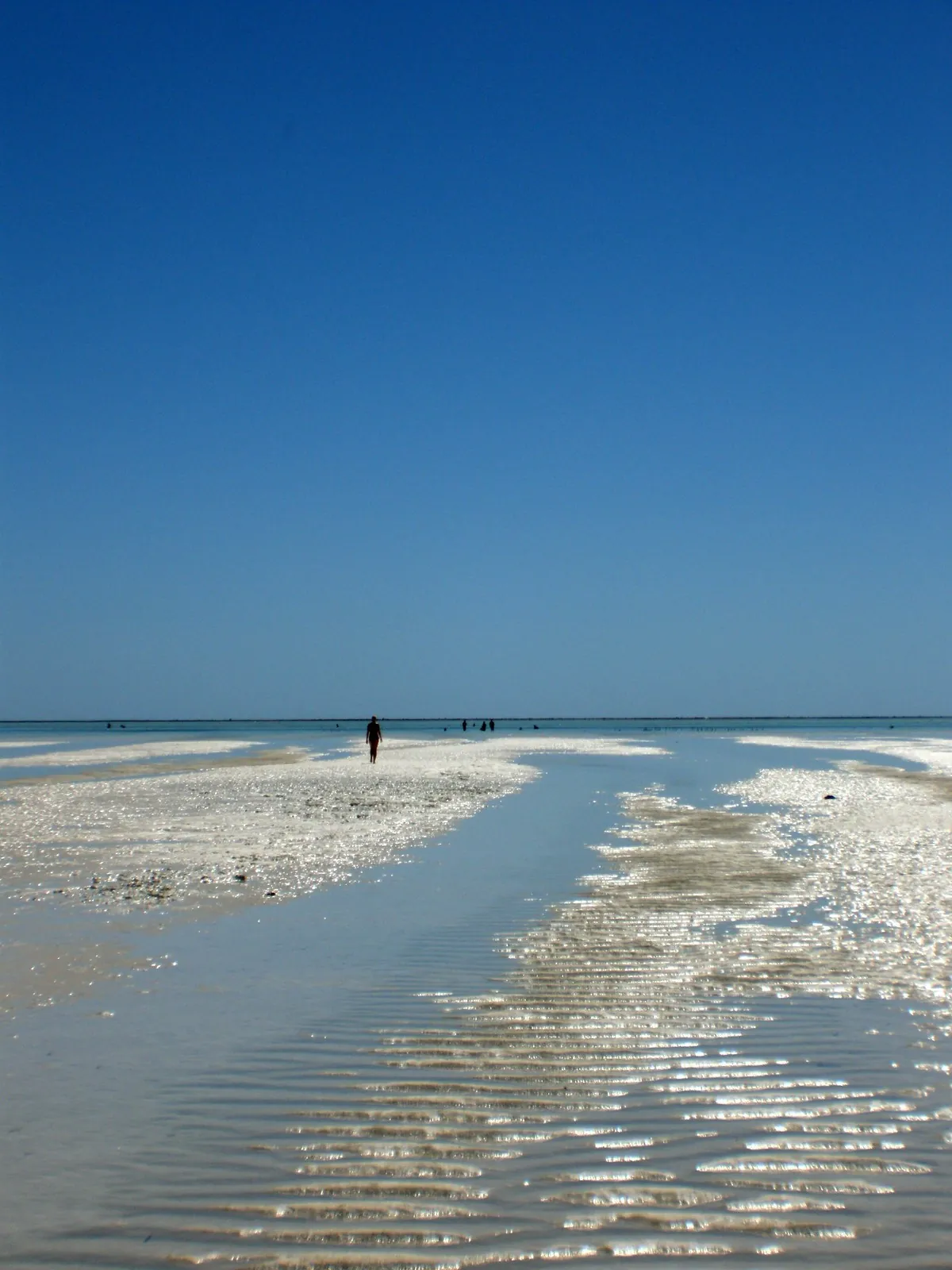
On the coast, the beach links the villages at low tide. Nungwi to Kendwa is a walk of twenty minutes to about forty around the headland, though the shore can flood at high tide on the way back. On the east coast the sea retreats hundreds of metres at low water, and Paje, Bwejuu and Jambiani are an easy few kilometres apart along the sand.
Why use it
Free, and the best way to see Stone Town's doors, balconies and street life — and the beaches as the locals use them.
When
Stone Town early in the morning or late afternoon, out of the midday heat; Forodhani from sunset. Beach walks on a falling tide, so you're done before it turns.
Tide: Plan beach walks around the tide: the Nungwi–Kendwa shore can flood at high tide, and on the east coast the water returns fast across the flats. Tide times shift by about 50 minutes a day; hotels hand out tide tables.
How it works
Download an offline map before you start. In Stone Town, watch for motorbikes and bicycles in the lanes. On the beach, wear reef shoes for the rocks and urchins, and carry water.
Safety and scams
The UK government advises against walking alone at night, including on beaches, where assaults have been reported; take a taxi after dark outside the busy, lit streets. Carry bags loosely rather than across your chest — thieves on motorbikes snatch them. Ask before photographing people.
Worth knowing
- Cover shoulders and knees away from the beach, especially in Stone Town and the villages; the UK government warns that visitors can be fined for clothing considered inappropriate.
- Forodhani's market is cash only, and touts there are persistent but generally harmless.
- We couldn't find reliable walking times for the east-coast beaches.
13. Malindi port, Stone Town · West coast
The fast ferry to Dar es Salaam
About an hour and a half across the channel, several times a day.
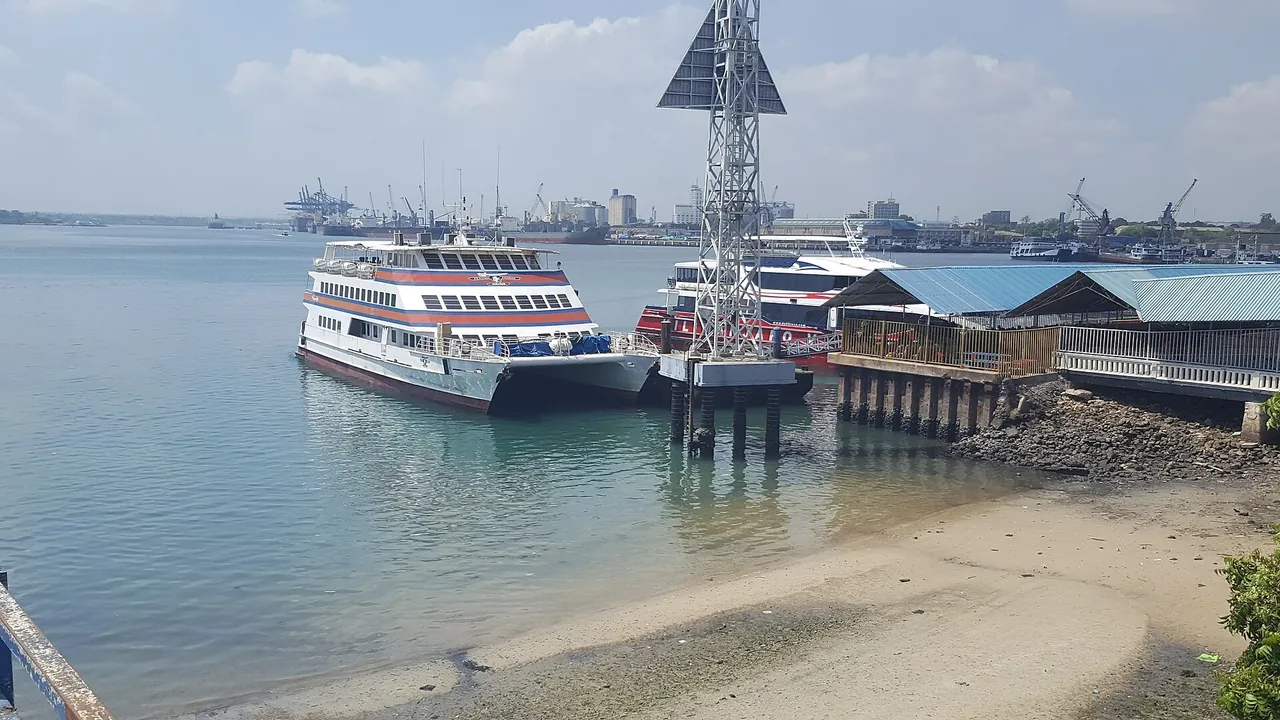
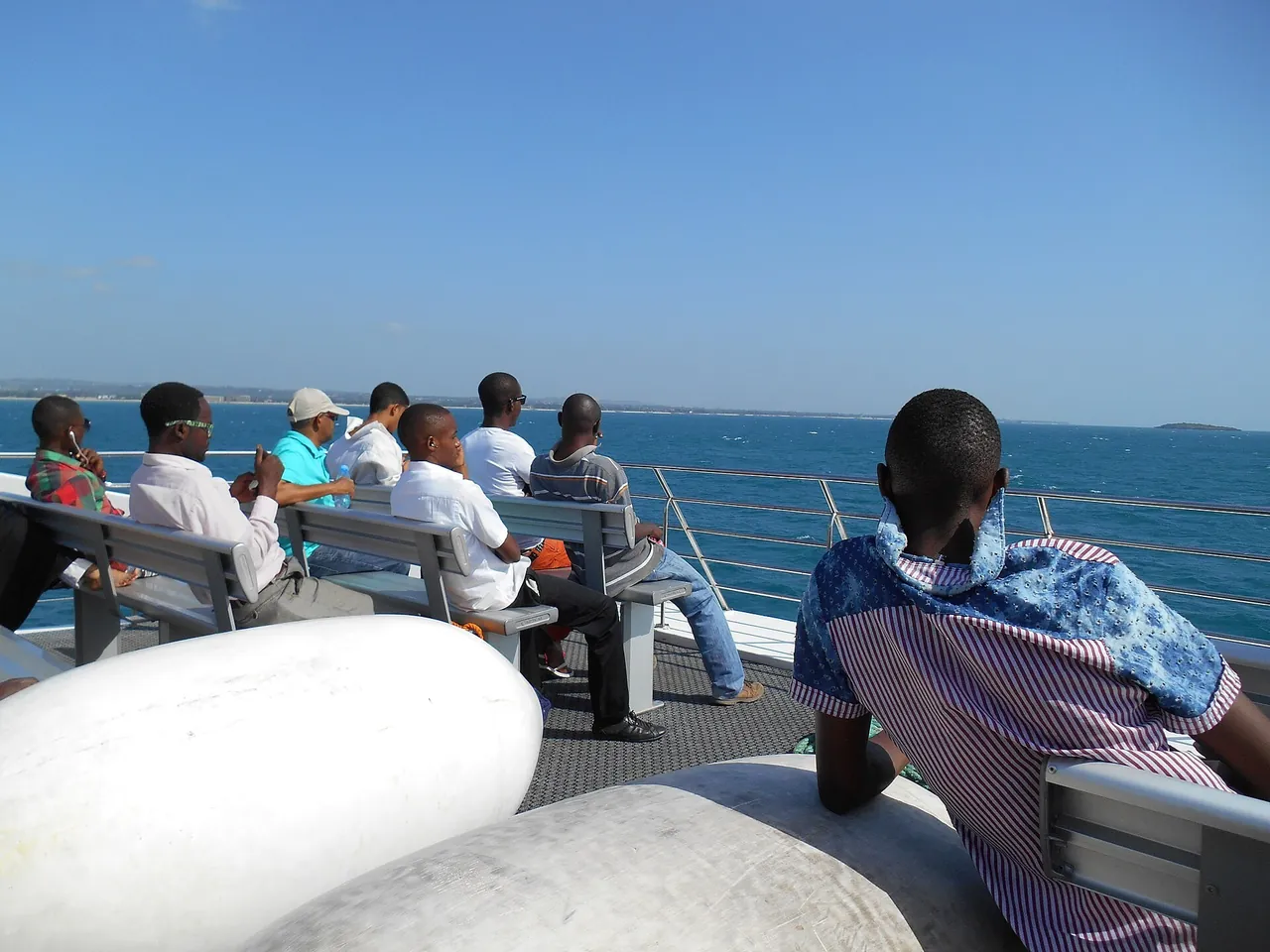
Tap any photo to see all 6.
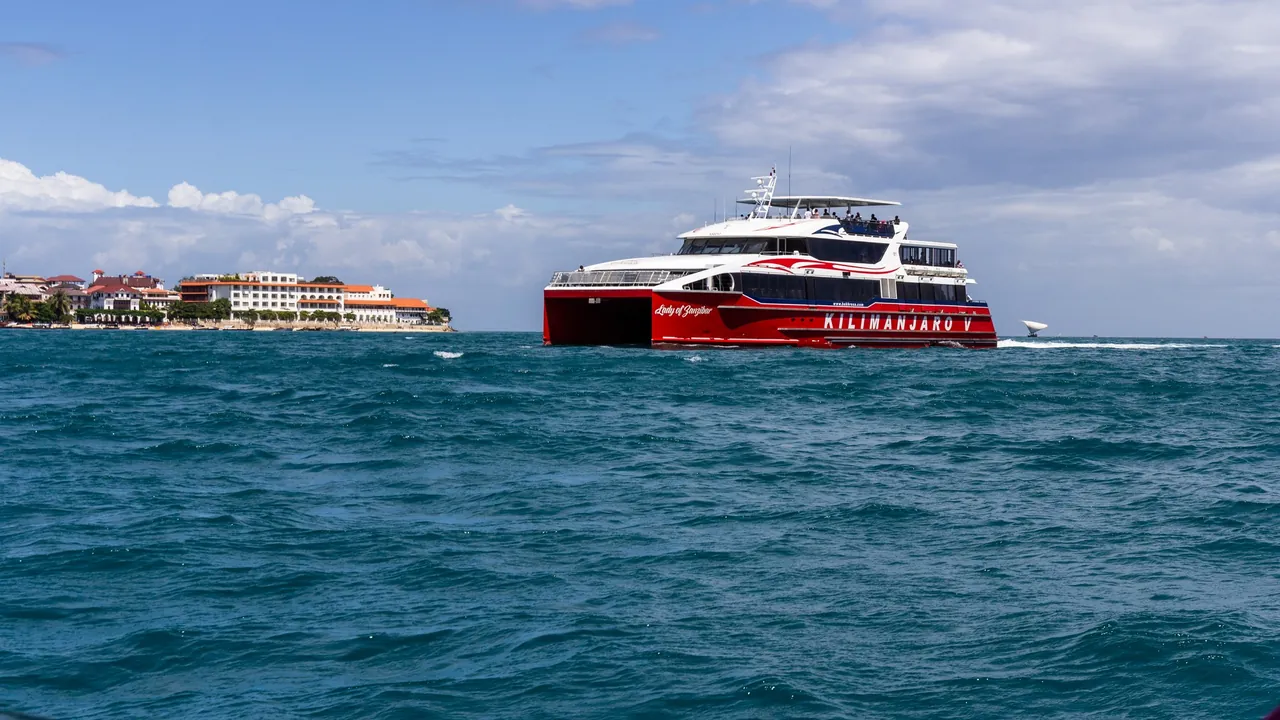
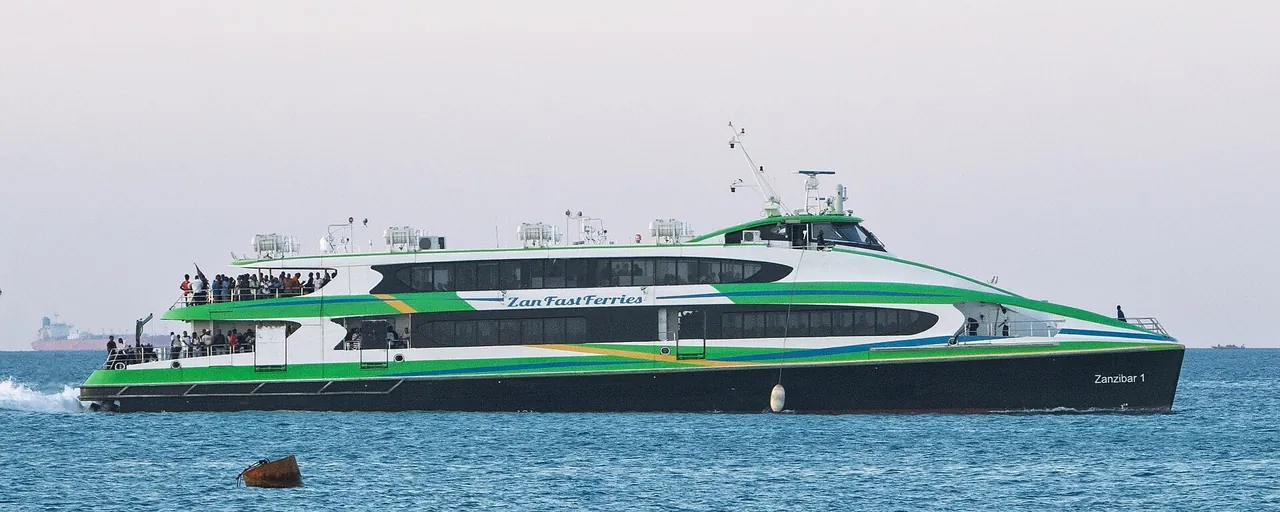
Two companies run fast catamarans between Stone Town and Dar es Salaam. Azam Marine's Kilimanjaro ferries and Zan Fast Ferries each sail about four times a day in each direction, from early morning to late afternoon, and the crossing takes about an hour and a half to an hour and three-quarters. Both also list overnight sailings on some nights, on slower ships that arrive early the next morning.
Azam sells Economy, VIP and Royal seats (and has listed Business); Zan Fast Ferries sells several classes from Silver to VIP. Everyone needs a passport — non-Tanzanians must carry one between Zanzibar and the mainland.
Why use it
The classic way between Zanzibar and the mainland, cheaper than flying and with a view of Stone Town's waterfront as you sail in.
When
The early sailing is usually the calmest, because the wind builds through the day. The crossing is rougher in the kusi season, roughly June to October; take seasickness tablets before you board. Book a day or two ahead in July–September and over Christmas and New Year.
How it works
Book on the operator's own website or app (azammarine.com, zanfastferries.co.tz), by WhatsApp, or at the official ticket office — never from people in the street. Check in at least an hour before departure; Azam won't refund a late arrival. Azam allows 25 kg of luggage per person.
Safety and scams
At both ends, porters in vests take bags as if it were compulsory and then ask for a fee — you don't have to use them. Ignore street ticket sellers, and agree any taxi fare before you get in: quotes outside the terminals are often several times the going rate. Find your life jacket once you're seated.
Worth knowing
- Sources disagree on whether there's an immigration check at Stone Town; carry your passport and visa either way.
- Overnight sailings vary by night and their ships aren't named; check what you're booking.
- Older ships on Zanzibar's routes have sunk with great loss of life — stick to the scheduled operators.
14. Malindi, Stone Town · West coast
The Stone Town ferry terminal
Five minutes' walk from Forodhani — and moving, bit by bit, to a new port at Maruhubi.

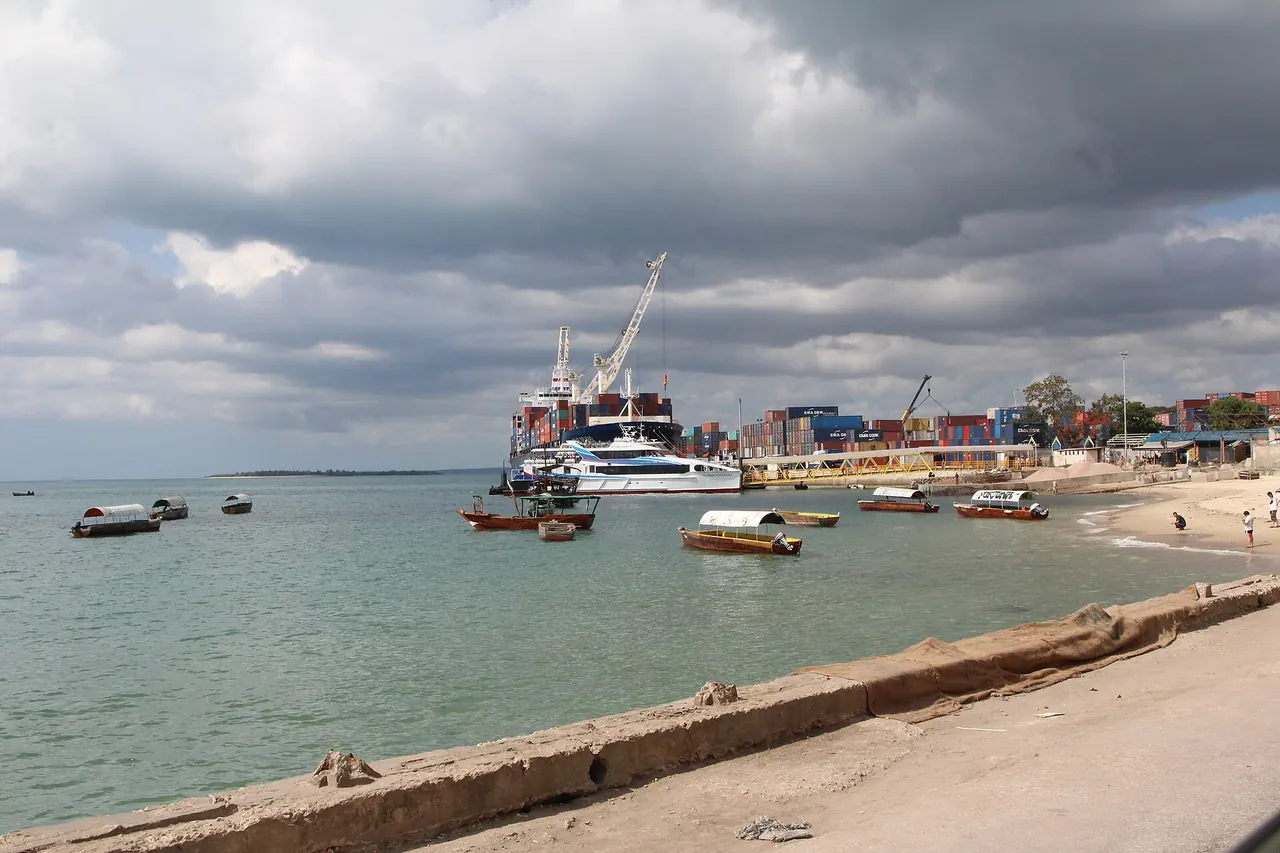
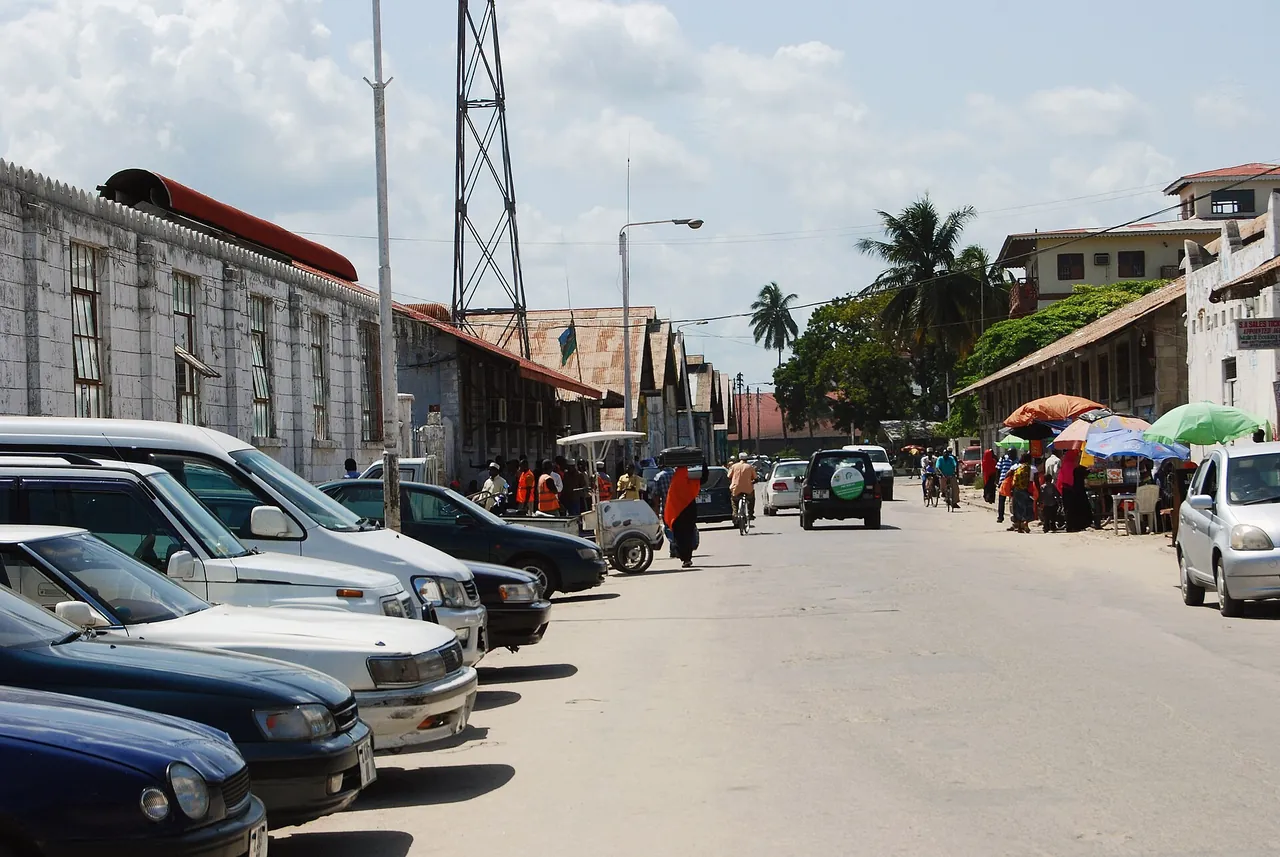
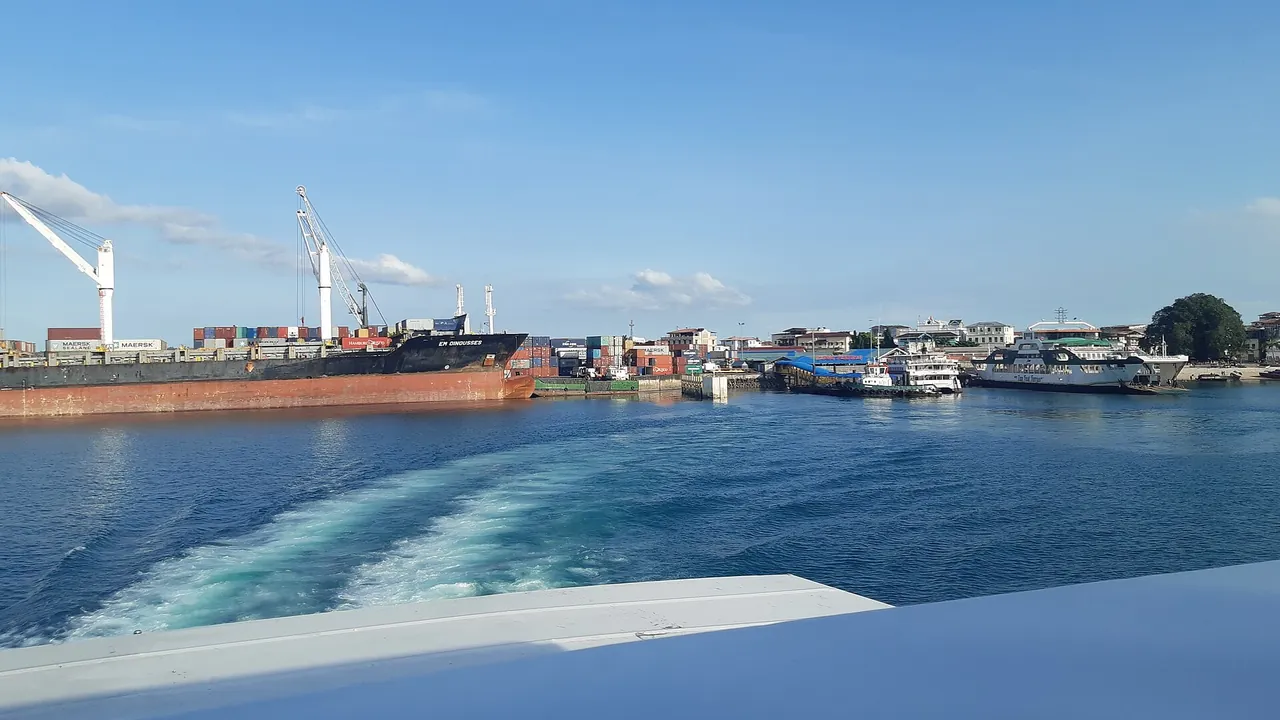
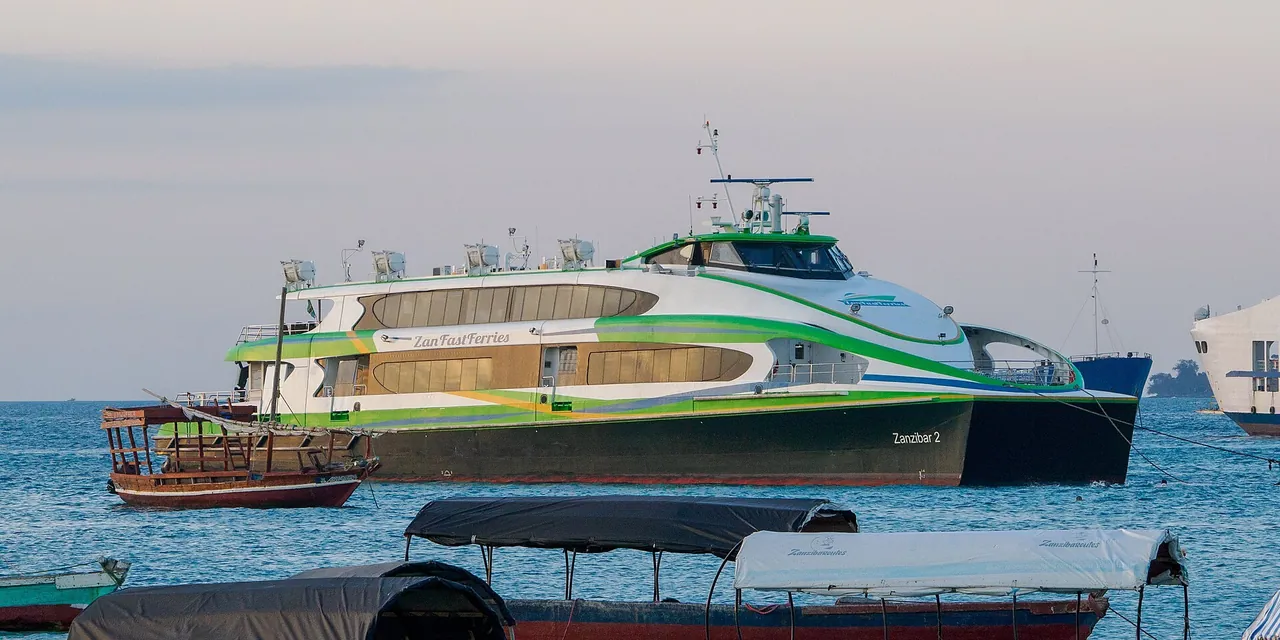
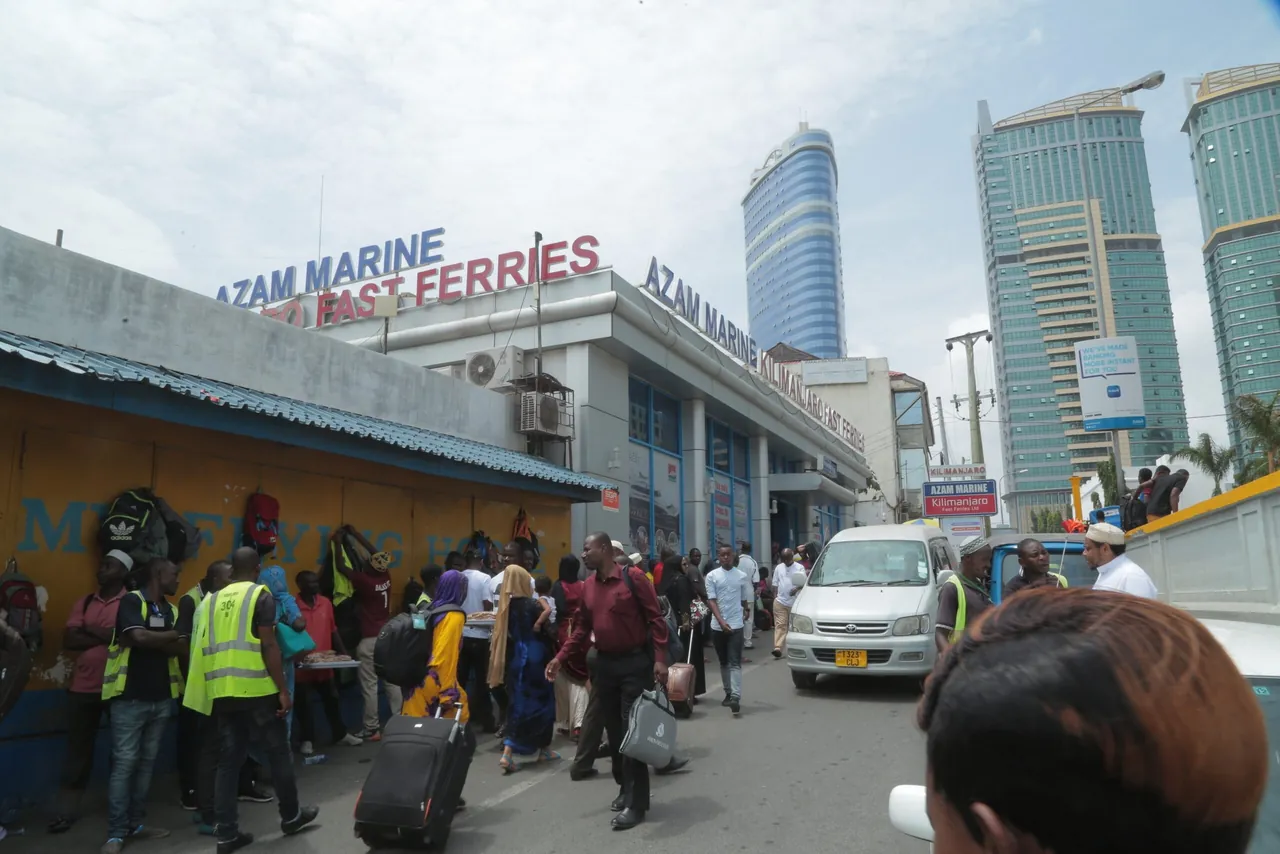
The passenger ferry terminal is on Malindi Road at the northern edge of Stone Town, a few minutes' walk from Forodhani Gardens and the Old Fort. Azam's and Zan Fast Ferries' offices are at the port entrance.
Zanzibar is moving its ferries to a new terminal at Maruhubi, north of Stone Town. Cargo moved there in July 2026 and the vehicle-and-passenger ferries were due to follow; as of September 2026 the fast ferries to Dar were still using Malindi.
Why use it
Where you arrive by sea — and an easy walk to most Stone Town hotels.
When
Arrive an hour before your sailing to check in.
How it works
Walk to Stone Town hotels if your bags allow — the lanes are narrow anyway — or agree a taxi fare at the gate, or book a transfer. For the beaches, see the Zanzibus, taxis and dala dalas in this guide.
Safety and scams
Expect porters, ticket touts and taxi drivers at the gate. Keep hold of your bags unless you want a porter, and don't hand your passport to anyone but an official.
Worth knowing
- If you're on an overnight or vehicle ferry, ask the operator whether it leaves from Malindi or Maruhubi.
- We couldn't confirm which passenger services have moved to Maruhubi, or how to get there.
15. Malindi port, Stone Town · West coast
The ferry to Pemba
Two to three hours to Zanzibar's quieter, greener sister island.
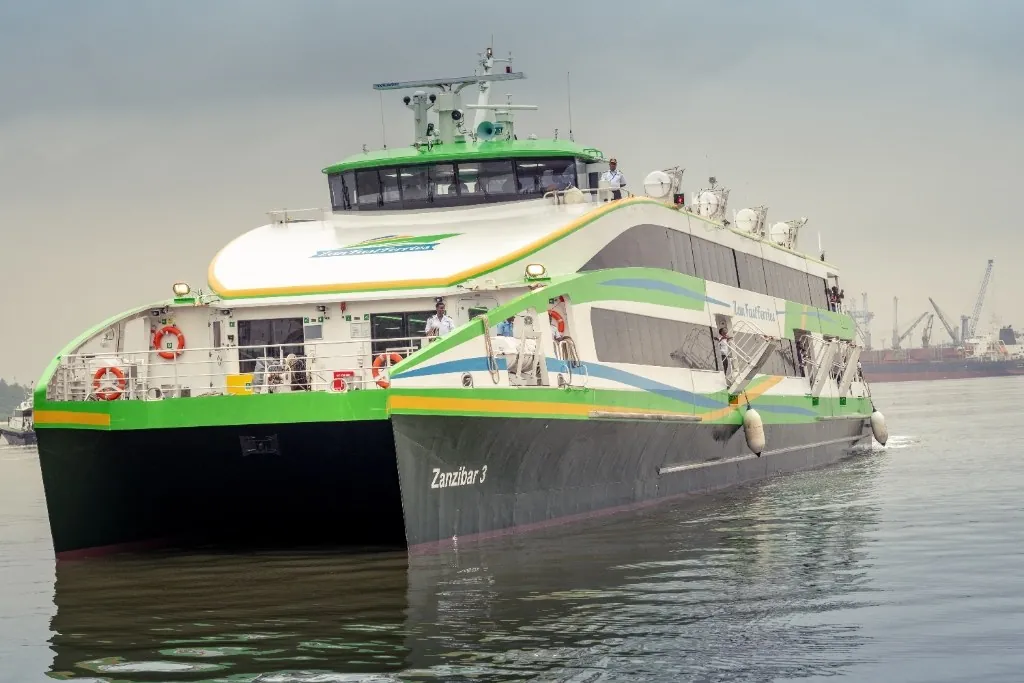
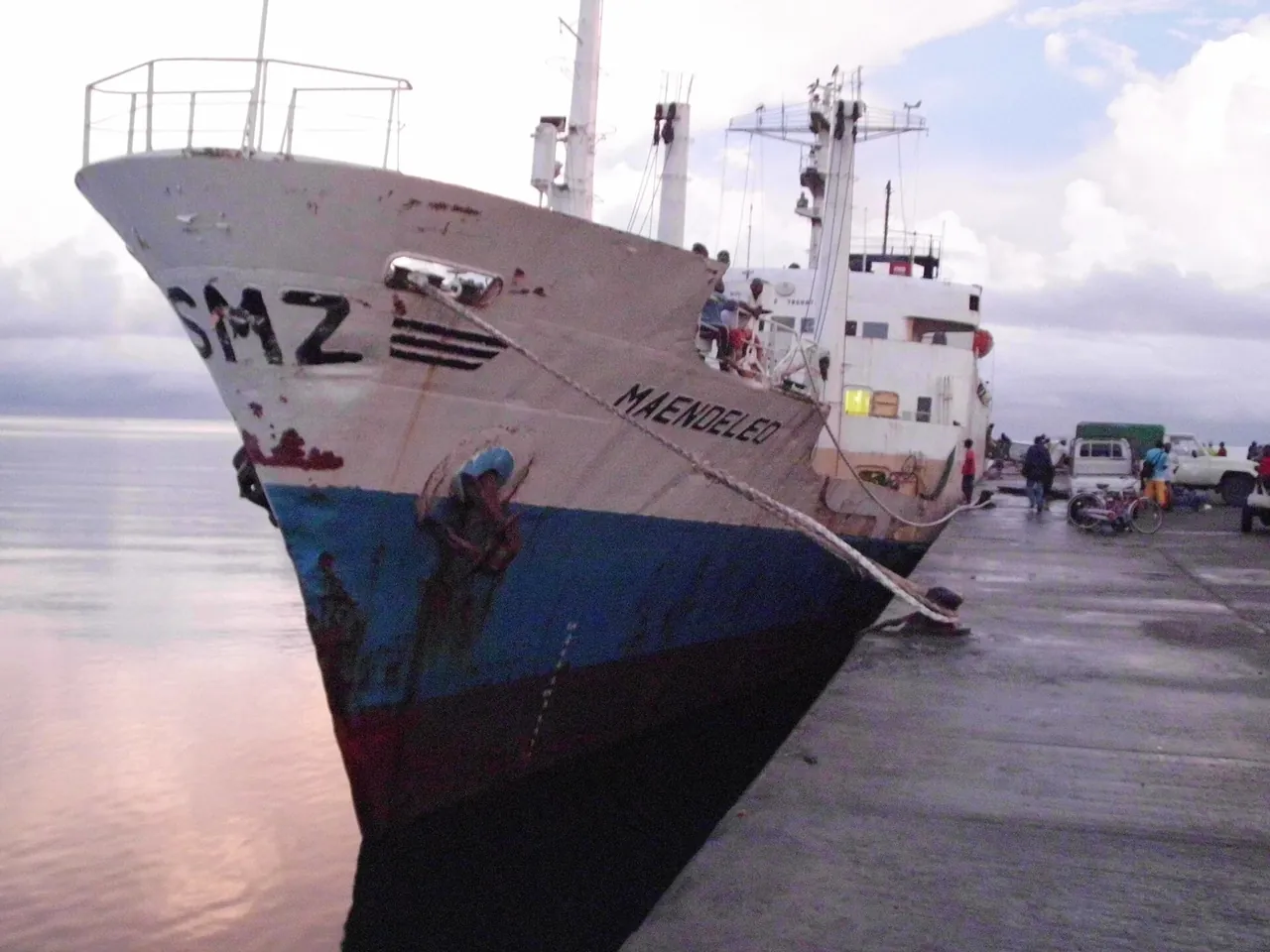
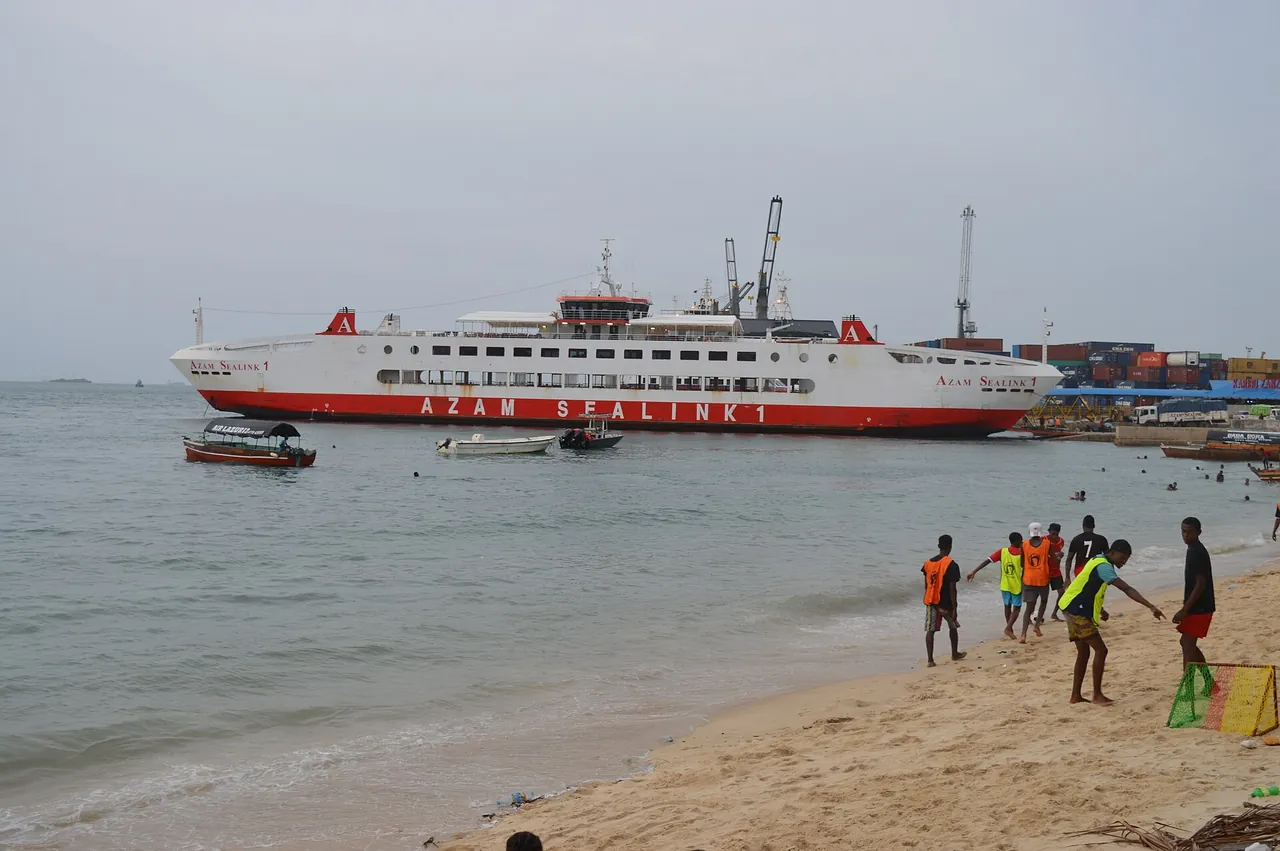
Azam Marine sails to Pemba five or six days a week, once a day: about two and a quarter to three hours on its fast ships, and over six hours on its slower ones. Zan Fast Ferries' Zanzibar 3 sails to Mkoani, at Pemba's southern tip, in about two hours, though not on Fridays. Zan Fast Ferries also runs between Pemba and Tanga on the mainland twice a week.
There's no ferry from Zanzibar to Mafia Island; you fly, via Dar.
Why use it
Pemba's reefs, clove plantations and empty beaches are a world away from Unguja's busy coasts — and the ferry is the cheaper way there.
When
Mornings. This is a longer open-water crossing than to Dar, and the kusi season (roughly June to October) brings more swell. The schedule changes from week to week, so check the days before you plan.
How it works
Book online with Azam Marine or Zan Fast Ferries, or at their offices at the port, and check which Pemba port you'll arrive at. Check in an hour ahead and bring your passport.
Safety and scams
Stick to the scheduled operators and book through their official channels. Take seasickness tablets before you board if the sea is up.
Worth knowing
- Zan Fast Ferries says it sails twice a day; its booking system showed once.
- Government ships also sail to Pemba, but we found no current timetable for them.
16. Stone Town beach, Mbweni & the coast · West coast
Boats to the islands
Wooden boats from the Stone Town beach to Prison Island, and the reserve's own boat to Chumbe.
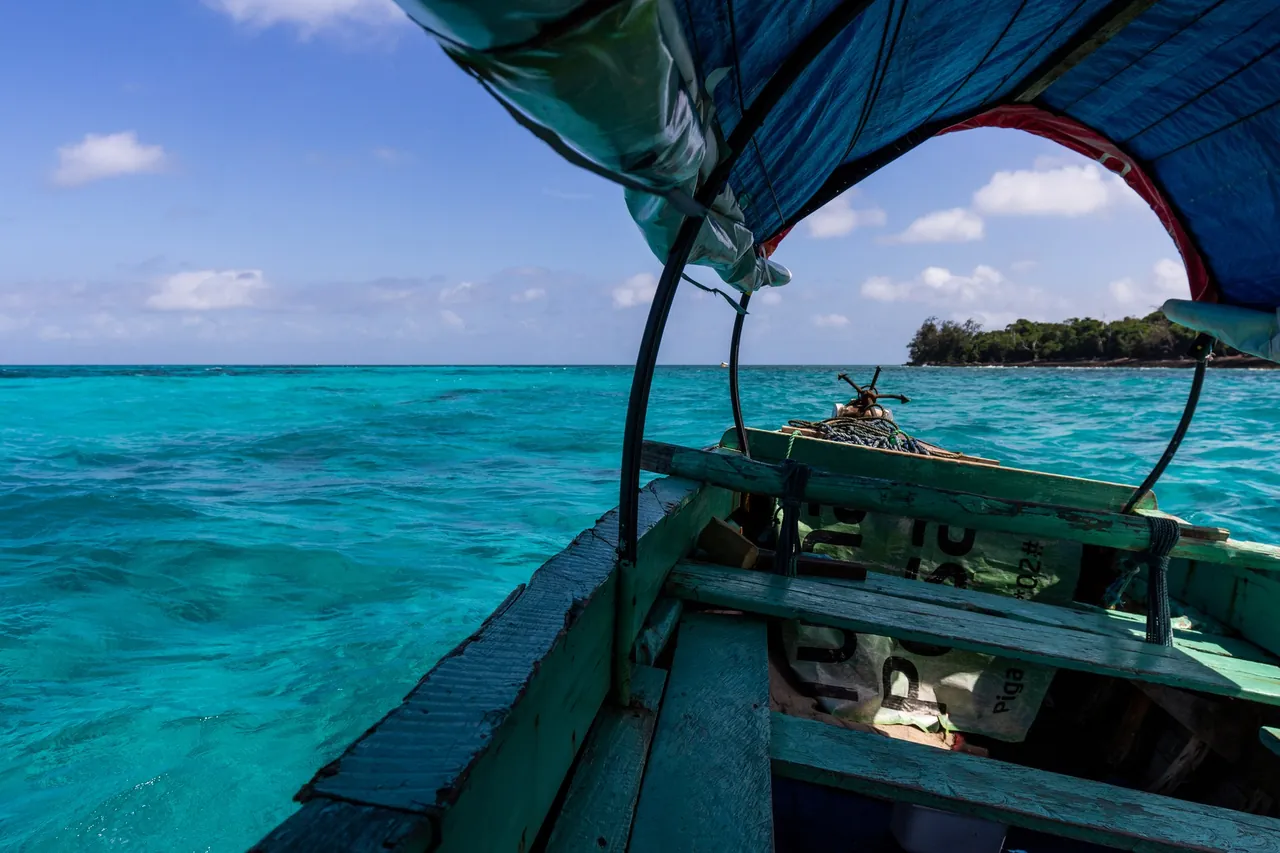

Tap any photo to see all 6.
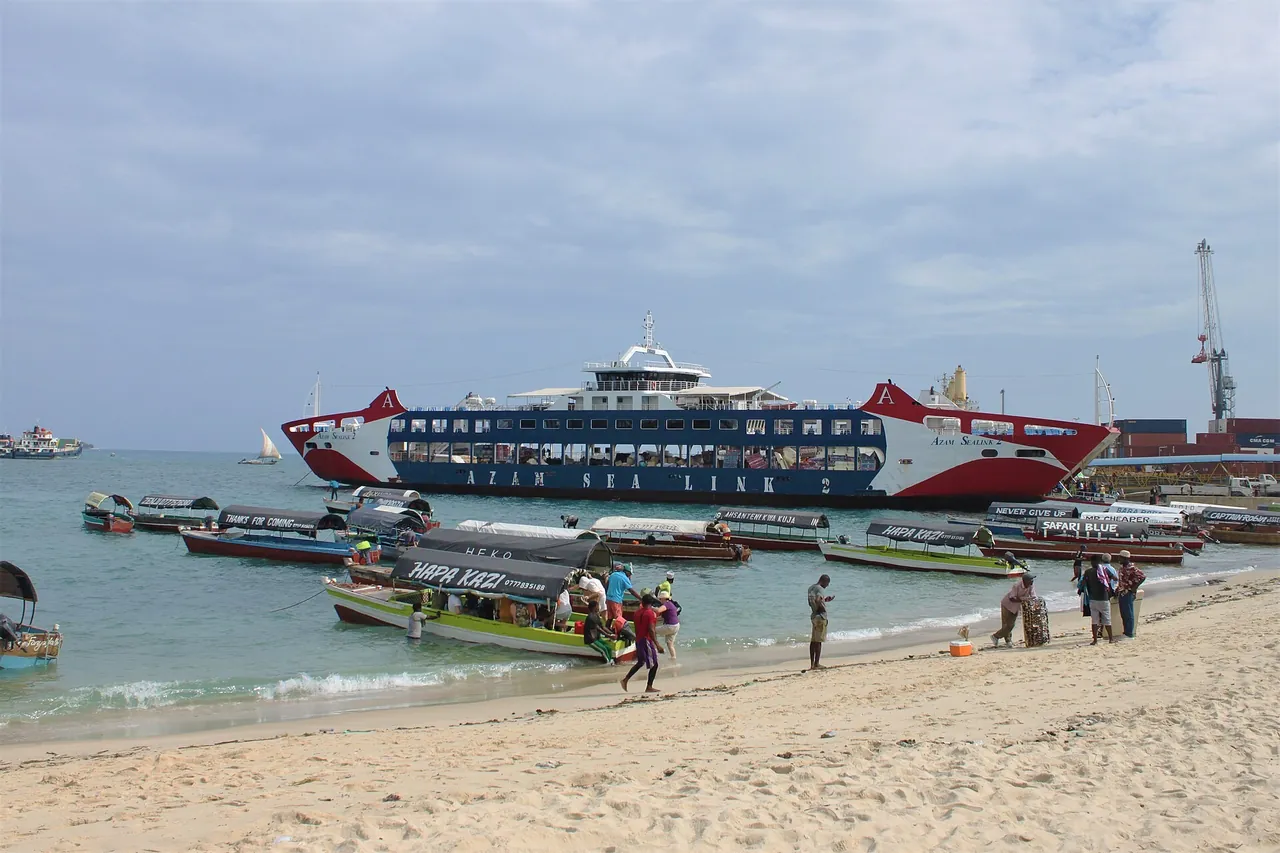
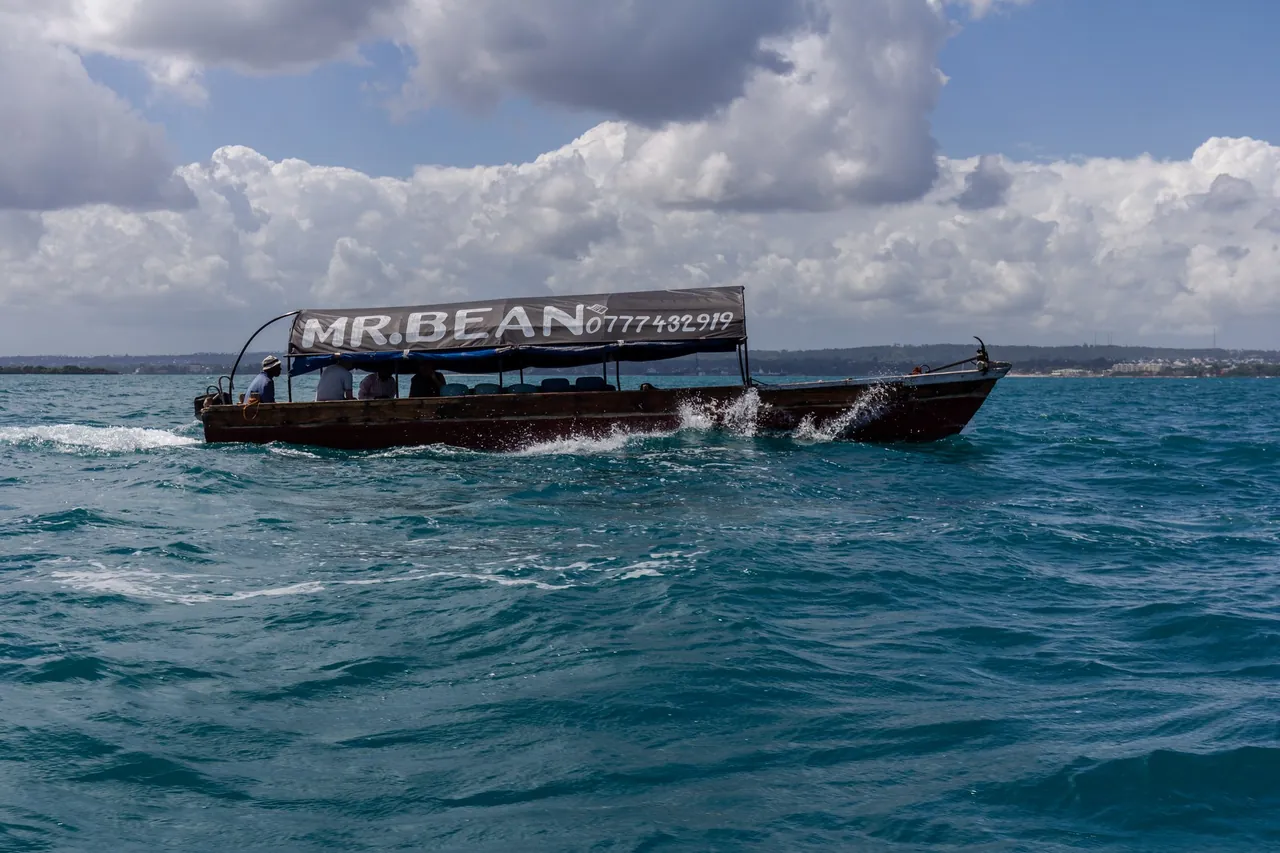
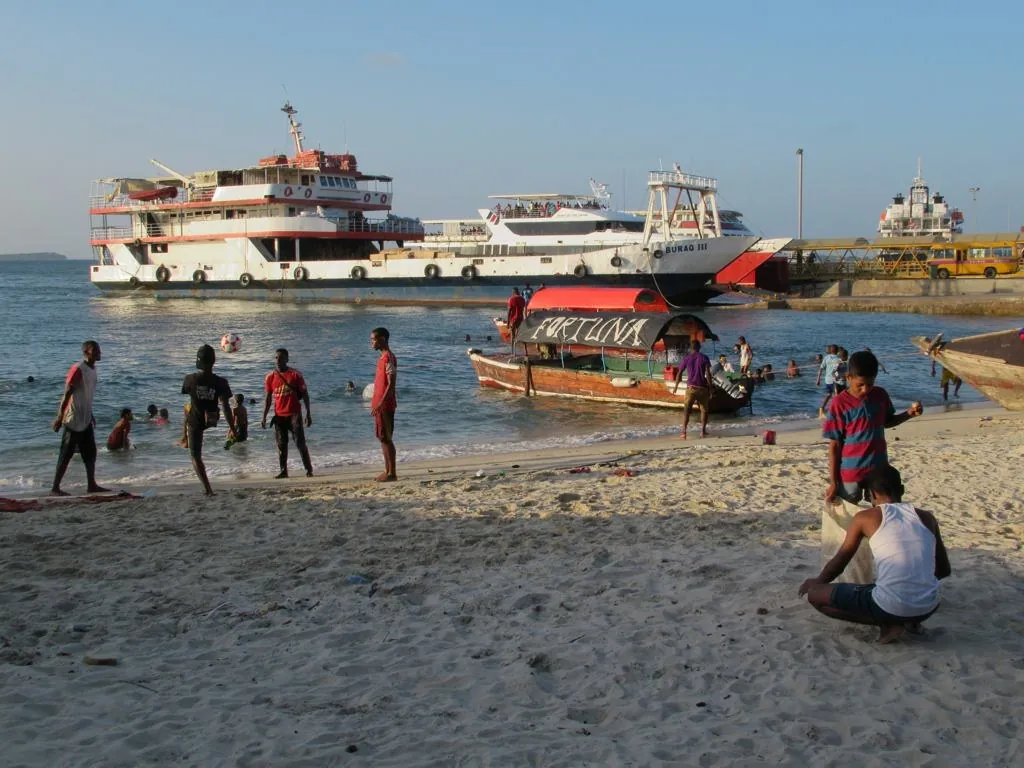
Boats to Changuu (Prison) Island leave from the beach in front of Forodhani and take twenty minutes to half an hour; shared boats go when they're full, usually in the morning, or you can hire one for your group. The Nakupenda sandbank is often added, tide permitting.
Chumbe Island can only be reached on the reserve's own boat, which leaves at 10:00 from Jungle Paradise Resort (the former Mbweni Ruins Hotel), ten minutes south of Stone Town. Mnemba trips leave from Muyuni, Matemwe and Nungwi. There's no scheduled boat between beaches: you can hire a boat from Nungwi to Kendwa, or walk it at low tide.
Why use it
A short hop by wooden boat is half the fun of a day trip from Stone Town.
When
Mornings, before the wind gets up — it's choppier in the kusi months, roughly June to October. Sandbanks and some landings depend on the tide.
Tide: At low tide boats lie off the beach and you wade out — calf-deep, sometimes more. Chumbe provides reef shoes.
How it works
Agree the price, the return time and what's included on the Stone Town beach before you set off, or book through your hotel or a known operator. Book Chumbe directly with the reserve. Keep your phone and passport in a dry bag.
Safety and scams
We found no official rule on life jackets for small tourist boats, and photos show them rarely worn. Check there are life jackets aboard, don't board an overloaded boat, and turn back if the sea looks wrong.
Worth knowing
- Prison Island's entry fee is paid on the island and reports of it differ; take cash.
- Nungwi–Kendwa has no scheduled boat, only private hire.
Taxis and drivers in our directory
Every taxi, driver and transfer service listed in the Mzungu Zanzibar directory — with members' reviews and how to contact them. The list updates as new ones are added; know a good driver? Add them.



Before you go
A.How long it takes
Rough drive times from Stone Town: the airport 15–30 minutes; Fumba 30–40 minutes; Kiwengwa 45 minutes to an hour; Paje about an hour; Jambiani, Michamvi, Kizimkazi, Matemwe and Pwani Mchangani an hour to an hour and a quarter; Nungwi and Kendwa an hour and a quarter to an hour and a half. From the airport, add a few minutes to the north and take a few off to Fumba.
Between the coasts: Nungwi to Kendwa is ten to fifteen minutes; Nungwi to Matemwe about forty; Paje to Jambiani ten; Paje to Michamvi about twenty; and Nungwi or Kendwa to Paje about an hour and a half to an hour and three-quarters. There's no road across Chwaka Bay, so Kiwengwa to Michamvi goes round through the middle of the island.
These are approximate, worked out from road distances and operators' own transfer times. Speed bumps, police checks, the morning rush out of Stone Town, rain and your hotel's distance from the village all add time — and nobody should be on the road outside the towns after dark.
B.Insurance, permits and papers
Every foreign visitor needs Zanzibar's inbound travel insurance, bought online before arrival; since October 2026, if you land on the mainland first you buy Tanzania's scheme instead, and one policy covers both. It is medical and travel cover, not cover for a hire car or scooter.
To drive or ride, you need your home licence and a Zanzibar permit, which rental firms arrange. Check what your own travel insurance requires — many policies want an International Driving Permit, the right motorbike licence for a scooter, and a helmet — before you hire anything or ride pillion.
Carry your passport (or a copy) and your permit when you drive, and your passport for any ferry to the mainland or Pemba.
C.Cash, cards and WhatsApp
Cash still rules on the road: dala dalas, bajaji, taxis, most fuel stations and the Forodhani stalls all want shillings, though drivers and tour firms often quote in dollars. There are ATMs in Stone Town, at the airport and in Paje; there's none in Bwejuu. Mobile money (M-Pesa, Mixx by Yas, Airtel Money) is everywhere but needs a registered local SIM.
WhatsApp is how almost everything is booked: drivers, rental firms, the Zanzibus, boat trips. Save numbers before you need them, and drop a pin rather than giving an address — there are hardly any street addresses, and businesses give landmarks or map codes instead.
Download an offline map before you set off; the signal drops in parts of the south-east, and map apps can send you down a sand track.
D.Rain, wind and Ramadan
The long rains, from about mid-March to May, flood low roads and turn dirt tracks to mud; some sandy east-coast stretches then need a 4×4. The short rains in November are usually brief afternoon showers. The kusi wind, roughly June to October, makes the ferry crossings rougher — take the early boat.
During Ramadan (expected to begin around 8 February 2027, depending on the moon), dala dalas thin out after sunset, roadside cafés outside hotels close in daylight, and eating, drinking and smoking in public during the day is restricted. Drivers can be in a hurry before sunset.
E.Safety and respect on the road
Don't drive, ride or walk alone outside the towns after dark: there are no street lights, and people, animals and unlit vehicles share the road. The UK government advises against walking alone at night, and warns about bag-snatching from motorbikes — carry bags away from the road.
Slow right down through villages, where children and speed bumps appear without warning. Cover shoulders and knees when you leave the beach, whether you're walking, cycling or riding through; swimwear is for the beach and the hotel. Ask before photographing people.
Putting it together
A few common journeys, and the easiest ways to make them.
From the plane to the beach
Landing in Zanzibar and heading straight for the coast.
Before you fly
Arriving at Zanzibar airportBuy the inbound insurance and book your ride.
Morning arrivals
The Zanzibus shuttle and taxisThe 10:00 shuttle to Paje or Nungwi, from Safari Café.
Any other time
Taxis and private driversA pre-booked driver meets you with a sign.
A day in Stone Town from the east coast
In by bus, around on foot, out to an island, home before dark.
Morning
Dala dalasInto Darajani with the commuters — or book a driver.
Late morning
On footLose yourself in the lanes, then find the sea.
Afternoon
Boats to the islandsPrison Island and back, before the wind gets up.
After Forodhani
Taxis and private driversA driver back to the coast — not a long drive in the dark yourself.
The south-east on two wheels
Paje, Jambiani and the beach road.
Early morning
BicyclesPaje to Jambiani before the heat.
Low tide
On footBack along the sand as the sea goes out.
Or instead
Scooter and motorbike hireFurther, to Michamvi — if you're an experienced rider.
On to the mainland
Leaving for Dar es Salaam or a safari.
An hour before sailing
The Stone Town ferry terminalCheck in at Malindi with your passport.
Early morning
The fast ferry to Dar es SalaamThe first fast ferry is usually the calmest.
Or fly
Flights to the mainland, the parks and PembaTwenty minutes to Dar, or straight to a safari strip.
How this guide is made
This guide is written by the Mzungu Zanzibar editors. No operator paid to be included. Routes, timetables, rules and contact details were checked against operators' own sites and booking systems, Zanzibar and Tanzanian government notices, the UK government's travel advice and recent news reporting on the date shown; anything we could not confirm is listed with that entry. Operators' claims are reported as theirs. Fares are never given because they change. The descriptions are not first-hand accounts.
This guide has 78 photographs. They come from Wikimedia Commons and Flickr photographers, from the Zanzibar Airports Authority, and from operators' own websites, each credited beneath the picture and linked to where it came from. Pictures we couldn't tie to the exact service — a scooter that may or may not be a boda boda, say — are marked UNVERIFIED. If one is yours and you'd like it removed or credited differently, we'll gladly do it — contact us. 19 captions begin “UNVERIFIED”: the photo is relevant, but we couldn't confirm it shows the exact spot.